Pelvic Floor

Hip Pain During Pregnancy

Hip Pain During Pregnancy: Stay Active, Up, and Running

Hip pain during pregnancy can feel especially unfair when you love to move. You finally find your groove with running, lifting, hiking, or climbing, and suddenly every step or stride makes your hip grab or ache.

You still want to feel like an athlete, not just a passenger in your changing body. You want clarity on what is safe, what needs to change, and how to protect your body now so you can return stronger postpartum.

Hip Pain During Pregnancy: Stay Active, Up, and Running Read More »

what is pelvic floor therapy

What is Pelvic Floor Therapy?

What is pelvic floor therapy? If you’ve ever felt like something “just isn’t right” in your core — whether it’s pain, pressure, or bladder changes — you’re not alone.
Pelvic floor therapy helps you understand and strengthen the muscles that support your bladder, bowel, and reproductive organs. It’s not just for new moms or athletes; it’s for anyone whose daily life is affected by discomfort or weakness in this area.
You learn how to move, breathe, and use your muscles in ways that make your body feel supported again. Most people are surprised by how much this therapy improves their confidence, posture, and even intimacy.
Here’s what we focus on together:
Reconnecting you to muscles that have been ignored or overworked
Teaching gentle exercises that restore coordination and strength
Reducing pain and improving control so you can return to normal activities
This isn’t a quick fix — it’s a process that helps your body relearn balance and strength from the inside out. And it starts with you simply noticing that something feels off and deciding it’s time to feel whole again.

What is Pelvic Floor Therapy? Read More »

pelvic floor stretches

Pelvic Floor Stretches That Work (Skip the Kegels)

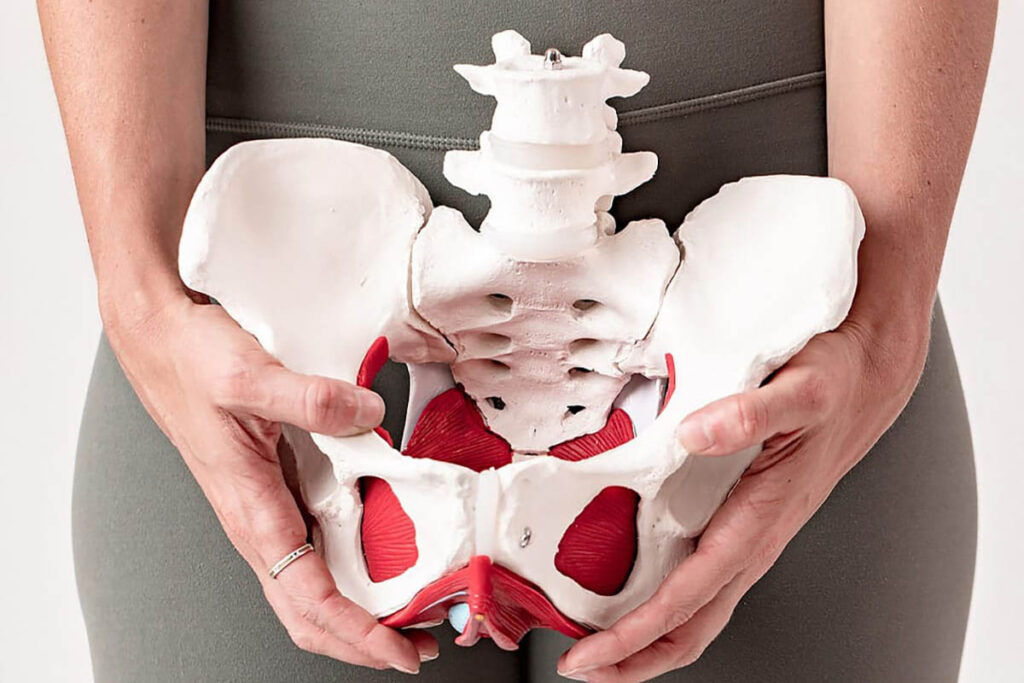
If you’ve been told to “just do Kegels” to fix your pelvic floor, you’re not alone. But what most people don’t realize is that too many Kegels can actually make things worse. For many active adults, especially runners and lifters, the real solution starts with learning how to release tension through pelvic floor stretches that help your muscles move and relax the way they should.
Your pelvic floor works like any other muscle group—it needs strength, but it also needs flexibility and recovery. When those muscles stay tight, you may notice pain in your hips, lower back, or even while running or sitting.
That’s your body telling you it’s time to stretch, not squeeze.
In this blog, we’ll walk through simple, science-backed stretches that help restore balance and coordination to your pelvic floor, so you can move freely, breathe easier, and get back to feeling strong again.

Pelvic Floor Stretches That Work (Skip the Kegels) Read More »

maternal question

What Should I Know About A Vaginal Delivery After Cesarean Section?

What should I know about a Vaginal Delivery After Cesarean Section? Are you a mama that had a cesarean section but is now looking into having a vaginal delivery with your next baby? You’re not alone! Vaginal Delivery after Cesarean, aka “VBACs” are becoming increasingly common compared to yesteryears. Keep reading to find out if

What Should I Know About A Vaginal Delivery After Cesarean Section? Read More »

a woman doing a yoga pose with the words four tips for how to take care.

4 Tips For How To Take Care of “Down There”

Getting to know your own anatomy and feeling comfortable discussing what is normal and not normal is an important part of addressing pelvic floor dysfunction. This may come more or less easily to different individuals for a variety of reasons, including but not limited to, your upbringing, your community and religion, and your social circle.

4 Tips For How To Take Care of “Down There” Read More »

a woman is doing a yoga pose on a mat.

Mythbusters! Pelvic Floor Edition – Part 1

MythBusters! Pelvic Floor Edition- Part 1 Have you recently been scrolling on social media while “sittervising” your kids at Twin Silos or Spring Creek Canyon Park and been introduced to the very opinionated world of online pelvic floor physical therapy? You may have seen bold statements like “never do kegals!” or “stop doing this if

Mythbusters! Pelvic Floor Edition – Part 1 Read More »

hy Did I Start Leaking at 50!?

Why Did I Start Leaking at 50!? Overcoming Leaking!

As a healthcare professional, I recently had a patient named Anna* who came to me for a pelvic floor evaluation. Anna is a 50-year-old woman who has two grown adult children and recently retired. She loves to hike and run and was enjoying her newfound freedom until she began experiencing bothersome pelvic floor symptoms that

Why Did I Start Leaking at 50!? Overcoming Leaking! Read More »

Do you have a “tight” pelvic floor? Get those muscles to relax!

Do you have a “tight” pelvic floor? Get those muscles to relax!

Do you have a “tight” pelvic floor? So, you’ve been doing research on the internet and have diagnosed yourself with an “overactive” or “hypertonic” or “tight pelvic floor” – now what? How do you get those muscles to chill out and relax? As we inhale, our diaphragm (breathing muscle) moves downward to enlarge our chest

Do you have a “tight” pelvic floor? Get those muscles to relax! Read More »

Know Your Pelvic Floor – Return to Running Part 3

Know Your Pelvic Floor – Return to Running Part 3

 Are you a new mom that’s recently postpartum and looking to get back into running? Well first of all, go back and check out my first video and try those four strength training exercises to increase your lower extremity strength and stability. If you’ve done that and you’re feeling strong, you aren’t having any

Know Your Pelvic Floor – Return to Running Part 3 Read More »

Prevent Leaking While You Sneeze With This One Easy Trick

Prevent Leaking While You Sneeze With This One Easy Trick

Prevent leaking while you sneeze with this easy trick! The “Knack” is a Knack! Knack /nak/ noun: an acquired or natural skill at performing a task Do you leak when sneezing, coughing, or laughing? When we sneeze, laugh and cough there is increased pressure placed down on the pelvic floor from above which can lead

Prevent Leaking While You Sneeze With This One Easy Trick Read More »