Return to Running After Injury: A Physical Therapist’s Guide to Doing It Right
Learn how to get rid of shin splints with a runner focused plan to calm shin pain, rebuild your legs, and get back to training pain free.

Learn how to get rid of shin splints with a runner focused plan to calm shin pain, rebuild your legs, and get back to training pain free.

Why running causes lower back pain and how to fix it with better form, core and hip strength, and smart load management. A Fort Collins physical therapist’s guide.
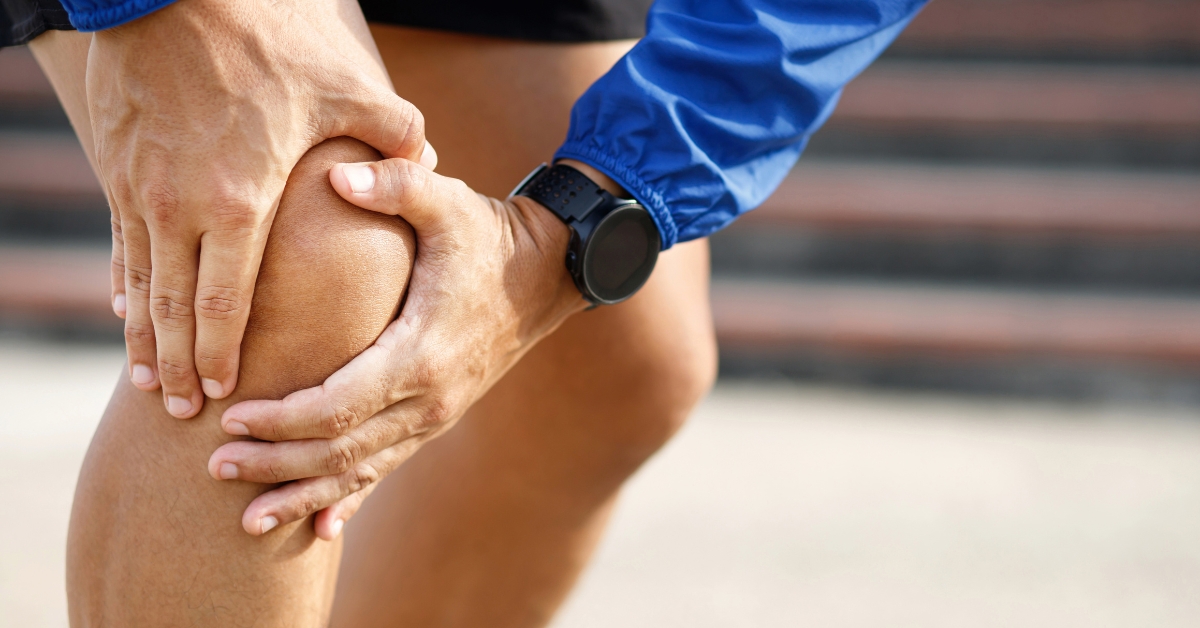
If you’re dealing with a torn meniscus, you’re probably frustrated, in pain, and wondering if surgery is your only option. The good news? It’s often not. Many times, it’s possible to learn how to heal a torn meniscus naturally.
You can support your body’s natural healing process with a few intentional choices and a little patience. It starts with understanding how your meniscus works and what it needs to recover.
This kind of tear doesn’t heal overnight, but if you give your knee the right environment to heal, you can often avoid the knife.
Whether you’re headed for the Coyote Ridge Trail or the Horsetooth Rock Trail Loop, our goal is to get you up and running again! So let’s look at practical, natural ways to ease the pain, reduce inflammation, and get you moving again, without rushing into surgery.

Are you curious about the mental health benefits of running? Running can improve mental health by reducing stress, easing symptoms of anxiety and depression, boosting

If you’ve been told to “just do Kegels” to fix your pelvic floor, you’re not alone. But what most people don’t realize is that too many Kegels can actually make things worse. For many active adults, especially runners and lifters, the real solution starts with learning how to release tension through pelvic floor stretches that help your muscles move and relax the way they should.
Your pelvic floor works like any other muscle group—it needs strength, but it also needs flexibility and recovery. When those muscles stay tight, you may notice pain in your hips, lower back, or even while running or sitting.
That’s your body telling you it’s time to stretch, not squeeze.
In this blog, we’ll walk through simple, science-backed stretches that help restore balance and coordination to your pelvic floor, so you can move freely, breathe easier, and get back to feeling strong again.
Learn how long runner’s knee take to heal, what affects recovery time, and how to return to running and training without constant flare ups.
Achilles pain when running can turn a great training week into a frustrating mess almost overnight. One day, your legs feel strong, and the next,
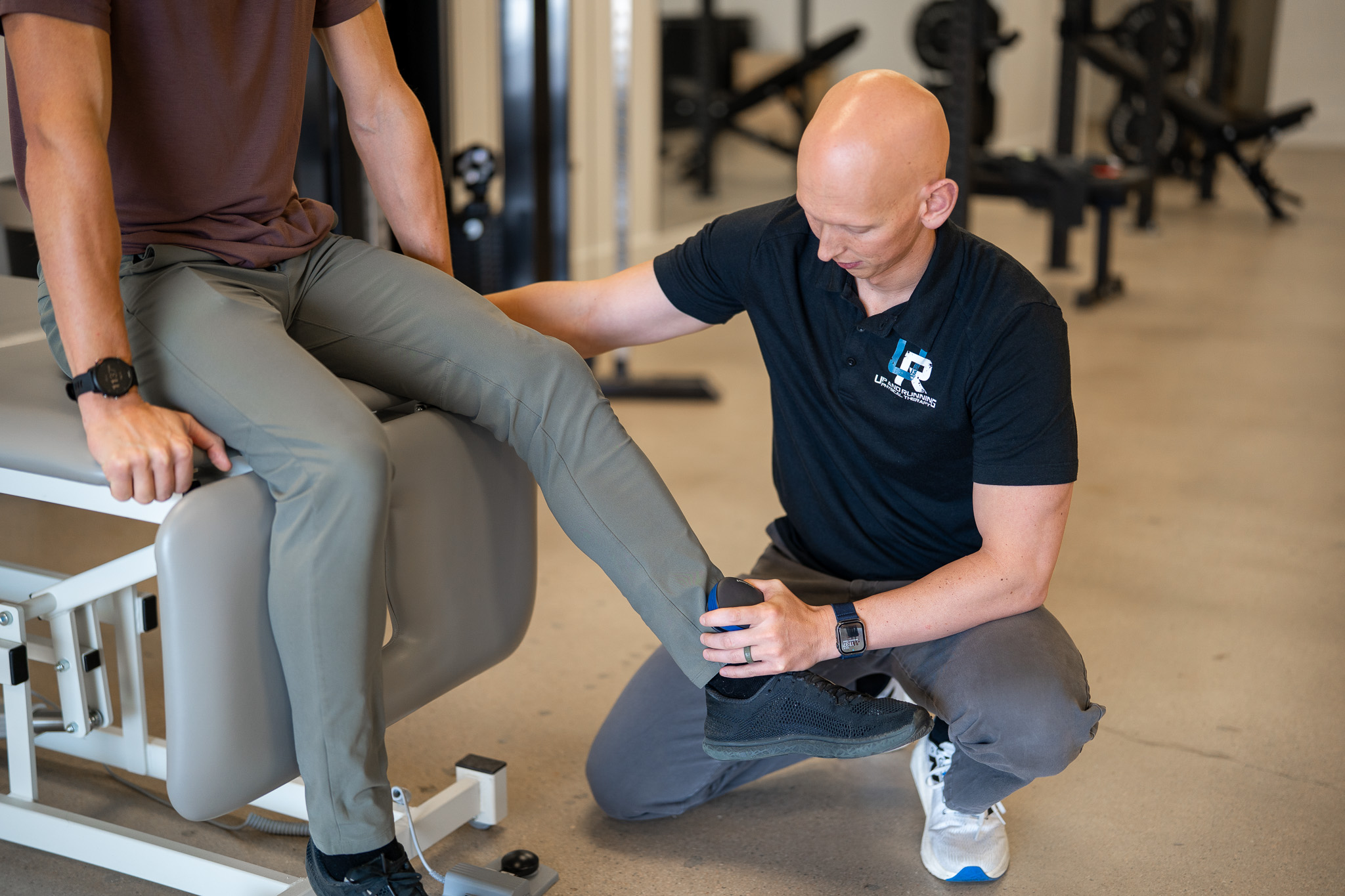
With the right exercises, you can rebuild strength, control, and confidence so your knee handles the miles, workouts, and weekend adventures you care about. In this guide, we walk through what runner’s knee actually is, why it shows up, and the specific rehab progressions that help you move and train without fear of every step.

You push your limits. You chase that next PR on the Poudre Trail, climb higher at Horsetooth Rock, or power through another CrossFit session — until your body finally tells you to stop. That’s when most runners turn to rest or quick fixes that never last.
At our sports injury clinic in Fort Collins, we take a different approach.
We know you’re not looking for someone to just “treat” you. You want to understand what’s really going on, fix it, and get back to training stronger than before. And at Up and Running Physical Therapy, we help you uncover the movement patterns, strength gaps, and recovery habits holding you back.
You don’t have to rely on painkillers, injections, or months of rest. Instead, we rebuild your movement from the ground up using movement and gait analysis and strength training designed specifically for runners. The result? You move better, recover faster, and feel unstoppable.
If you’re ready to train smarter, recover stronger, and keep running without the setbacks, our sports injury clinic is where your comeback begins.
When you ask yourself how many miles a week should I run, it’s easy to feel pulled in two directions. On one hand, you want to log enough miles to build endurance and see progress.
On the other, you worry about pushing too hard and risking injury.
The truth is, the answer isn’t one-size-fits-all. Your weekly mileage depends on your fitness level, training goals, and how well your body recovers between runs.
To figure out the right number for you, it helps to look at:
• Your current running base and experience
• The type of race or event you’re training for
• The time you realistically have each week
• How your body feels during and after runs
When you match your mileage to your goals and recovery, you can stay consistent, avoid setbacks, and keep running strong.

You lace up ready for a great run, but halfway through, that familiar ache in your hip starts creeping in. By the time you’re done, it’s more than just a dull throb—it’s messing with your stride, your training, and your motivation. You’re left asking, “Why does my hip hurt after running?”
Hip pain after running isn’t always just “overuse” or “getting older.”
It can come from muscle imbalances, poor running mechanics, or even how your body recovers between workouts.
Sometimes it’s about flexibility. Other times, it’s your strength in key stabilizing muscles.
When you understand what’s really causing the problem, you can fix it for good instead of just pushing through or taking endless rest days. That’s how you get back to running without constantly worrying about your hip acting up again.
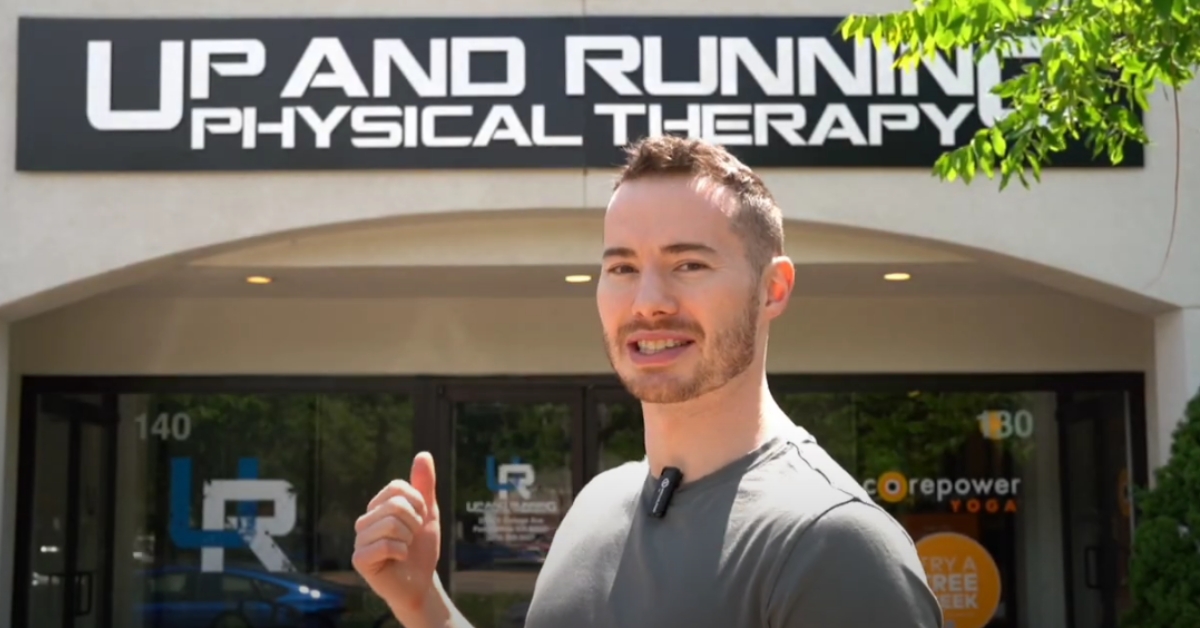
AJ Cohen’s drive toward running physical therapy began with his own struggles as an injured athlete.
His graduate school experience at a high-volume clinic, seeing multiple patients every hour, left him exhausted, and he even injured himself.
Though he pivoted into oncology and later worked in nursing homes, his passion for helping active adults and trail runners never faded.
Fueled by vision and frustration, he made the bold choice to start his own clinic tailored to what he believed physical therapy could be.

You try to exercise and there it is again—sharp, stubborn knee pain when squatting. Whether you’re lifting in the gym or getting low to pick something up, the pain keeps showing up like an uninvited guest.
It’s frustrating. You stretch, warm up, adjust your form, maybe even rest for a few days… and still, that pain flares right back up. If you’ve been told it’s just something to push through or chalked it up to aging, you’re not alone.
But here’s the truth:
Knee pain when squatting is common, but it isn’t normal. And it doesn’t mean you have to give up your workouts or settle for temporary relief.
At Up and Running Physical Therapy in Fort Collins, we help active adults and athletes fix this exact issue—without pills, surgery, or being told to stop doing what they love.
In this post, you’ll learn:
• Why your knee pain keeps coming back
• The most overlooked reasons squatting hurts
• How our 3-Step Method relieves pain and builds strength
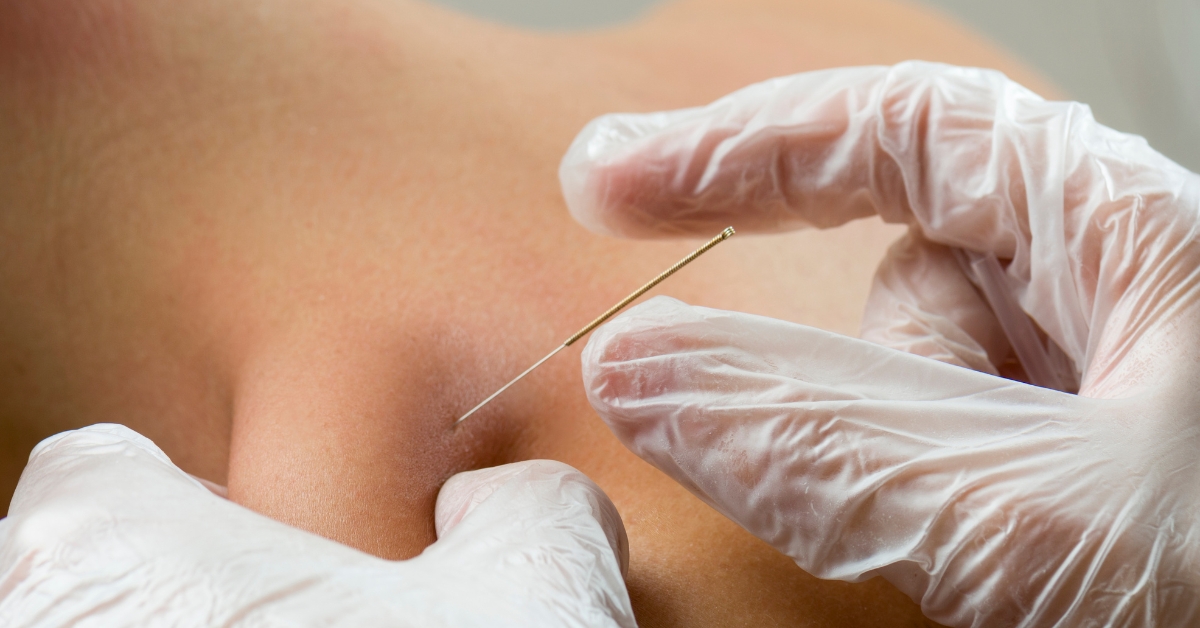
If you’ve ever dealt with muscle pain that won’t go away, dry needling might be the solution you haven’t considered. This technique uses thin needles to target trigger points—tight knots in your muscles that cause discomfort and limit movement.
Unlike acupuncture, which follows traditional Chinese medicine principles, dry needling is based on modern science. It helps by:
Releasing muscle tension
Reducing pain and inflammation
Improving blood flow and mobility
Many people feel relief after just one session. If you’re struggling with stubborn pain, dry needling could be the key to getting back to feeling your best.
Running in Fort Collins means enjoying scenic trails, high-altitude training benefits, and a strong running community. But if you’re struggling to improve your speed or endurance, it might be time to fine-tune your approach. Small adjustments to your form, strength, and conditioning can make a big difference.
At higher elevations, your muscles work harder to get the oxygen they need. Without the right training, you may feel fatigued faster or struggle to maintain your pace. The most common obstacles runners face include:
– Inefficient running form that drains energy
– Muscle imbalances that slow down your stride
– Poor breathing control that leads to early fatigue
– A lack of endurance training that limits your progress
The good news is that with the right strategies, you can train smarter, run faster, and go farther. Whether you’re preparing for a local race or just want to enjoy longer runs in the Colorado foothills, targeted physical therapy can help you reach your goals.

You know how frustrating it feels to have your training sidelined by pain. That sharp ache around your kneecap can make even walking uncomfortable, let alone running your favorite Fort Collins trails.
The good news is, runner’s knee recovery doesn’t have to be a guessing game. With the right approach, you can ease the pain, rebuild strength, and get back to running stronger than ever.
Let’s explore practical tips to help you recover faster and prevent runner’s knee from holding you back again.
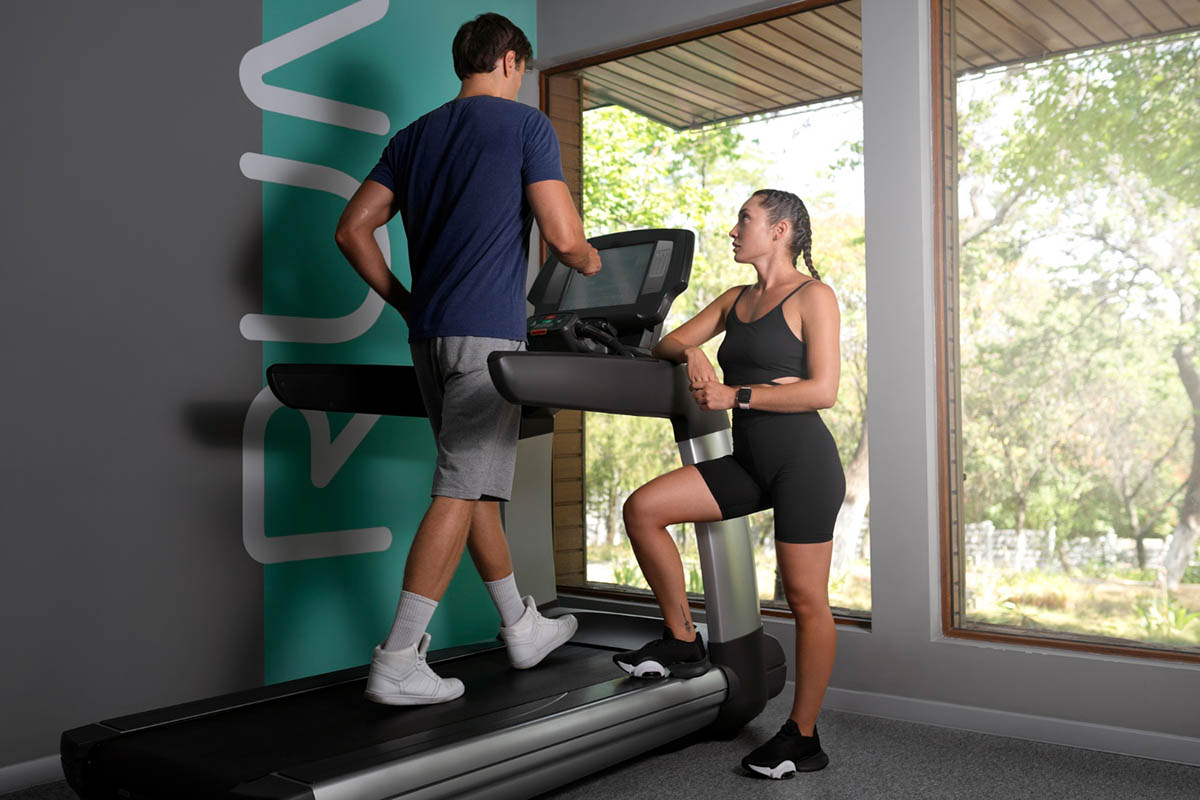
Running is a beloved activity for millions, but incorrect physical therapy running mechanics can lead to inefficiencies and injuries that hinder performance and enjoyment. Whether
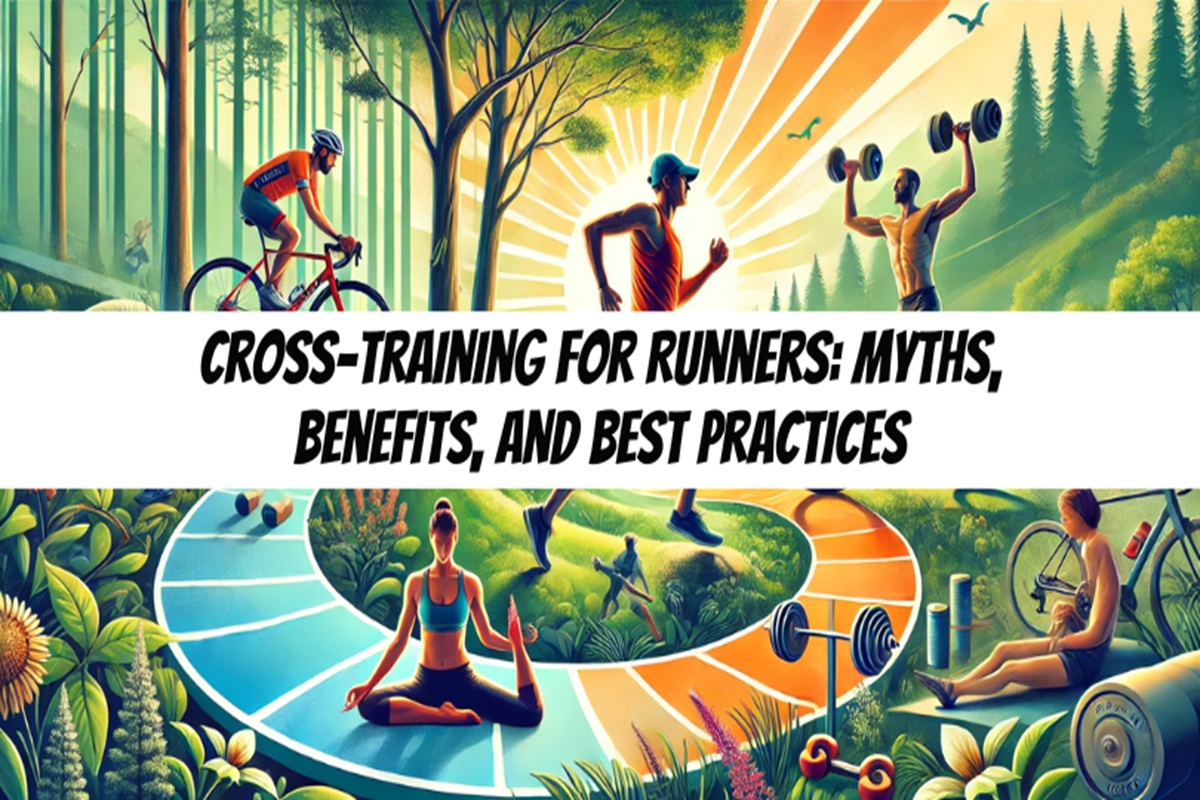
Are you a runner wondering if cross-training can take your performance to the next level or keep injuries at bay? The buzz around cross-training often
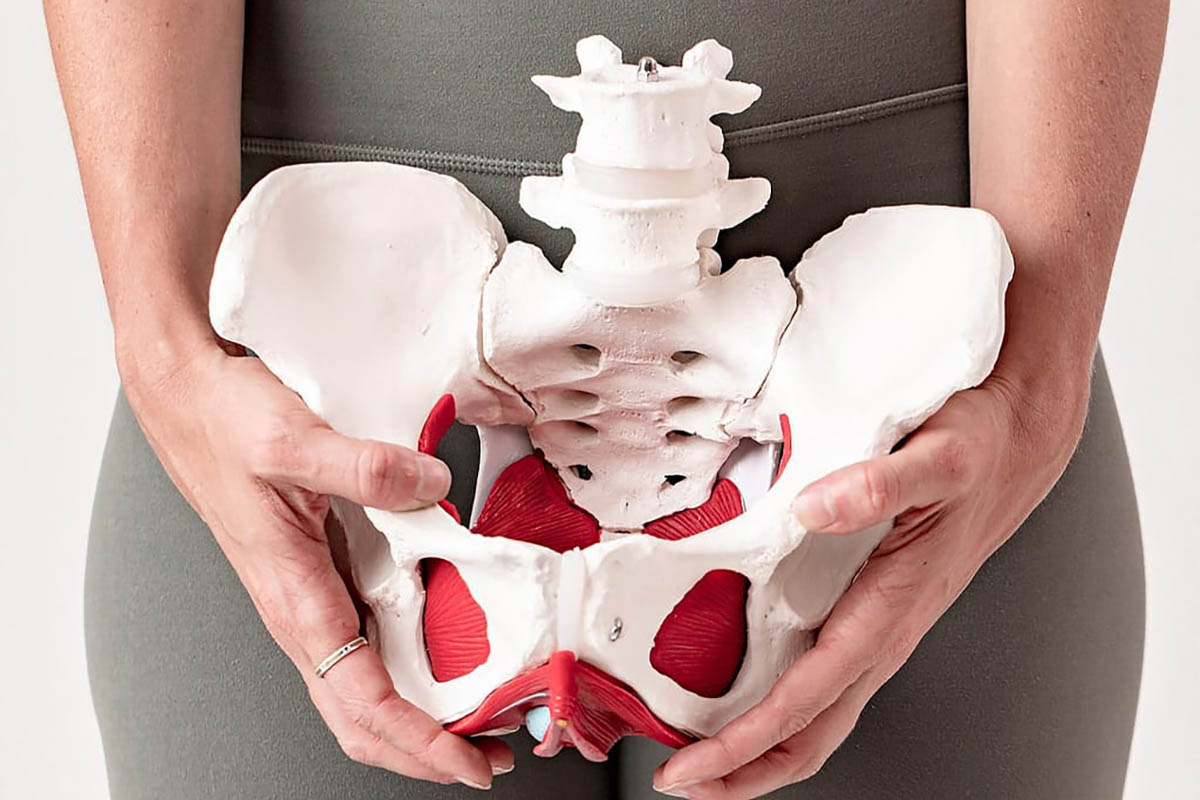
Pelvic floor physiotherapy, also known as pelvic health physiotherapy, is a specialized therapeutic approach focused on strengthening and improving the function of the pelvic floor
Introduction As a physical therapist and a passionate runner, I’ve seen the battle scars worn by countless runners battling injuries. We push our bodies to
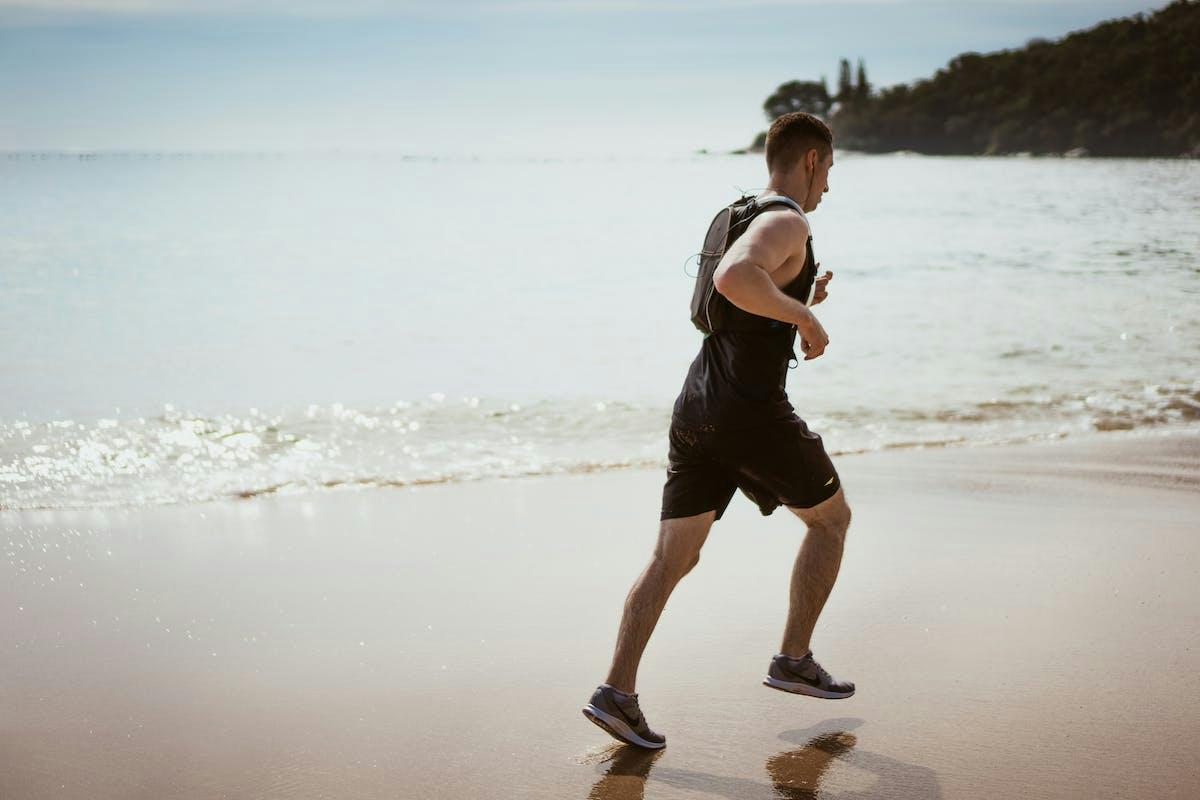
Learn how to running efficiently with expert tips on proper form, injury prevention, and training. Elevate your fitness journey with these essential insights.

What if I told you that with your next running shoe purchase, you could reduce your risk of injuries by 39%?

Introduction Runner’s knee, clinically known as patellofemoral pain syndrome (PFPS), is a common ailment that many runners face. Among runners, the knee is the most
In this blog post, we’ll explore the benefits of run/walk intervals and offer some valuable tips to get you started. Are you a runner looking
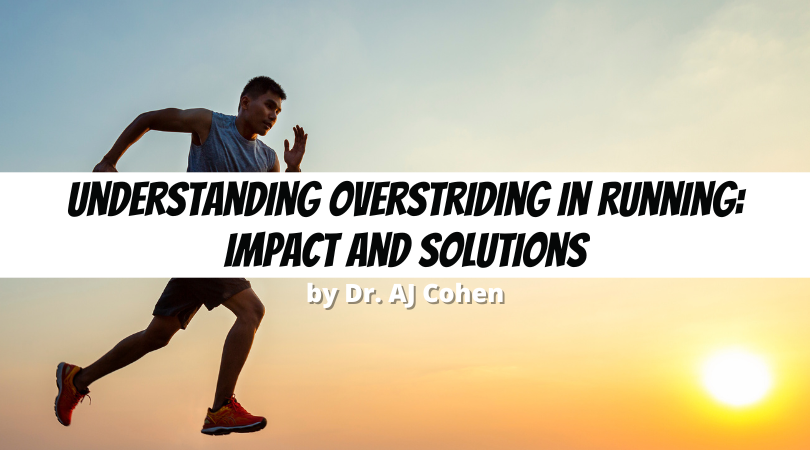
What is Overstriding in Running? “Overstriding” is a term frequently used in the running community to describe a particular foot-striking pattern that may lead to
Discover effective strategies to prevent blisters in running. Learn what causes blisters, how to choose the right socks and shoes, and other essential tips for

Have you ever wondered why your runs often leave you feeling exhausted and sore? It’s a common frustration shared by many runners, both new and
Stronger Feet for Stronger Running Many runners overlook the crucial role of the foot with respect to sustainable and successful running. I’d like to delve
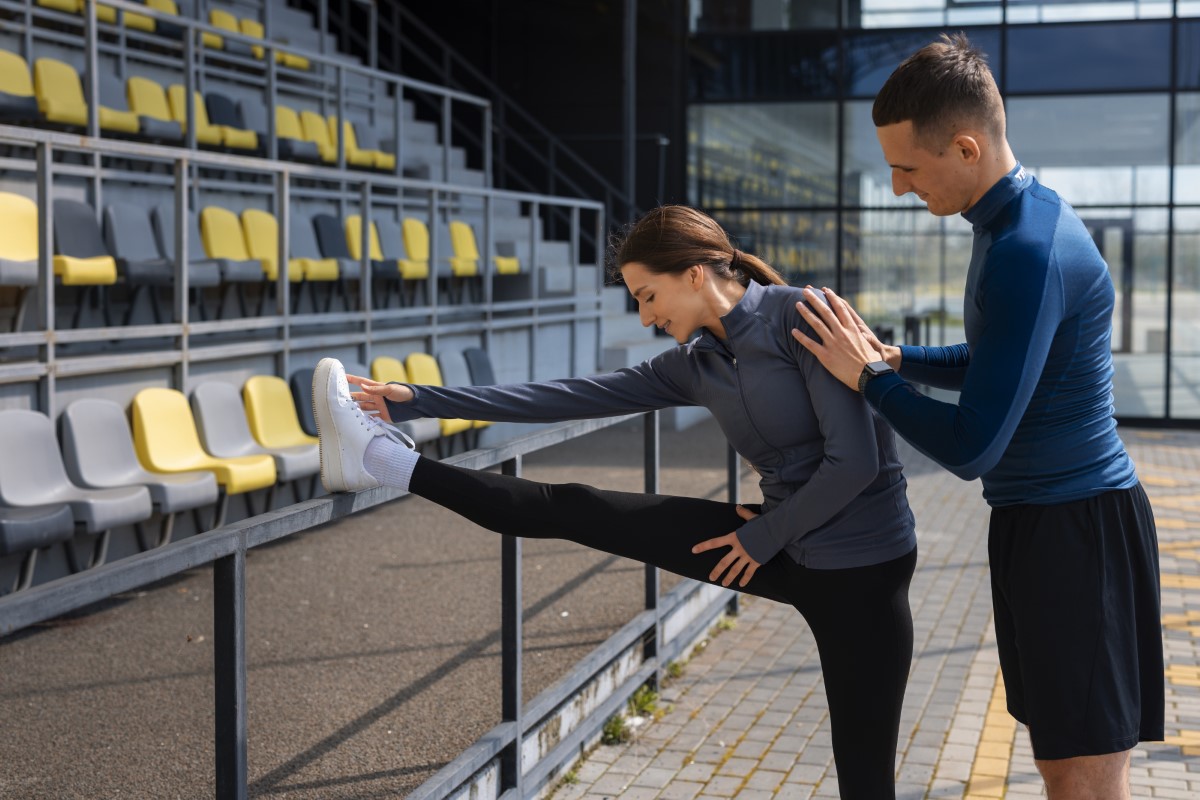
Running can cause intense strain and soft tissue damage, which is why it’s essential for all runners to visit a physical therapist regularly. By doing

Running can be a tiring sport, but it’s even more frustrating when you’re constantly battling pain and discomfort every time you are on the pavement.
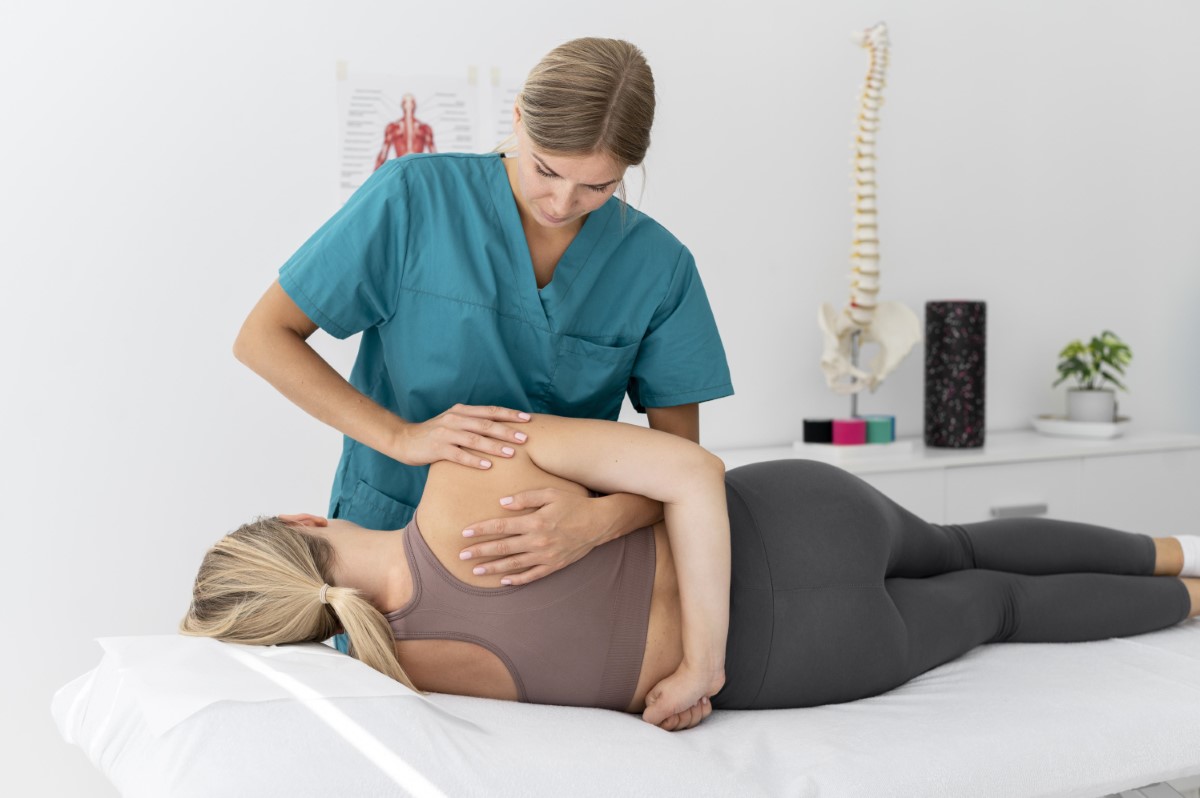
Did you know every one in three women suffers from some sort of pelvic issue? The intense pain and weakness from these disorders can potentially
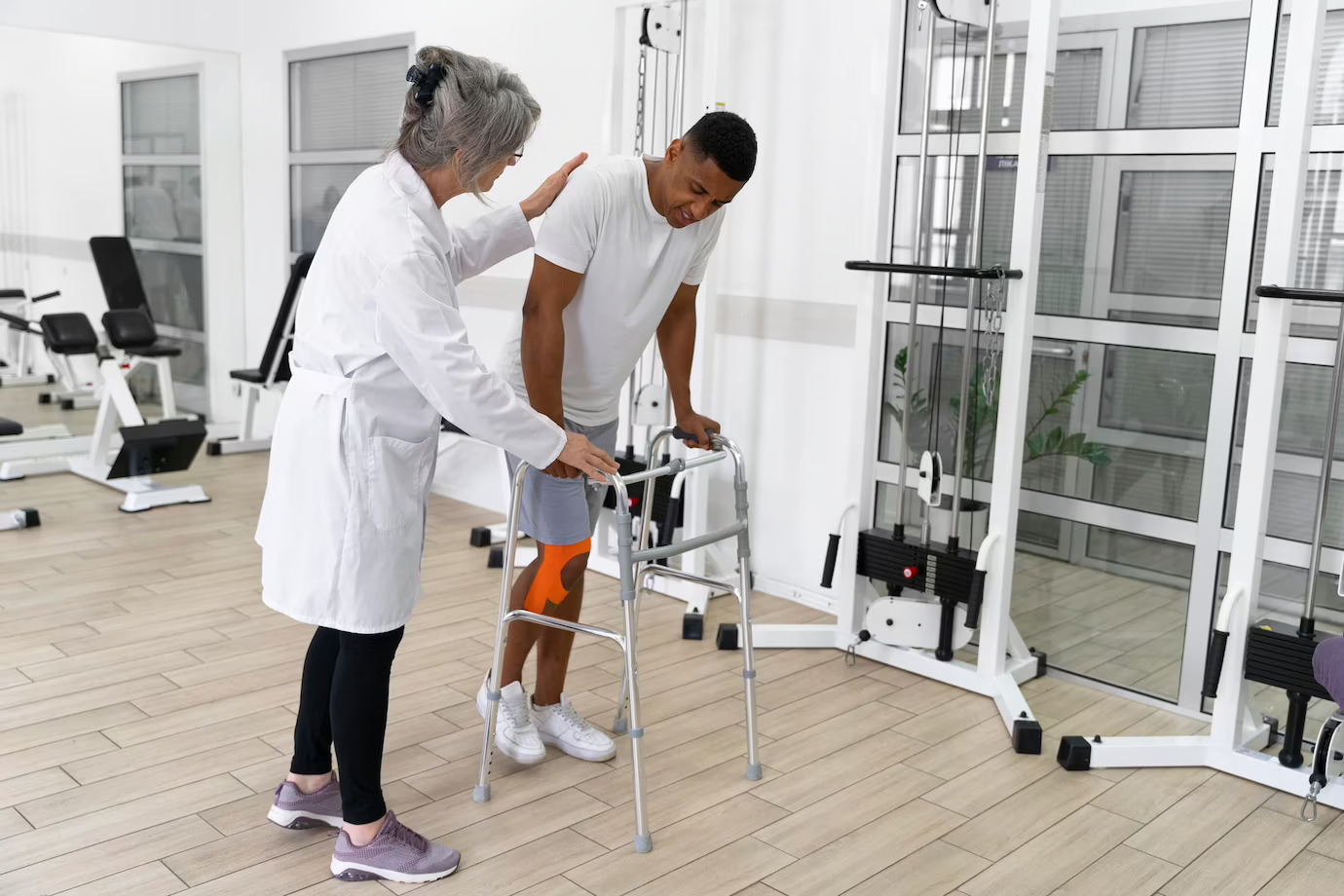
Running can be a tiring sport, but it’s even more frustrating when you’re constantly battling pain and discomfort every time you are on the pavement.

Common Running Injuries and How You Should Address Them! Running is a popular form of exercise, and for good reason. It’s a great way to

What’s Up With My Noisy Joints? Patients/athletes frequently have questions regarding clicks, pops, or other noises produced during exercise or with particular activities during the