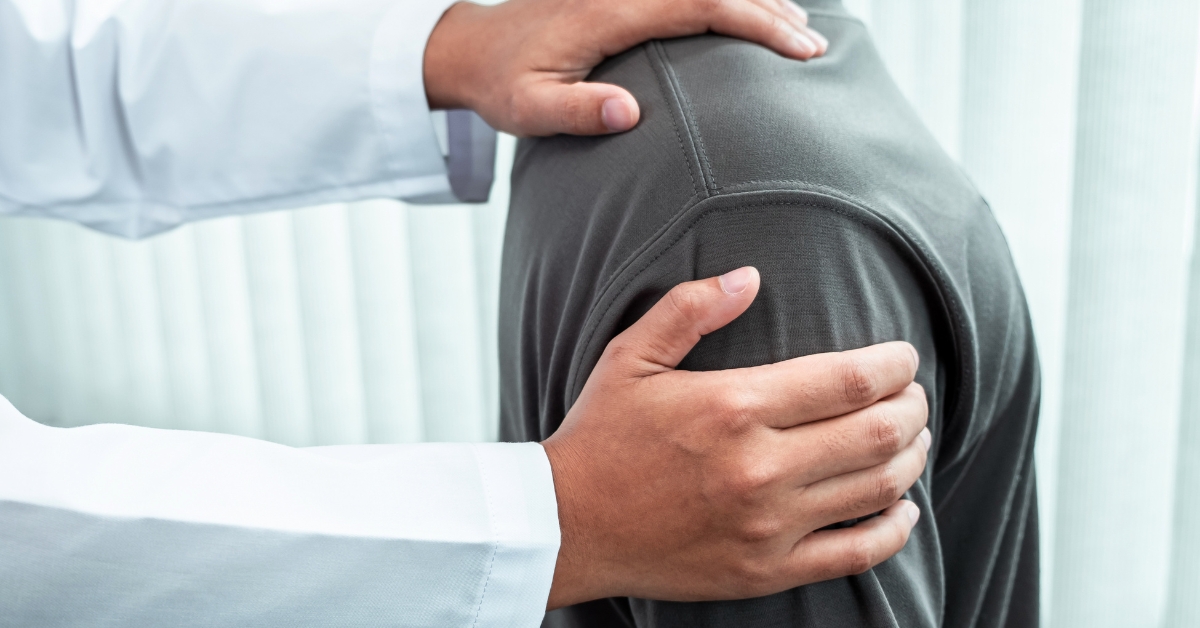
Pickleball Shoulder Impingement: Causes, Symptoms, and How to Fix It
What causes pickleball shoulder impingement, the symptoms to watch for, and how to treat it so you can keep playing without constant pain. A Fort Collins PT’s guide.

What causes pickleball shoulder impingement, the symptoms to watch for, and how to treat it so you can keep playing without constant pain. A Fort Collins PT’s guide.
ACL rehabilitation rebuilds strength, but sport also asks the brain to perceive, decide, and react. Here is how neurocognitive training may shape a safer return to sport.
A clear 3-step path to pain-free performance: find the real source of your pain, rebuild strength and control, and return to the activities you love with confidence.

A2 pulley injury treatment that calms finger pain, rebuilds strength, and guides climbers and lifters back to confident, pain-free training. A Fort Collins PT’s guide.

Lower stomach pain during sex is not normal if it happens repeatedly or is severe. It can affect both men and women and may result
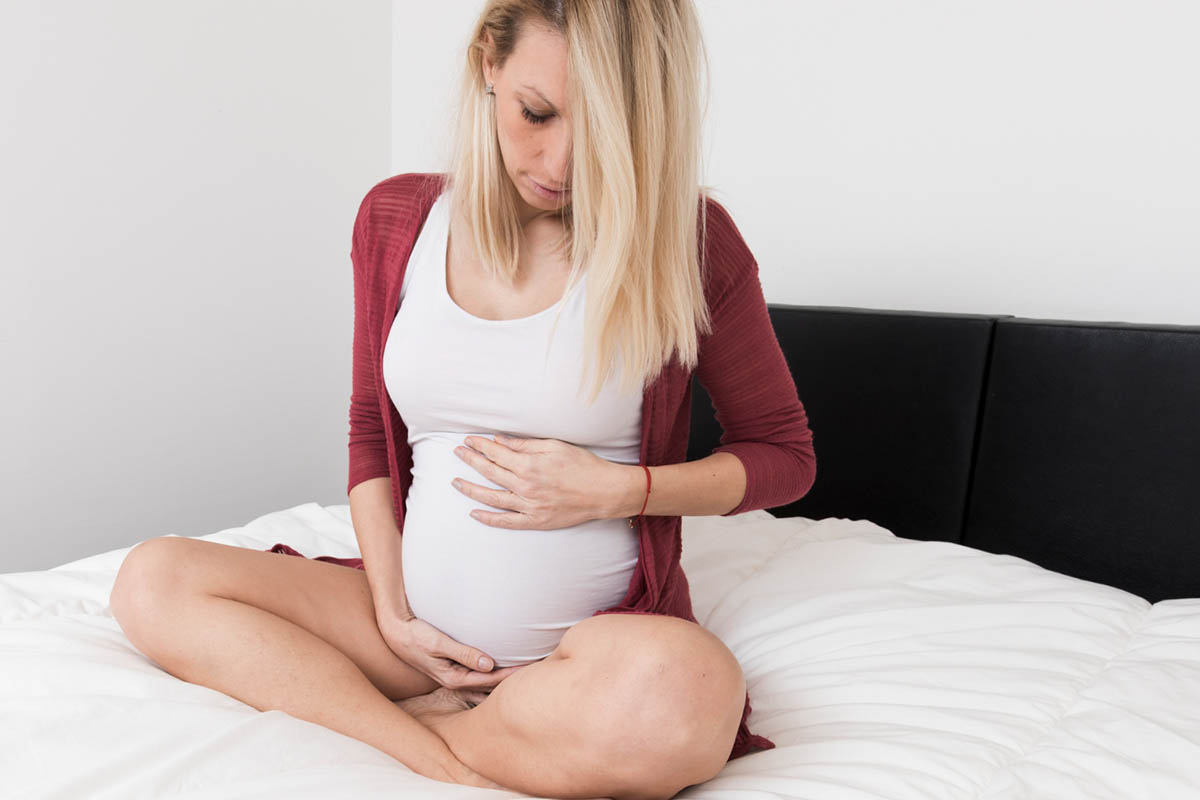
Pelvic pain during pregnancy can often be relieved with the right combination of movement, support, and activity modifications. While mild discomfort is common as your
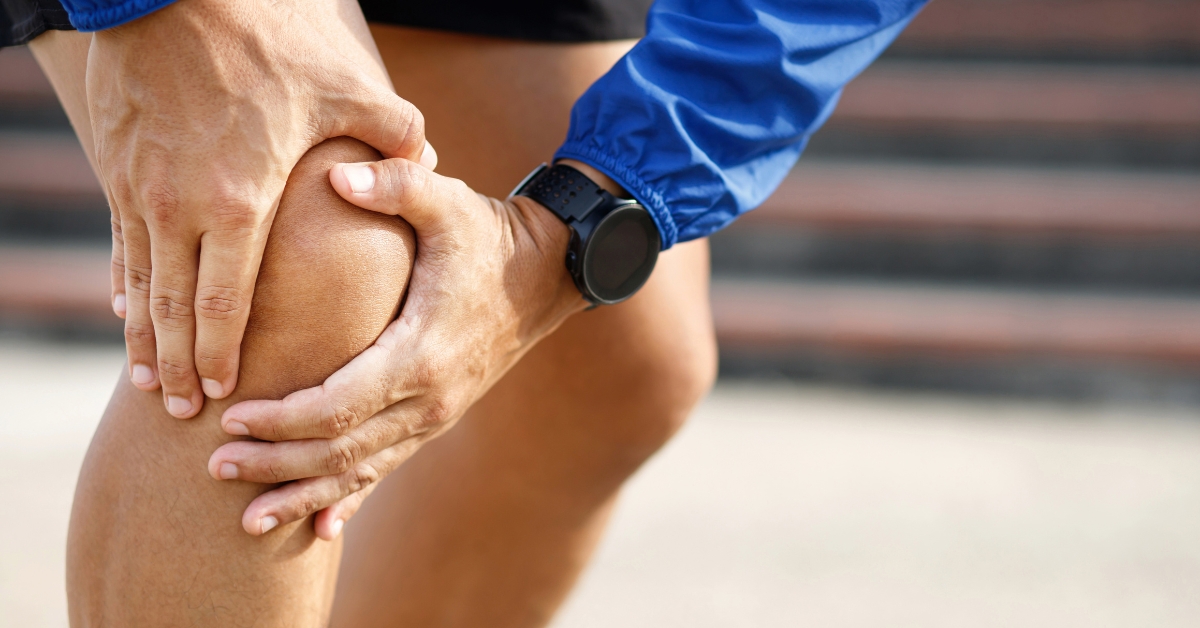
If you’re dealing with a torn meniscus, you’re probably frustrated, in pain, and wondering if surgery is your only option. The good news? It’s often not. Many times, it’s possible to learn how to heal a torn meniscus naturally.
You can support your body’s natural healing process with a few intentional choices and a little patience. It starts with understanding how your meniscus works and what it needs to recover.
This kind of tear doesn’t heal overnight, but if you give your knee the right environment to heal, you can often avoid the knife.
Whether you’re headed for the Coyote Ridge Trail or the Horsetooth Rock Trail Loop, our goal is to get you up and running again! So let’s look at practical, natural ways to ease the pain, reduce inflammation, and get you moving again, without rushing into surgery.
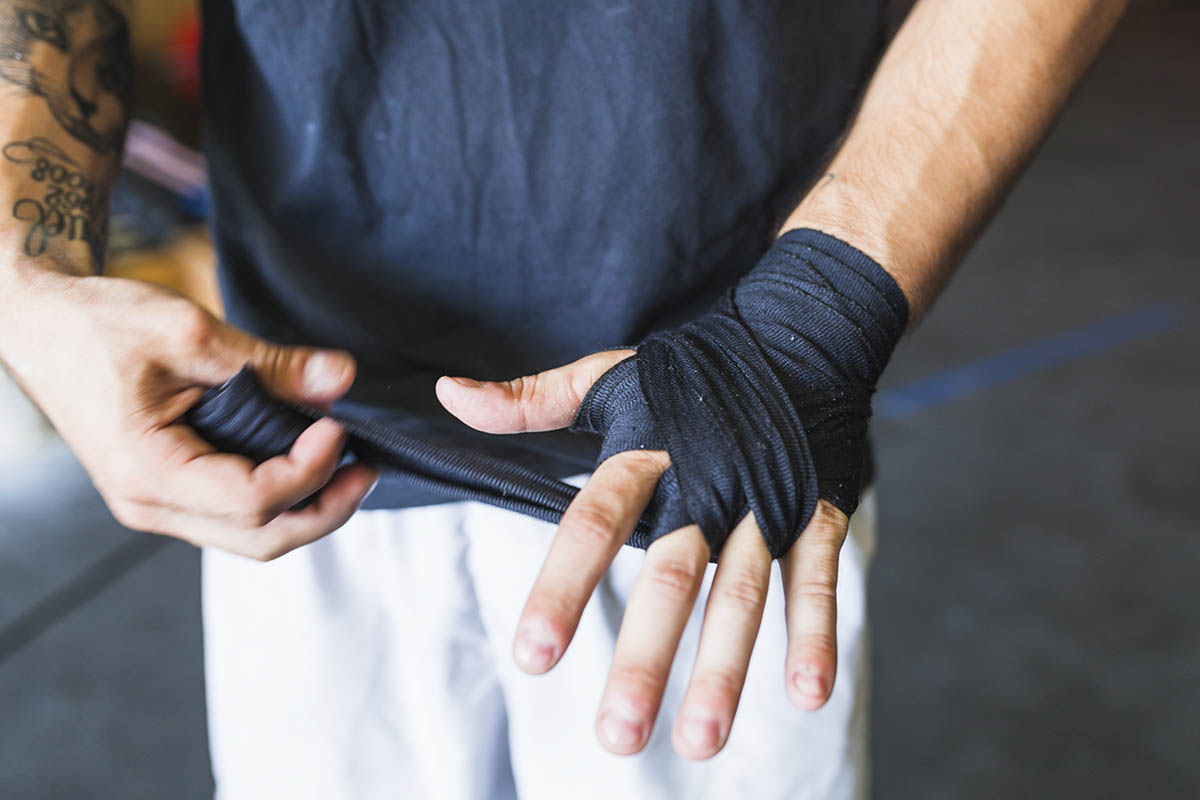
Introduction The human hand is amazingly designed, letting us move with great skill and hold things tightly. However, this complex system of bones, muscles,

If you’ve been told to “just do Kegels” to fix your pelvic floor, you’re not alone. But what most people don’t realize is that too many Kegels can actually make things worse. For many active adults, especially runners and lifters, the real solution starts with learning how to release tension through pelvic floor stretches that help your muscles move and relax the way they should.
Your pelvic floor works like any other muscle group—it needs strength, but it also needs flexibility and recovery. When those muscles stay tight, you may notice pain in your hips, lower back, or even while running or sitting.
That’s your body telling you it’s time to stretch, not squeeze.
In this blog, we’ll walk through simple, science-backed stretches that help restore balance and coordination to your pelvic floor, so you can move freely, breathe easier, and get back to feeling strong again.
Learn how long runner’s knee take to heal, what affects recovery time, and how to return to running and training without constant flare ups.
Learn what causes a crossfit shoulder injury, how to calm pain without quitting training, and the smart steps to rebuild strength and return to performance.
Hip pain during pregnancy can feel especially unfair when you love to move. You finally find your groove with running, lifting, hiking, or climbing, and suddenly every step or stride makes your hip grab or ache.
You still want to feel like an athlete, not just a passenger in your changing body. You want clarity on what is safe, what needs to change, and how to protect your body now so you can return stronger postpartum.
What is pelvic floor therapy? If you’ve ever felt like something “just isn’t right” in your core — whether it’s pain, pressure, or bladder changes — you’re not alone.
Pelvic floor therapy helps you understand and strengthen the muscles that support your bladder, bowel, and reproductive organs. It’s not just for new moms or athletes; it’s for anyone whose daily life is affected by discomfort or weakness in this area.
You learn how to move, breathe, and use your muscles in ways that make your body feel supported again. Most people are surprised by how much this therapy improves their confidence, posture, and even intimacy.
Here’s what we focus on together:
Reconnecting you to muscles that have been ignored or overworked
Teaching gentle exercises that restore coordination and strength
Reducing pain and improving control so you can return to normal activities
This isn’t a quick fix — it’s a process that helps your body relearn balance and strength from the inside out. And it starts with you simply noticing that something feels off and deciding it’s time to feel whole again.
You push your limits. You chase that next PR on the Poudre Trail, climb higher at Horsetooth Rock, or power through another CrossFit session — until your body finally tells you to stop. That’s when most runners turn to rest or quick fixes that never last.
At our sports injury clinic in Fort Collins, we take a different approach.
We know you’re not looking for someone to just “treat” you. You want to understand what’s really going on, fix it, and get back to training stronger than before. And at Up and Running Physical Therapy, we help you uncover the movement patterns, strength gaps, and recovery habits holding you back.
You don’t have to rely on painkillers, injections, or months of rest. Instead, we rebuild your movement from the ground up using movement and gait analysis and strength training designed specifically for runners. The result? You move better, recover faster, and feel unstoppable.
If you’re ready to train smarter, recover stronger, and keep running without the setbacks, our sports injury clinic is where your comeback begins.
If you’ve been searching for exercises for lower back pain but feel lost in a sea of conflicting advice, you’re not alone. So many people waste time on generic routines that don’t target the real problem.
Your back pain doesn’t need random stretches or endless core work. What you need are smart, specific movements that ease tension, restore mobility, and actually keep the pain from coming back.
Here’s what happens when you choose the right approach:
You wake up without that constant ache.
You move through workouts without fear of a flare-up.
You start trusting your body again instead of guarding every step.
Stop settling for temporary fixes. Let’s dig into the exercises that actually make a difference.
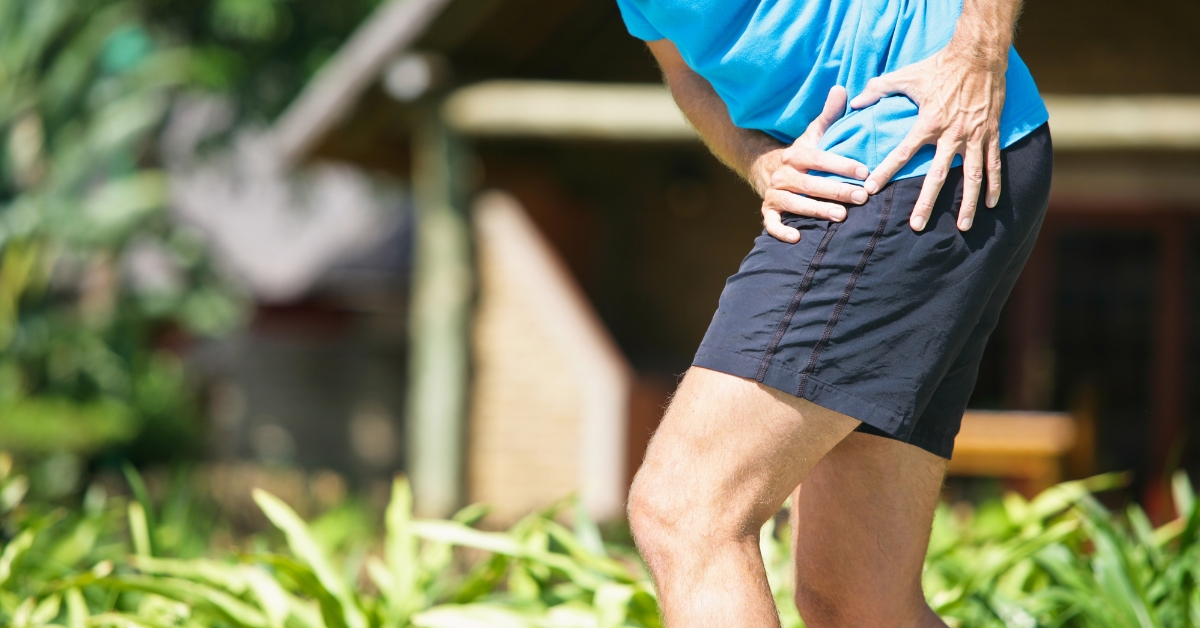
You lace up ready for a great run, but halfway through, that familiar ache in your hip starts creeping in. By the time you’re done, it’s more than just a dull throb—it’s messing with your stride, your training, and your motivation. You’re left asking, “Why does my hip hurt after running?”
Hip pain after running isn’t always just “overuse” or “getting older.”
It can come from muscle imbalances, poor running mechanics, or even how your body recovers between workouts.
Sometimes it’s about flexibility. Other times, it’s your strength in key stabilizing muscles.
When you understand what’s really causing the problem, you can fix it for good instead of just pushing through or taking endless rest days. That’s how you get back to running without constantly worrying about your hip acting up again.
AJ Cohen’s drive toward running physical therapy began with his own struggles as an injured athlete.
His graduate school experience at a high-volume clinic, seeing multiple patients every hour, left him exhausted, and he even injured himself.
Though he pivoted into oncology and later worked in nursing homes, his passion for helping active adults and trail runners never faded.
Fueled by vision and frustration, he made the bold choice to start his own clinic tailored to what he believed physical therapy could be.

You try to exercise and there it is again—sharp, stubborn knee pain when squatting. Whether you’re lifting in the gym or getting low to pick something up, the pain keeps showing up like an uninvited guest.
It’s frustrating. You stretch, warm up, adjust your form, maybe even rest for a few days… and still, that pain flares right back up. If you’ve been told it’s just something to push through or chalked it up to aging, you’re not alone.
But here’s the truth:
Knee pain when squatting is common, but it isn’t normal. And it doesn’t mean you have to give up your workouts or settle for temporary relief.
At Up and Running Physical Therapy in Fort Collins, we help active adults and athletes fix this exact issue—without pills, surgery, or being told to stop doing what they love.
In this post, you’ll learn:
• Why your knee pain keeps coming back
• The most overlooked reasons squatting hurts
• How our 3-Step Method relieves pain and builds strength
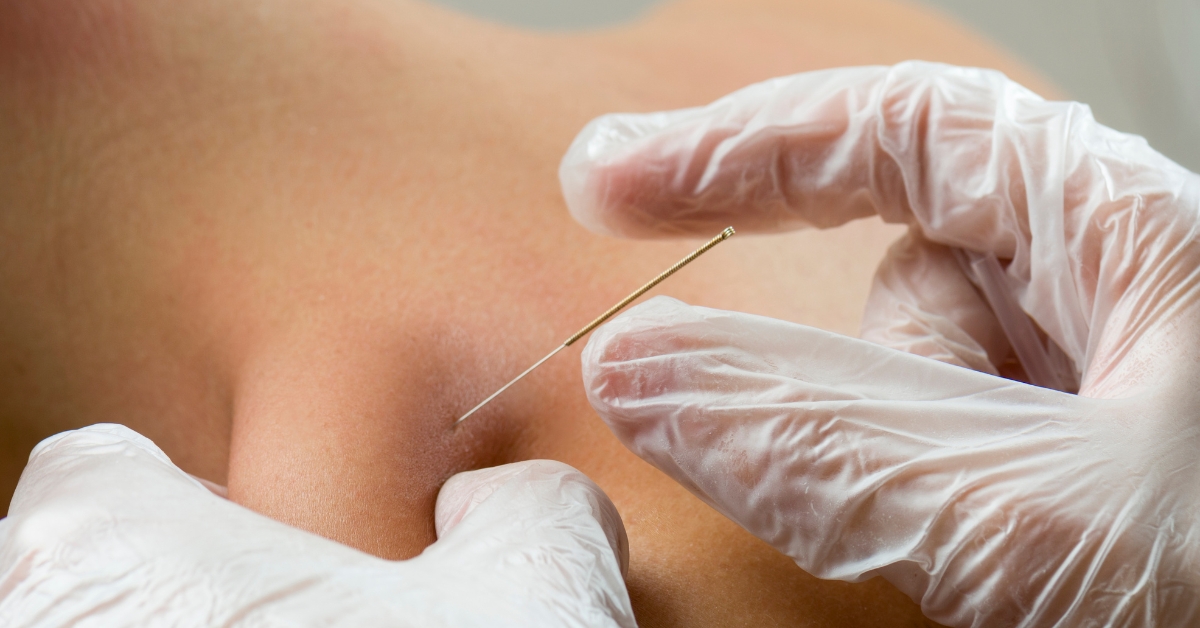
If you’ve ever dealt with muscle pain that won’t go away, dry needling might be the solution you haven’t considered. This technique uses thin needles to target trigger points—tight knots in your muscles that cause discomfort and limit movement.
Unlike acupuncture, which follows traditional Chinese medicine principles, dry needling is based on modern science. It helps by:
Releasing muscle tension
Reducing pain and inflammation
Improving blood flow and mobility
Many people feel relief after just one session. If you’re struggling with stubborn pain, dry needling could be the key to getting back to feeling your best.
A torn rotator cuff can make even simple movements feel impossible. Reaching for a glass, lifting a bag, or even sleeping comfortably becomes a challenge. You want to know how to heal a torn rotator cuff naturally, but is that possible?
The good news? Many rotator cuff tears don’t need surgery. With the right approach, your body can heal itself.
Natural recovery takes patience, but it’s possible with a mix of rest, gentle movement, and targeted therapies. The key is reducing inflammation, strengthening supportive muscles, and avoiding further strain.
You don’t have to live with pain or limited mobility forever. Let’s go over the best ways to help your shoulder heal without surgery.
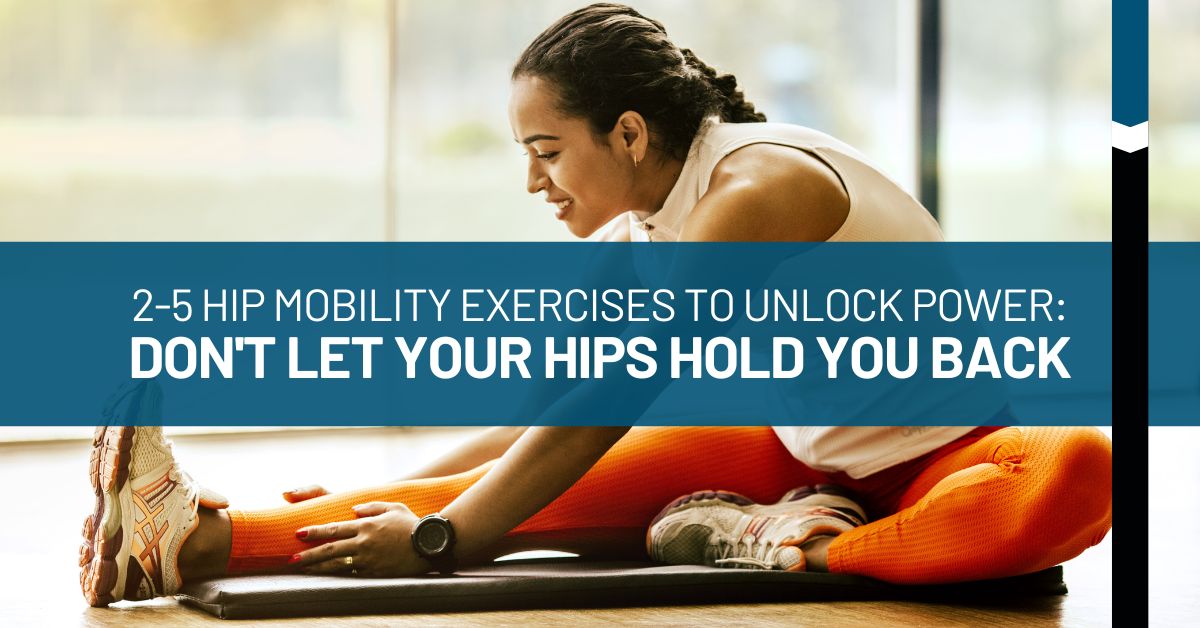
When it comes to staying active and pain-free, your hips play a more vital role than you might think. Poor hip mobility doesn’t just affect your hips—it has a ripple effect on your entire body. The good news is hip mobility exercises can make all the difference!
If you’re an active adult or an outdoor enthusiast, improving your hip mobility can be the key to enjoying activities like hiking at Horsetooth Reservoir or running along Spring Creek Trail without pain.
But here’s the kicker: neglecting your hip mobility could lead to long-term issues like:
– Low back pain
– Knee discomfort
– Even Achilles problems
If your hips aren’t doing their job, other areas of your body will have to pick up the slack—and that often leads to pain or injury.
So, how can you improve your hip mobility, stay strong, and move better? Incorporating a hip mobility exercise routine can be the solution.
When it comes to running, starting is one thing. Staying healthy, avoiding plateaus, and actually hitting your goals? That’s a whole different game. That’s why we have some expert running tips for you.
If you’re a runner in Fort Collins, Colorado, whether you’re crushing trails at Horsetooth Reservoir or pounding the pavement along the Poudre River Trail, you’ve likely faced moments of doubt:
“Do I need help with this pain?”
“Am I doing enough to hit my goals?”
Too many runners delay seeking help, hoping the tightness will vanish or the plateau will magically resolve.
Spoiler alert: It usually doesn’t. In fact, waiting often turns small problems into big ones.
But knowing when to reach out for help can save you time, money, and a lot of frustration.
In this post, we’ll cover:
When to seek professional help for running injuries.
How to know if your training has plateaued—and what to do about it.
Why DIY solutions often fall short.
Actionable steps to get back on track quickly.
So read on to find out how to go from pain or plateaus to progress!
You know how frustrating it feels to have your training sidelined by pain. That sharp ache around your kneecap can make even walking uncomfortable, let alone running your favorite Fort Collins trails.
The good news is, runner’s knee recovery doesn’t have to be a guessing game. With the right approach, you can ease the pain, rebuild strength, and get back to running stronger than ever.
Let’s explore practical tips to help you recover faster and prevent runner’s knee from holding you back again.
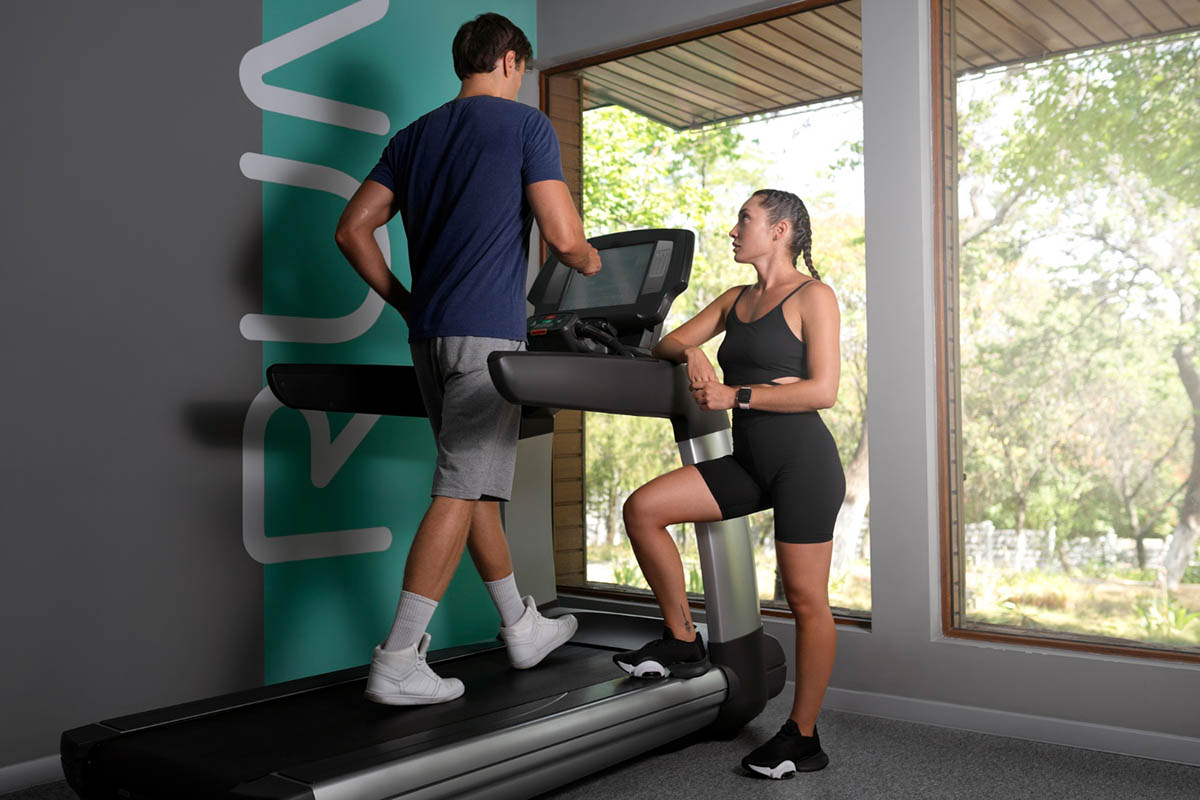
Running is a beloved activity for millions, but incorrect physical therapy running mechanics can lead to inefficiencies and injuries that hinder performance and enjoyment. Whether
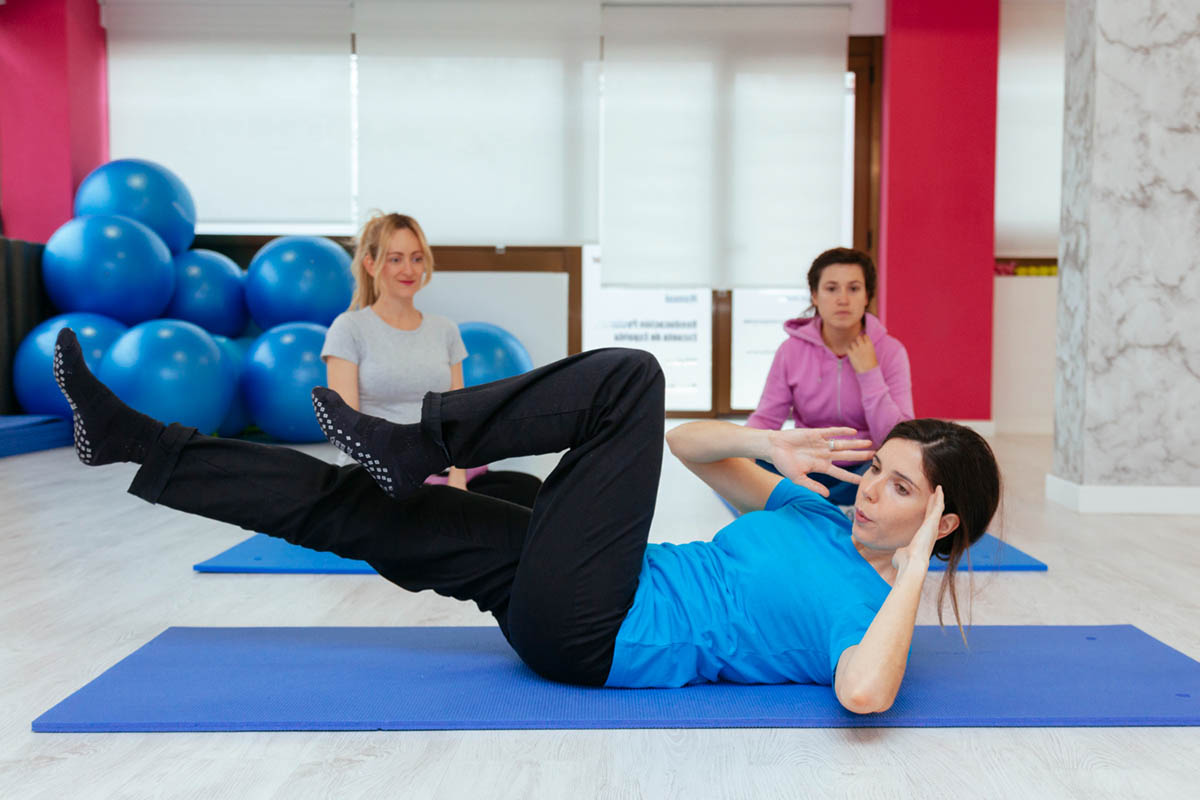
The pelvic floor is a group of muscles and tissues located at the base of your pelvis. These muscles play a crucial role in supporting
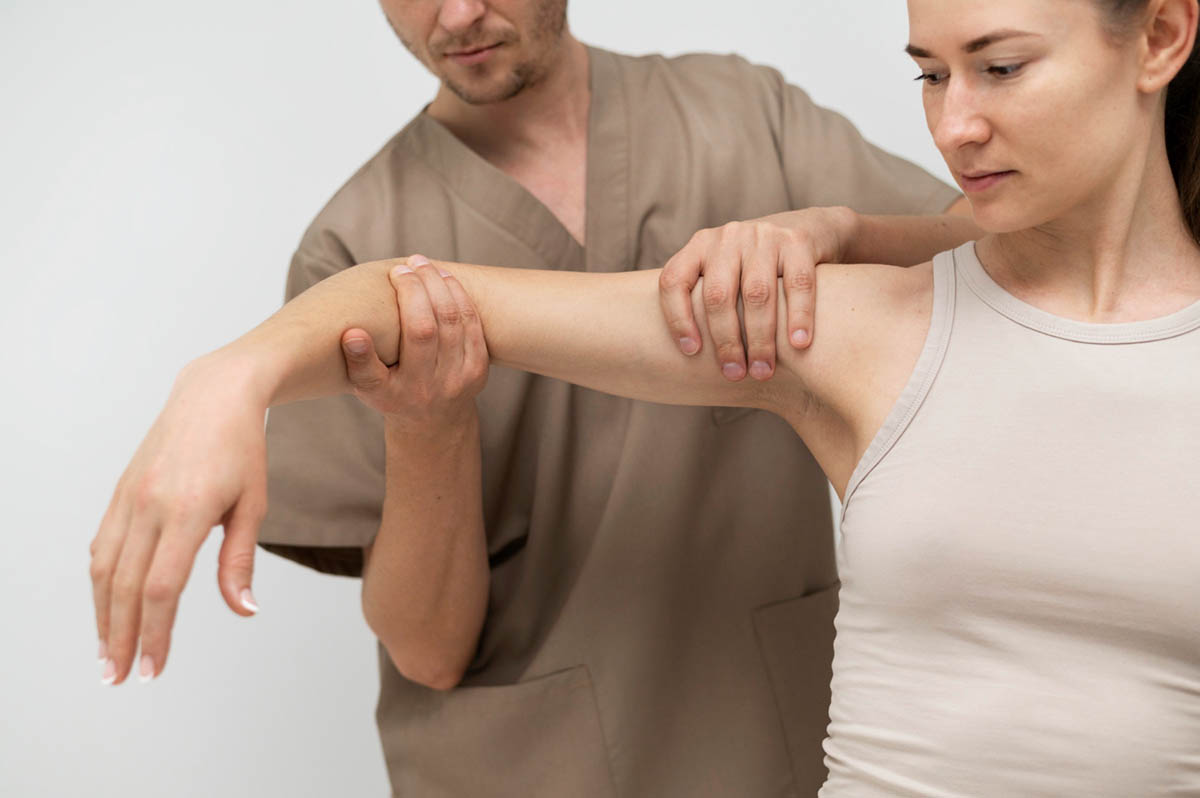
Undergoing rotator cuff surgery can be a daunting experience, but it’s often a necessary step toward regaining full shoulder function and alleviating pain. The road

Introduction Pelvic health is a pivotal aspect of overall wellness, encompassing the functionality and well-being of the pelvic floor muscles and organs for both women
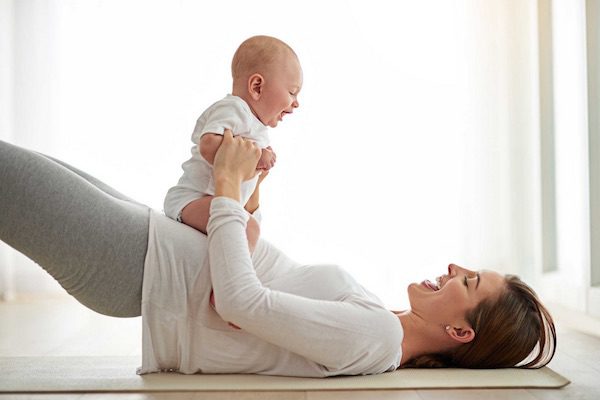
Dive into 10 reasons Pelvic Floor Physical Therapy could Improve Your Quality of Life
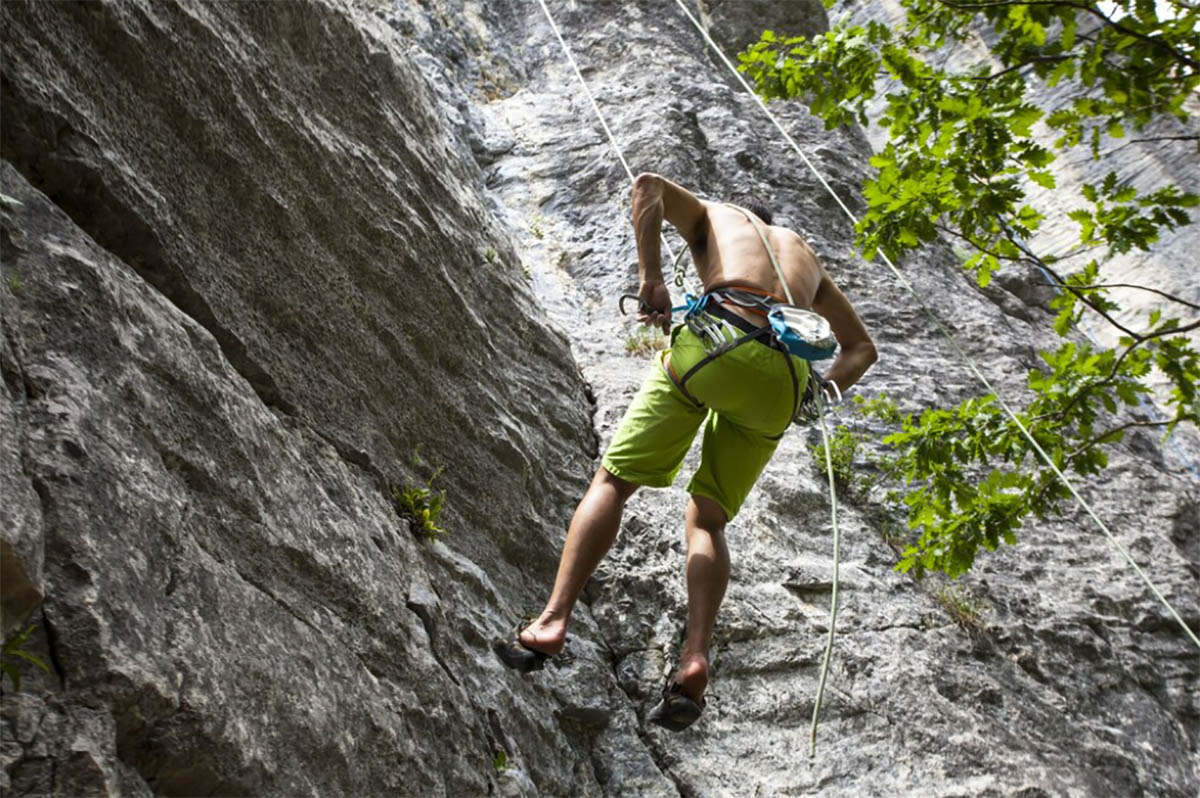
Introduction Rock climbing is a sport that demands not just mental fortitude but also a high level of physical fitness. Climbers often find themselves in
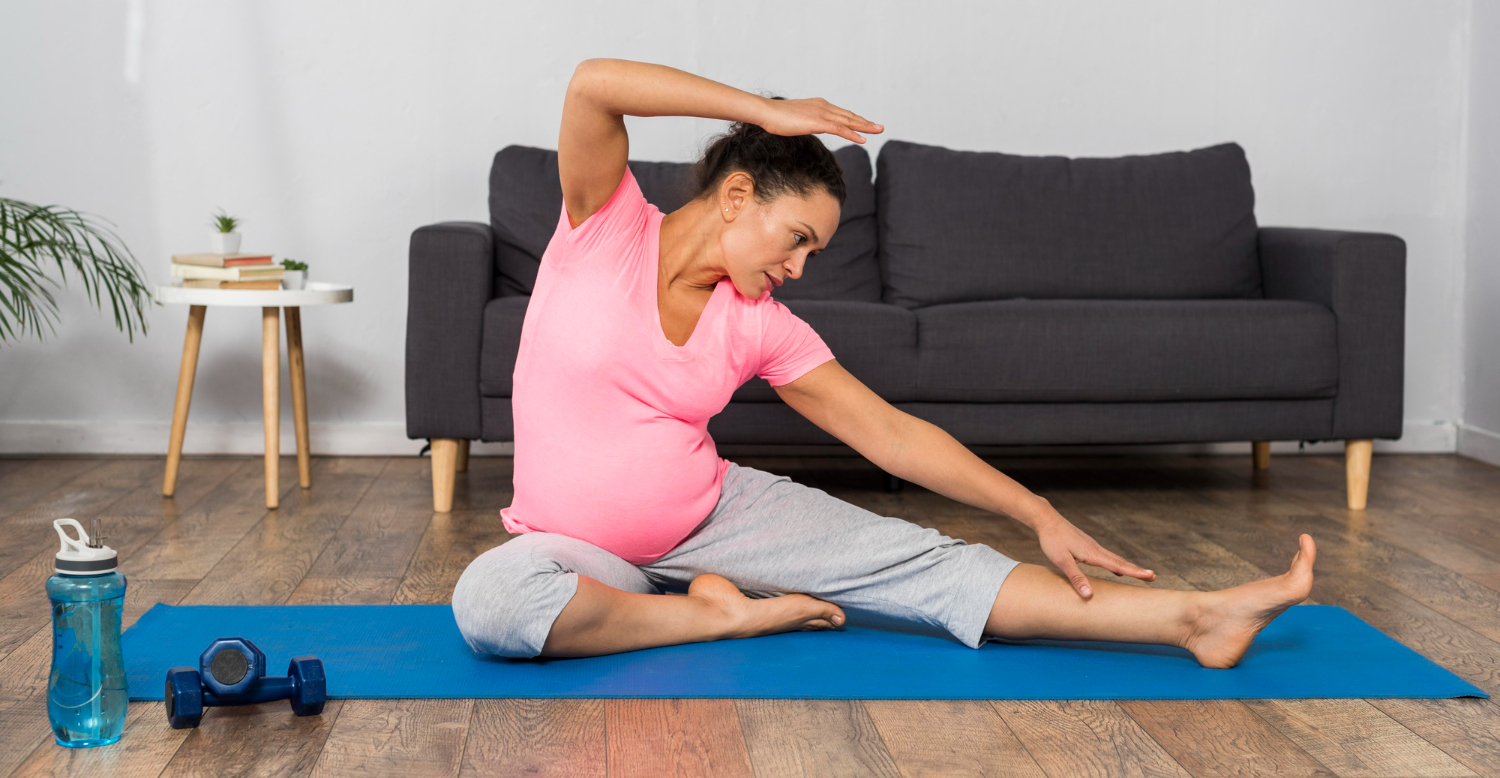
Pelvic floor therapy during pregnancy is a safe, non-invasive treatment that helps reduce pelvic pain, improve bladder control, strengthen the pelvic floor muscles, and prepare
Introduction As a physical therapist and a passionate runner, I’ve seen the battle scars worn by countless runners battling injuries. We push our bodies to
Learn how to running efficiently with expert tips on proper form, injury prevention, and training. Elevate your fitness journey with these essential insights.
Today, I’d like to break down a groundbreaking technique that’s been reshaping the landscape of physical therapy – Blood Flow Restriction therapy. As a seasoned
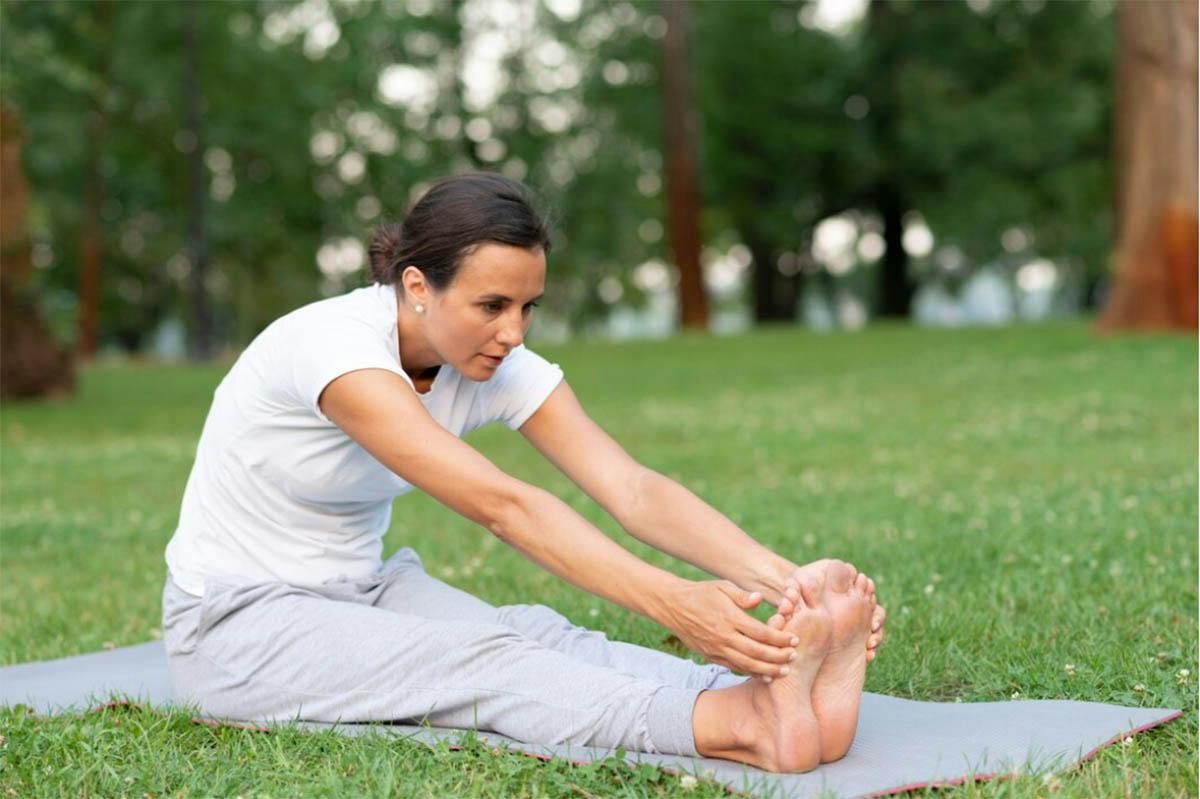
Introduction Imagine combining physical therapy’s healing power with the great outdoors’s rejuvenating experience. Outdoor physical therapy is a growing trend, and its benefits are particularly
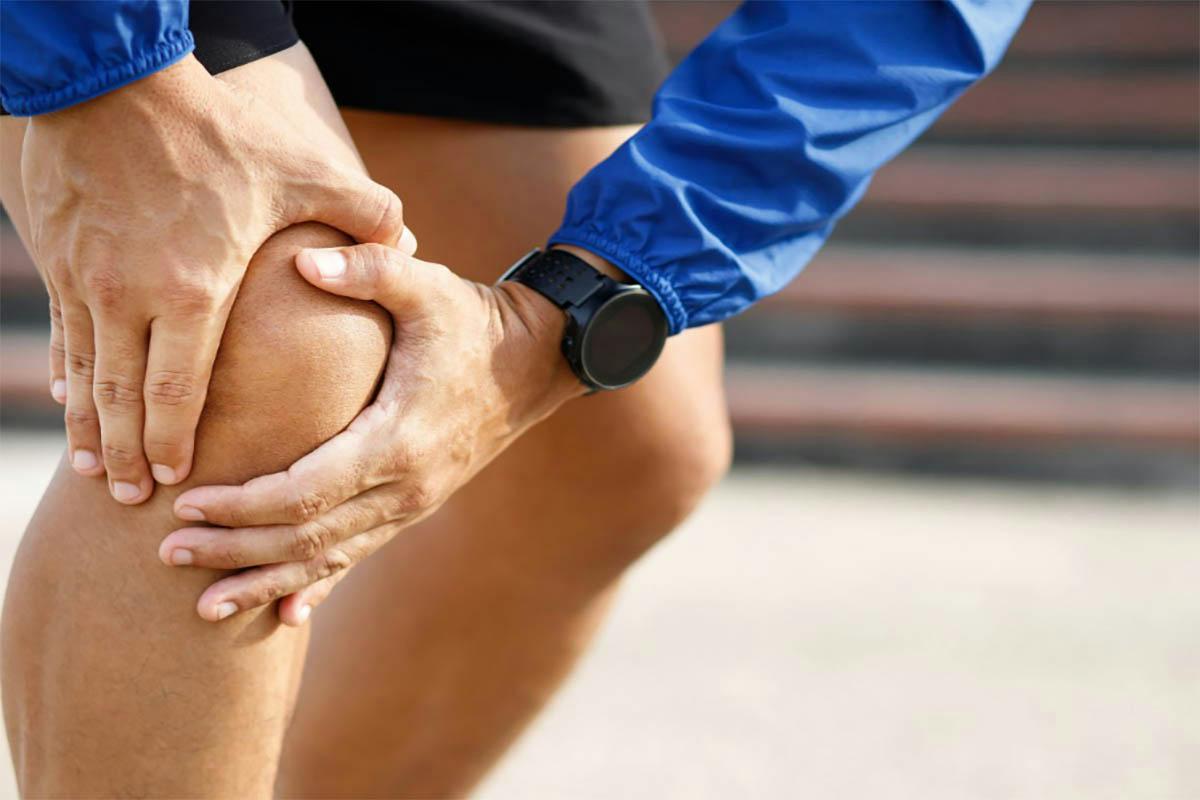
Introduction Runner’s knee, clinically known as patellofemoral pain syndrome (PFPS), is a common ailment that many runners face. Among runners, the knee is the most
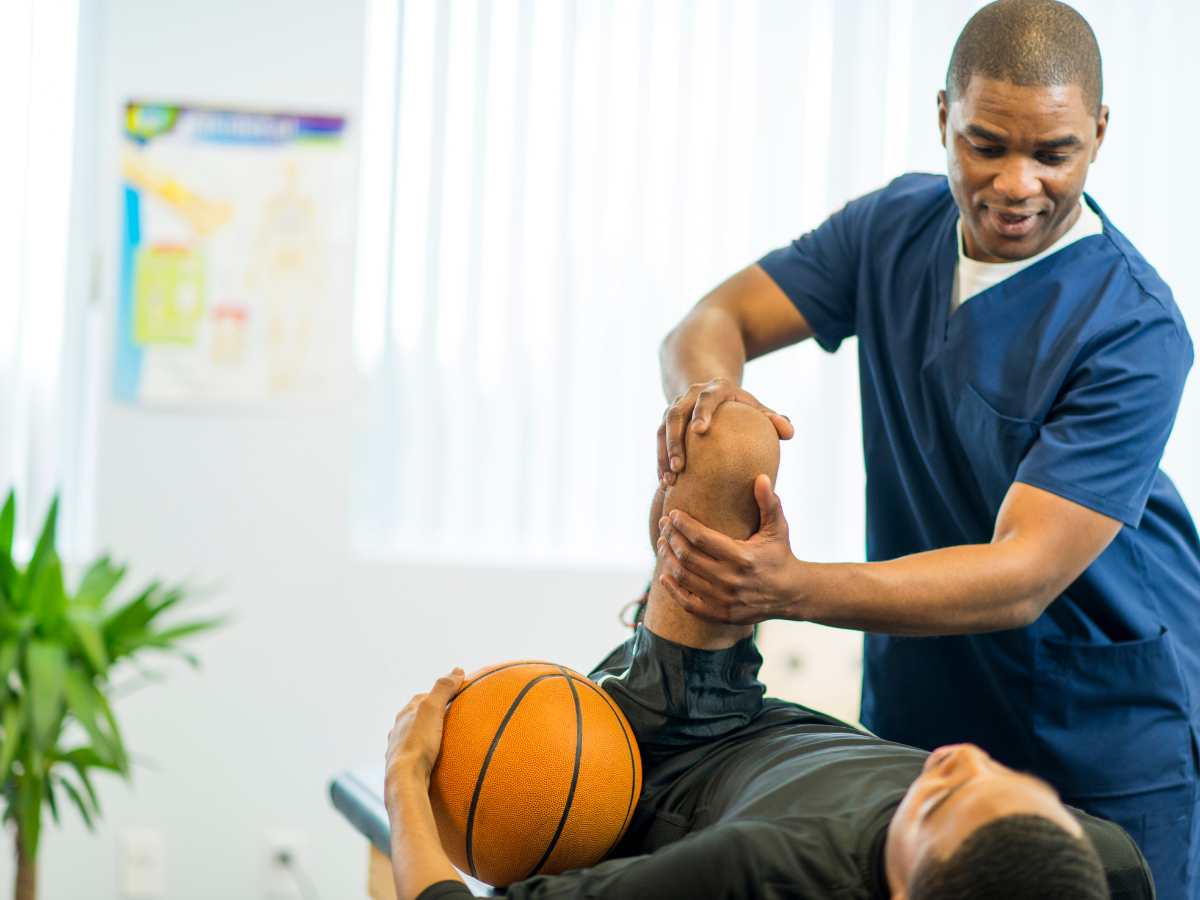
Introduction Sports and physical therapy are two fields that, at first glance, might not seem closely related. However, the role of physical therapist for athletes