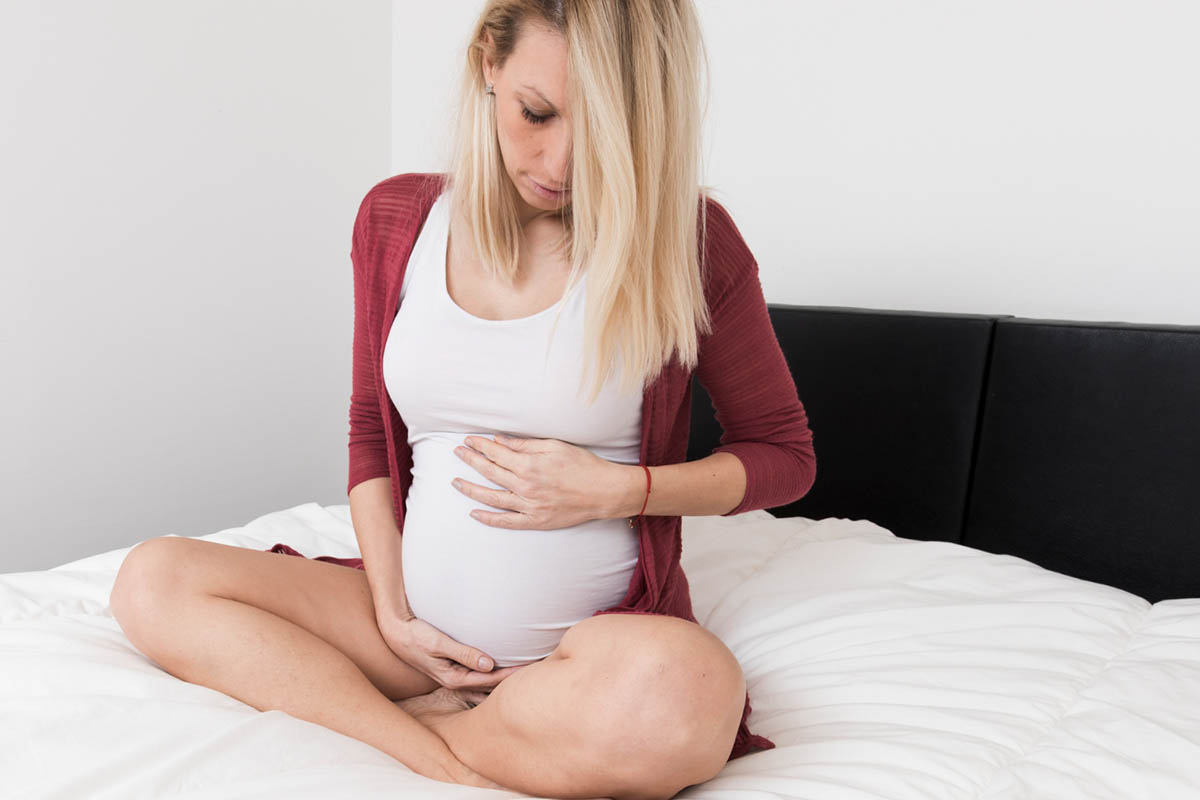
Pelvic pain during pregnancy can often be relieved with the right combination of movement, support, and activity modifications. While mild discomfort is common as your body changes to support your growing baby, severe or persistent pain should not be ignored. Knowing what to do, and what to avoid, can help reduce strain on your pelvis, improve mobility, and make everyday activities more comfortable.
Incorporating pelvic floor therapy during pregnancy can also be beneficial. In this article, we will explore the dos and don’ts for relieving pelvic pain during pregnancy, helping you navigate this period with greater ease.
Key Takeaways:
- Gentle exercise can help relieve pelvic pain during pregnancy.
- Good posture and body mechanics reduce stress on the pelvis.
- Avoid high-impact activities and movements that worsen pain.
- Pelvic floor physical therapy may improve pain and mobility.
- Contact your healthcare provider if pelvic pain is severe or persistent.
What is Pelvic Pain During Pregnancy?
Pelvic pain during pregnancy first trimester is often caused by the physical changes your body undergoes as it prepares for childbirth. Is pelvic pain normal during pregnancy? As your baby grows, your body produces hormones that relax the ligaments and joints in the pelvic region to accommodate the expanding uterus. This can lead to discomfort or pain in the pelvic area, which may vary from a mild ache to severe pain. Common types of pelvic pain include pelvic girdle pain and sacroiliac joint dysfunction. Pelvic girdle pain often arises due to extra weight and changes in posture during pregnancy.
Dos for Relieving Pelvic Pain During Pregnancy
To alleviate pelvic pain, prioritize regular gentle exercise throughout pregnancy, such as walking and prenatal yoga, which can help strengthen your pelvic floor muscles and improve flexibility. Additionally, consider using supportive pillows when sitting or sleeping to maintain proper posture during pregnancy and reduce strain on your pelvic girdle. For expert assistance, look into Up and Running PT for personalized physical therapy tailored to your needs.
Do Water Exercise
Water exercise is an excellent way to relieve pelvic girdle pain during pregnancy. The buoyancy of the water supports your body, reducing the stress on your joints and ligaments. Swimming and water aerobics can help strengthen your muscles without putting additional strain on your pelvis. The American College of Obstetrics and Gynecologists (ACOG) and Canadian Clinical Practice Guidelines (CPGs) recommend aquatic exercises as a pain-free environment to stay active while pregnant. Always consult your healthcare professional before starting a new exercise during pregnancy regimen.
Do Kegel Exercises
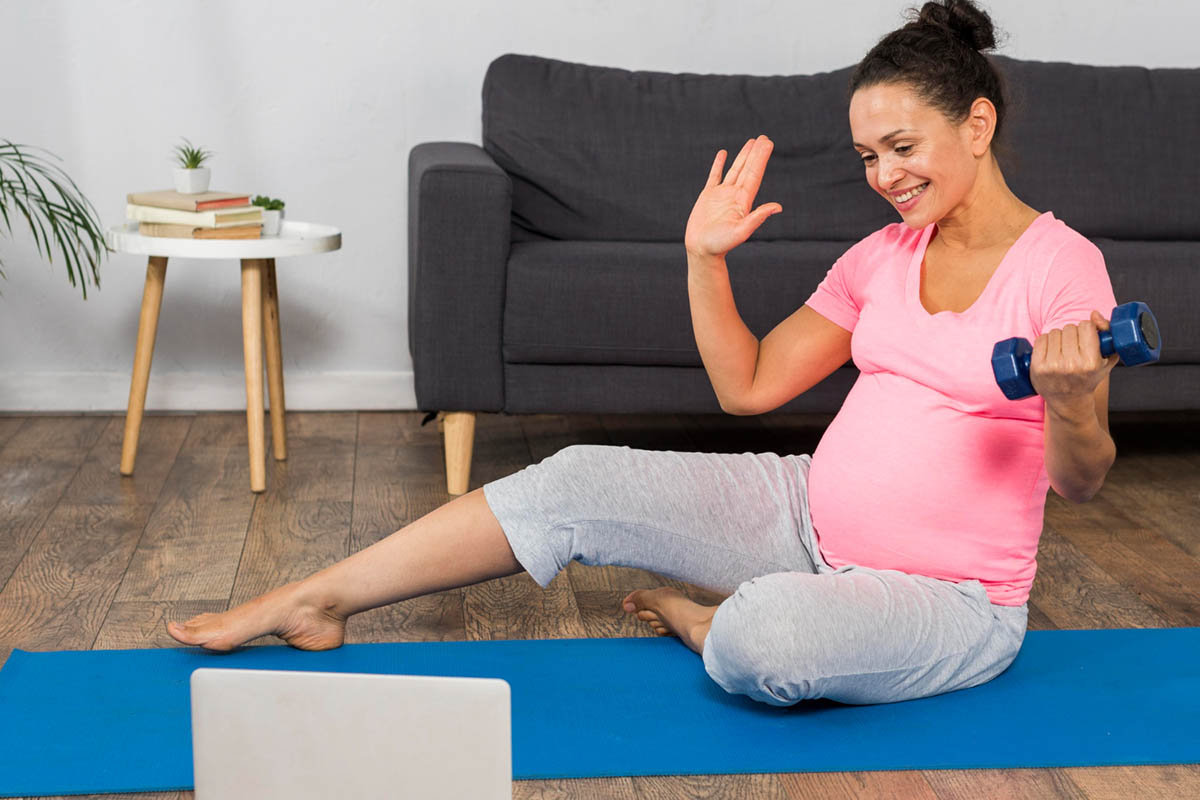
Kegel exercises are beneficial for strengthening the pelvic floor muscles, which support the pelvic organs and birth canal. Strengthening these muscles can help alleviate some of the discomfort associated with pelvic pain. To perform a Kegel exercise, tighten your pelvic floor muscles as if trying to stop the urine flow, hold for a few seconds, and then release. This can help improve muscle tone and support your pelvic girdle. Repeating this exercise several times daily can improve muscle tone and support your pelvic area.
Do Pelvic Tilt Exercises
Pelvic tilt exercises can help relieve pressure on the pelvic joints and reduce pelvic pressure. To perform a pelvic tilt, lie on your back with your knees bent and feet flat on the floor. This exercise helps strengthen your core and supports your pelvic girdle. Gently flatten your lower back against the floor by tilting your pelvis upward, then slowly return to the starting position. This simple exercise can help strengthen your core and support your pelvic region.
Do Lie Down
When experiencing pelvic pain, lying down can be one of the most effective ways to relieve discomfort. Resting in a neutral position allows your body to relax and reduces the strain on your pelvic region. Lie on your side with a pillow between your knees to align your pelvic girdle and relieve pressure.
Do Sleep in a Comfortable Position
Finding a comfortable sleeping position is crucial for managing pelvic pain. The best position for most pregnant women is on their side, particularly the left side, which can improve blood flow to the placenta. A pregnancy support belt or several pillows to support your pregnant belly, back, and knees can also enhance comfort and reduce pain.
Do Consider Getting a Massage
When performed by a trained therapist, a pregnancy massage can help alleviate pelvic pain by relaxing tight muscles and improving circulation. Manual therapy techniques can also provide relief. A licensed massage therapist with experience in prenatal care can use techniques tailored to your needs, providing relief and promoting health benefits.
Do Elevate Your Feet When Resting
Elevating your feet when resting can help reduce swelling and improve circulation, which may ease pelvic discomfort. Propping your feet on a stool or pillow while sitting or lying down can alleviate pressure on your pelvic girdle.
Do Consult with a Physical Therapist
A physical therapist specializing in pelvic health in Fort Collins can provide personalized treatment plans to manage and relieve pelvic pain. They can guide you through exercises designed to strengthen your core and pelvic floor muscles, offer posture correction techniques, and advise on safe physical activity during pregnancy. Consulting with a pelvic health physiotherapist can be particularly beneficial if you experience severe or persistent pain.
Don’ts for Managing Pelvic Pain During Pregnancy
Avoid high-impact exercises and activities that put excessive pressure on your pelvic region, such as ice hockey or downhill skiing, as these can exacerbate pain and discomfort. How to relieve severe pelvic pain during pregnancy should be addressed with caution and professional guidance. Regular exercise should be moderate exercise and gentle on the body during pregnancy. Additionally, don’t ignore severe or persistent pain; always consult your healthcare provider to ensure there are no underlying issues.
Don’t Engage in High-Impact Activities
High-impact activities, such as running or jumping, can exacerbate pelvic pain by placing additional stress on your joints and ligaments. Avoid these types of exercises and opt for low-impact alternatives, such as walking or swimming, which are gentler on your body while still providing the benefits of physical activity.
Don’t Self-Medicate
Avoid taking over-the-counter pain relievers without consulting your healthcare team. Some medicines may not be safe during pregnancy, and self-medicating can pose risks to both you and your baby. Always seek medical advice before taking any new medications or supplements.
Don’t Use Heating Pads
While heating pads can be soothing for some types of pain, they are generally not recommended for pelvic pain during pregnancy. Applying heat directly to your abdomen or pelvic area may not be safe and could potentially cause discomfort or complications. Instead, opt for secure pain relief methods like the abovementioned strategies, such as ice packs.
Don’t Ignore Pain
Ignoring pelvic pain is not advisable. Persistent or severe pain should not be dismissed as a regular part of pregnancy. If you experience significant discomfort, it’s important to consult with your healthcare professional to rule out any underlying conditions and to receive appropriate medical care.
When to Seek Medical Help
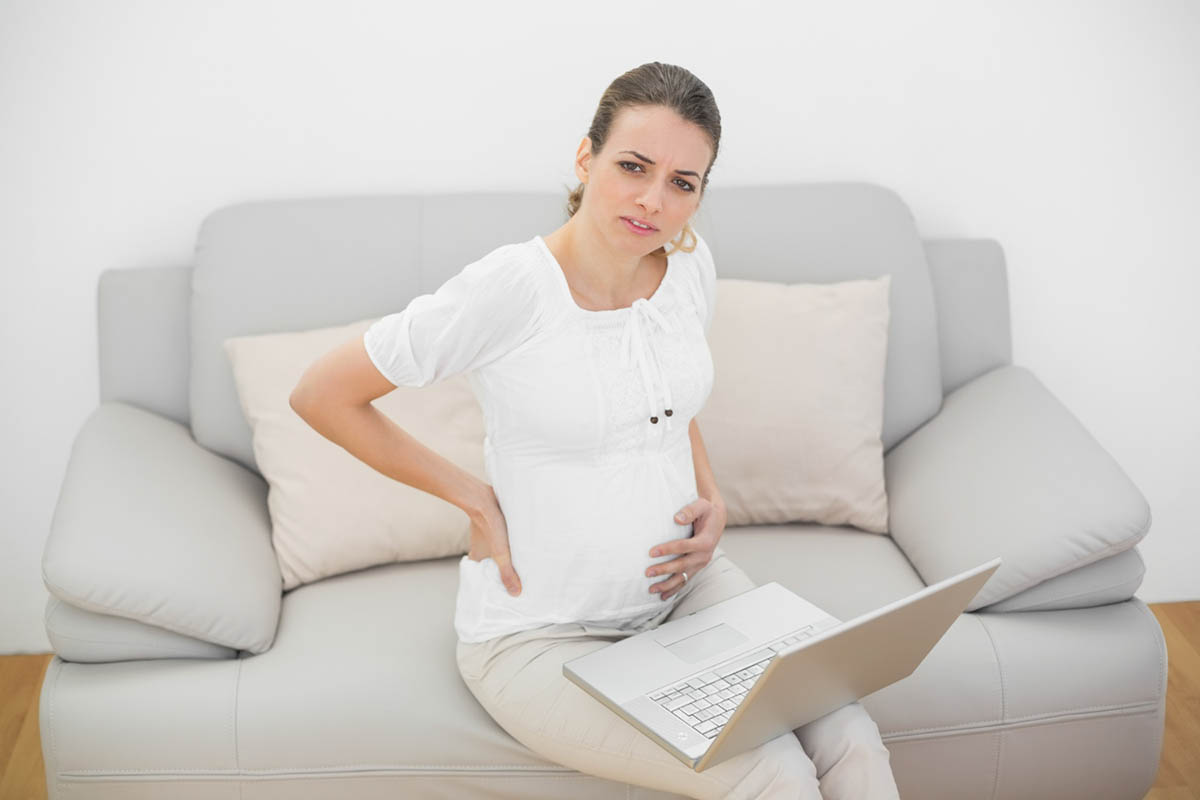
If you experience severe or persistent pelvic pain that interferes with your daily activities, it’s crucial to seek medical attention. Your healthcare provider can assess your symptoms, identify potential causes, and recommend appropriate treatments or referrals. Early intervention can help manage pain more effectively and prevent complications.
Conclusion
Relieving pelvic pain during pregnancy involves a combination of self-care strategies and professional guidance. Incorporating these dos and don’ts into your routine allows you to manage discomfort more effectively and enjoy a healthy pregnancy. Remember, each pregnancy is unique, so it’s essential to consult with your healthcare provider before starting any new treatments or exercises.
Pelvic Pain During Pregnancy FAQs
How can I relieve pelvic pain during pregnancy while sleeping?
You can help relieve pelvic pain during pregnancy while sleeping by lying on your side with a pregnancy pillow or pillows supporting your belly, back, and between your knees. This position helps keep your pelvis aligned, reduces pressure on the pelvic joints, and may improve comfort throughout the night.
Is walking good for pelvic pain during pregnancy?
Yes, gentle walking can help relieve pelvic pain during pregnancy if it does not worsen your symptoms. Keep your walks short, avoid uneven surfaces, and stop if the pain increases. Your healthcare provider or physical therapist can recommend a safe activity level for you.
When should I be concerned about pelvic pain during pregnancy?
You should contact your healthcare provider if pelvic pain during pregnancy is severe, persistent, suddenly worsens, or occurs with bleeding, fever, contractions, or difficulty walking. Prompt evaluation can help identify serious conditions and determine the most appropriate treatment.
What makes pelvic pain worse during pregnancy?
Pelvic pain during pregnancy often becomes worse with activities that place extra stress on the pelvis. Common triggers include standing for long periods, climbing stairs, carrying heavy objects, getting in and out of a car, or twisting while changing positions.
Where is pelvic pain usually felt during pregnancy?
Pelvic pain during pregnancy is commonly felt around the pubic bone, hips, groin, lower pelvis, or lower back. Some women also experience pain in the buttocks or inner thighs, especially when walking, standing, rolling over in bed, or getting dressed.