Achilles Tendon Pain From Running: How to Fix It Fast
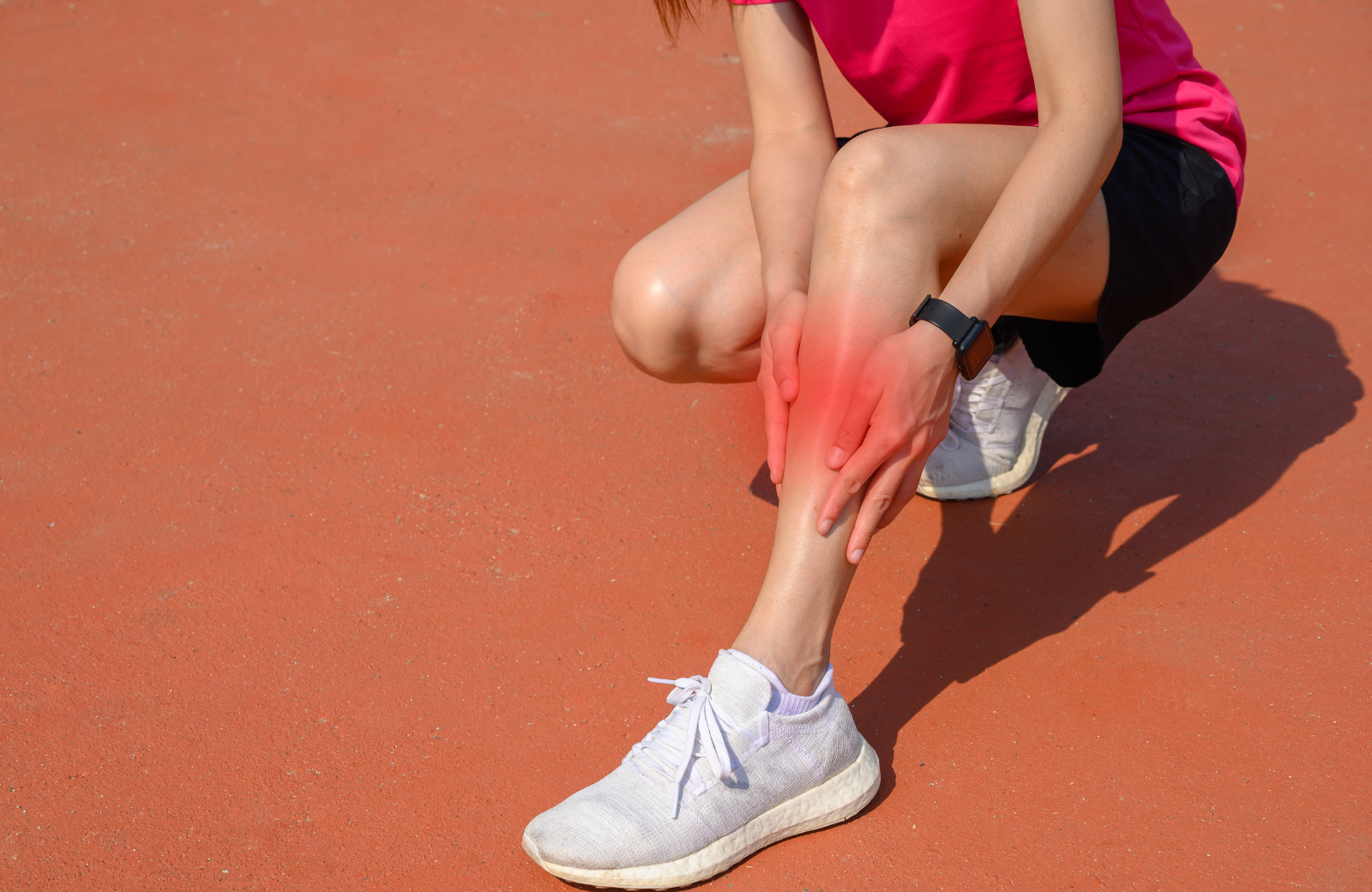
You head out for a run feeling ready, and a few minutes in, that familiar ache lights up in the back of your heel. Achilles

You head out for a run feeling ready, and a few minutes in, that familiar ache lights up in the back of your heel. Achilles

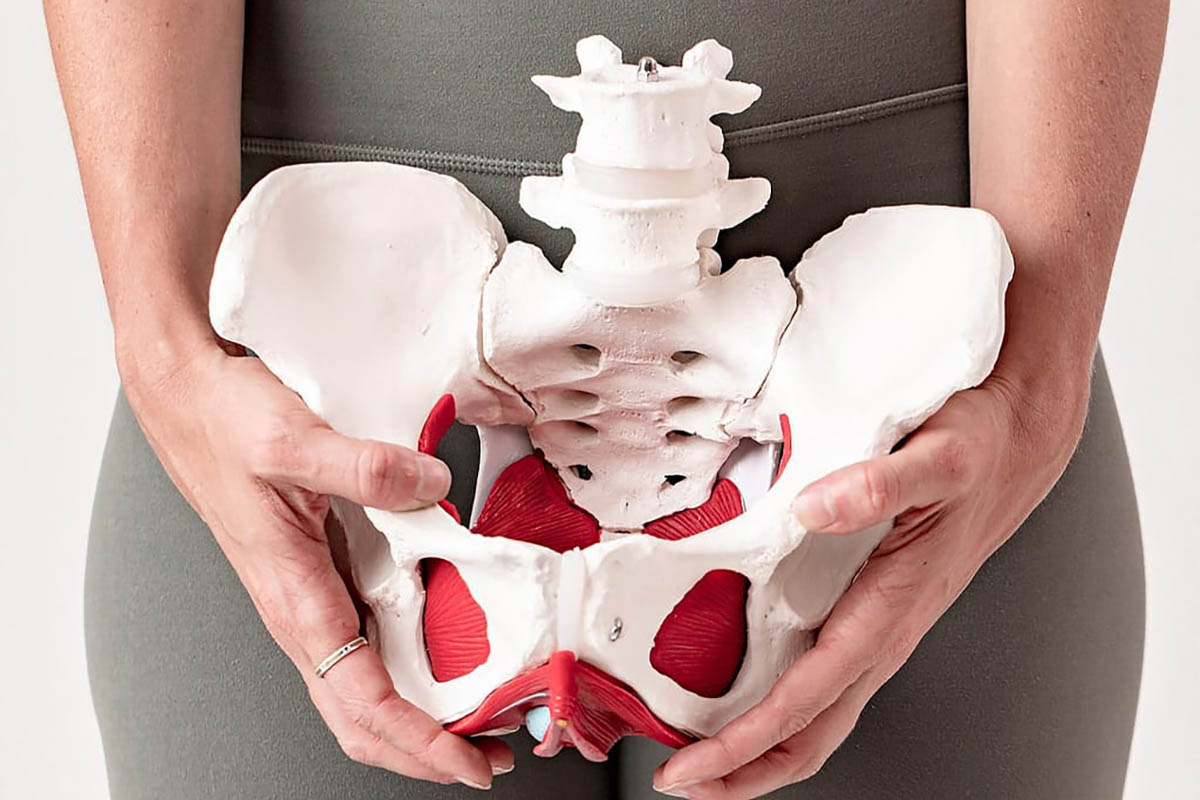
Discover how pelvic floor physical therapy helps women in all stages of life overcome pelvic issues, such as leaking, pain, and prolapse symptoms.

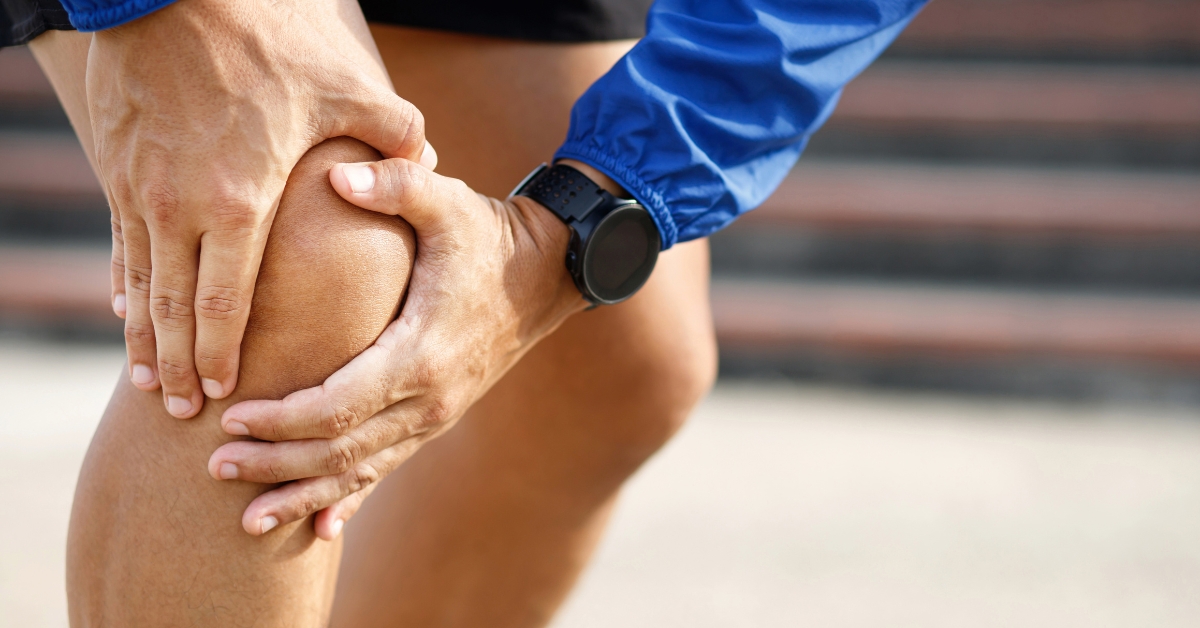
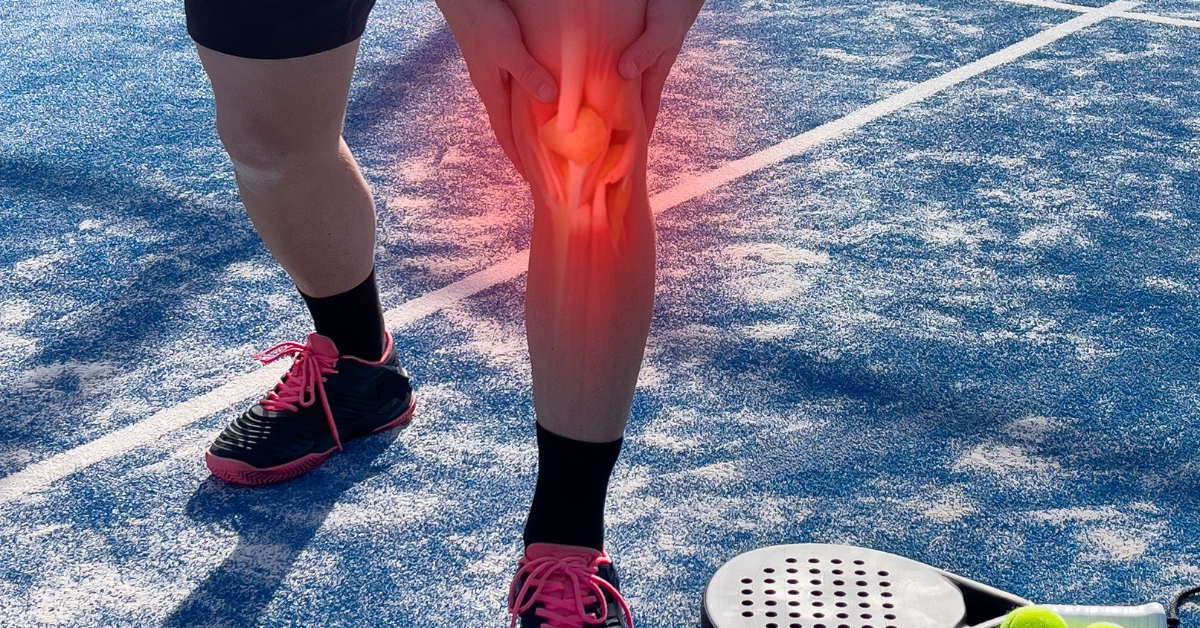
If you run, lift, climb, or stay active and your knee aches with every step, you want to know how to fix runner’s knee without

If you keep asking yourself, “Why do my feet hurt when I wake up?” and dread those first stiff steps out of bed, you are not alone, especially if you run, lift, climb, or chase kids all day.
Morning foot pain is incredibly common in active people, and it can be frustrating when it keeps showing up day after day.
That morning pain is not just “getting older” or something you have to accept. It is usually your body’s way of telling you that certain tissues are overloaded, stiff, or not doing their job well.
Maybe you stand at work for long hours, climb on weekends, or train hard in the gym, and all of that load shows up most clearly when you first get out of bed.
Learn what’s actually happening in your feet overnight, the most common causes of that first step pain, and simple ways to start easing it.

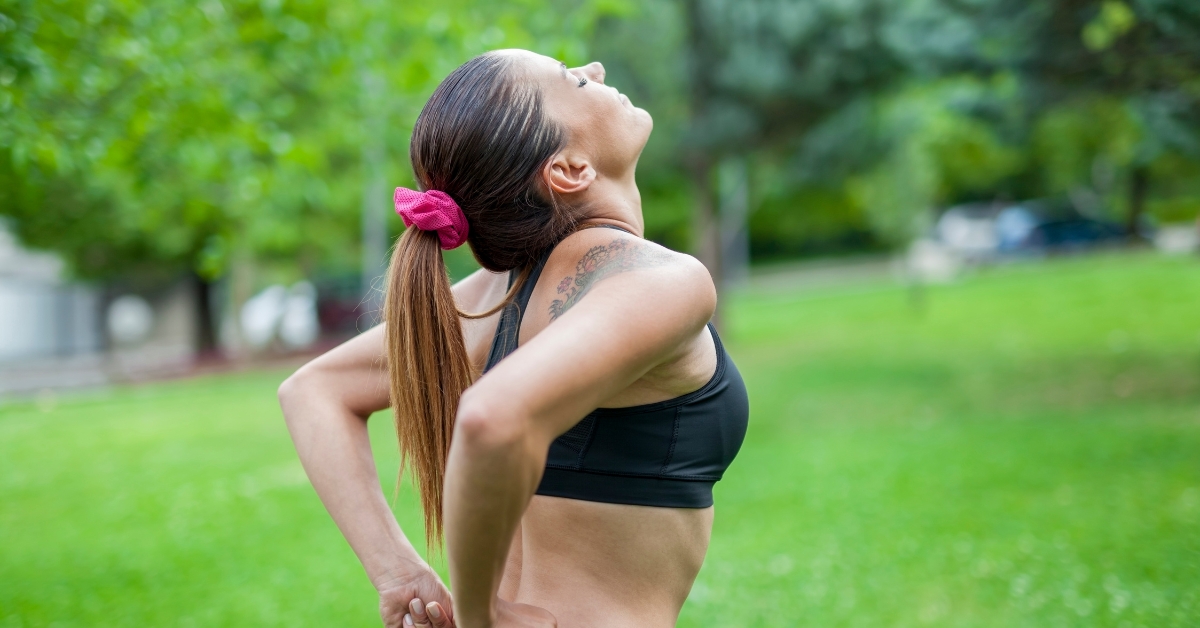
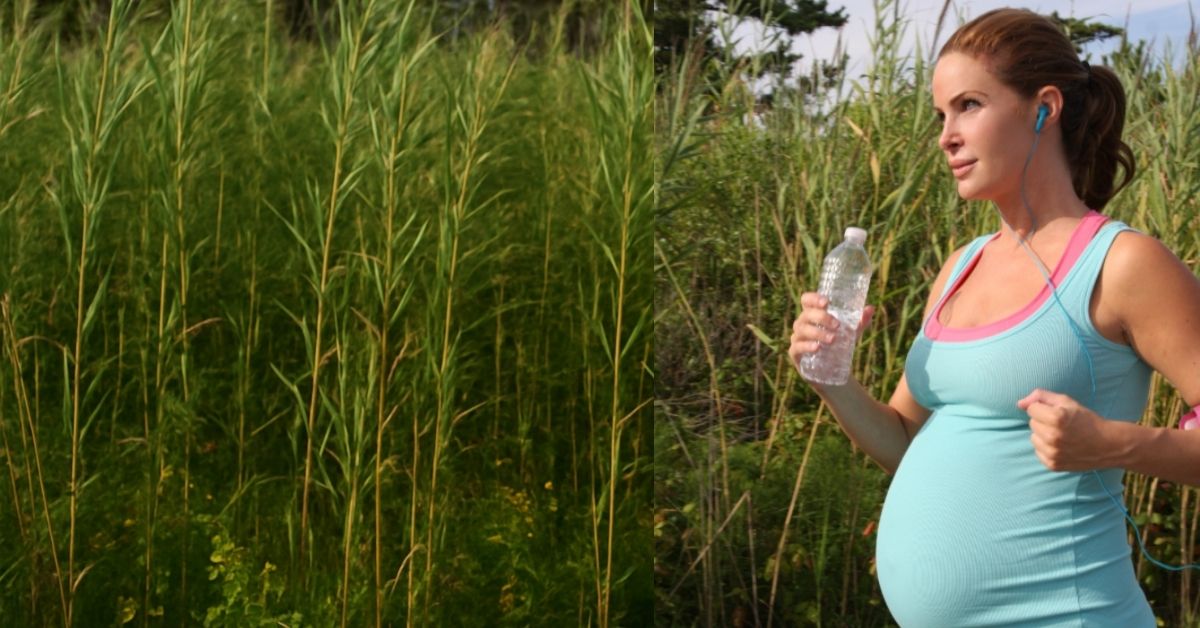
Hip pain during pregnancy can feel especially unfair when you love to move. You finally find your groove with running, lifting, hiking, or climbing, and suddenly every step or stride makes your hip grab or ache.
You still want to feel like an athlete, not just a passenger in your changing body. You want clarity on what is safe, what needs to change, and how to protect your body now so you can return stronger postpartum.

What is pelvic floor therapy? If you’ve ever felt like something “just isn’t right” in your core — whether it’s pain, pressure, or bladder changes — you’re not alone.
Pelvic floor therapy helps you understand and strengthen the muscles that support your bladder, bowel, and reproductive organs. It’s not just for new moms or athletes; it’s for anyone whose daily life is affected by discomfort or weakness in this area.
You learn how to move, breathe, and use your muscles in ways that make your body feel supported again. Most people are surprised by how much this therapy improves their confidence, posture, and even intimacy.
Here’s what we focus on together:
Reconnecting you to muscles that have been ignored or overworked
Teaching gentle exercises that restore coordination and strength
Reducing pain and improving control so you can return to normal activities
This isn’t a quick fix — it’s a process that helps your body relearn balance and strength from the inside out. And it starts with you simply noticing that something feels off and deciding it’s time to feel whole again.

If you’ve been told to “just do Kegels” to fix your pelvic floor, you’re not alone. But what most people don’t realize is that too many Kegels can actually make things worse. For many active adults, especially runners and lifters, the real solution starts with learning how to release tension through pelvic floor stretches that help your muscles move and relax the way they should.
Your pelvic floor works like any other muscle group—it needs strength, but it also needs flexibility and recovery. When those muscles stay tight, you may notice pain in your hips, lower back, or even while running or sitting.
That’s your body telling you it’s time to stretch, not squeeze.
In this blog, we’ll walk through simple, science-backed stretches that help restore balance and coordination to your pelvic floor, so you can move freely, breathe easier, and get back to feeling strong again.

You try every stretch and video online, but the pain keeps coming back. That’s because most neck pain exercises target the wrong problem.
Neck pain rarely comes from one muscle or one bad posture. It builds over time from poor movement habits, weak stabilizers, and daily tension you don’t even notice.
We see it all the time. You stretch the sore spot, but ignore the stiffness in your shoulders, the slumped position at your desk, or the tightness in your upper back.
Real progress happens when you train your body to move the way it’s meant to. That means:
• Strengthening the deep stabilizers of your neck and shoulder blades
• Correcting your alignment through mobility, not just stretching
• Rebuilding control so the pain doesn’t return after every workout or long workday
When you understand how your body connects, neck pain exercises stop being a short-term fix and start becoming a lasting solution.

You push your limits. You chase that next PR on the Poudre Trail, climb higher at Horsetooth Rock, or power through another CrossFit session — until your body finally tells you to stop. That’s when most runners turn to rest or quick fixes that never last.
At our sports injury clinic in Fort Collins, we take a different approach.
We know you’re not looking for someone to just “treat” you. You want to understand what’s really going on, fix it, and get back to training stronger than before. And at Up and Running Physical Therapy, we help you uncover the movement patterns, strength gaps, and recovery habits holding you back.
You don’t have to rely on painkillers, injections, or months of rest. Instead, we rebuild your movement from the ground up using movement and gait analysis and strength training designed specifically for runners. The result? You move better, recover faster, and feel unstoppable.
If you’re ready to train smarter, recover stronger, and keep running without the setbacks, our sports injury clinic is where your comeback begins.

When you ask yourself how many miles a week should I run, it’s easy to feel pulled in two directions. On one hand, you want to log enough miles to build endurance and see progress.
On the other, you worry about pushing too hard and risking injury.
The truth is, the answer isn’t one-size-fits-all. Your weekly mileage depends on your fitness level, training goals, and how well your body recovers between runs.
To figure out the right number for you, it helps to look at:
• Your current running base and experience
• The type of race or event you’re training for
• The time you realistically have each week
• How your body feels during and after runs
When you match your mileage to your goals and recovery, you can stay consistent, avoid setbacks, and keep running strong.

If you’ve been searching for exercises for lower back pain but feel lost in a sea of conflicting advice, you’re not alone. So many people waste time on generic routines that don’t target the real problem.
Your back pain doesn’t need random stretches or endless core work. What you need are smart, specific movements that ease tension, restore mobility, and actually keep the pain from coming back.
Here’s what happens when you choose the right approach:
You wake up without that constant ache.
You move through workouts without fear of a flare-up.
You start trusting your body again instead of guarding every step.
Stop settling for temporary fixes. Let’s dig into the exercises that actually make a difference.

Whether you’re running in Fort Collins, Boulder, Denver, or anywhere else in the country, smoke from wildfires in Colorado, the Pacific Northwest, or even Canada can change the air quality in a matter of hours. This guide is the one I wish I had back then: simple, practical, and built for athletes who need real answers about air quality index, PM2.5, when to take it indoors, and more!

A sprained foot feels like the end of your training plans, but it might be the turning point your running actually needs. When pain stops you mid-run, it forces you to face habits, training gaps, and recovery routines you’ve ignored.
Instead of seeing this as wasted time, think of it as a reset button. A sprain can highlight what your body is asking for and show you where stronger habits must be built.
You’ll discover:
Why pushing through pain sets you back longer
How recovery creates stronger performance
What runners overlook about training balance
The key role physical therapy plays in returning faster
Your foot injury doesn’t have to define you as an injured runner. It can be the exact push that helps you come back smarter, stronger, and more prepared for every mile ahead

You lace up ready for a great run, but halfway through, that familiar ache in your hip starts creeping in. By the time you’re done, it’s more than just a dull throb—it’s messing with your stride, your training, and your motivation. You’re left asking, “Why does my hip hurt after running?”
Hip pain after running isn’t always just “overuse” or “getting older.”
It can come from muscle imbalances, poor running mechanics, or even how your body recovers between workouts.
Sometimes it’s about flexibility. Other times, it’s your strength in key stabilizing muscles.
When you understand what’s really causing the problem, you can fix it for good instead of just pushing through or taking endless rest days. That’s how you get back to running without constantly worrying about your hip acting up again.

AJ Cohen’s drive toward running physical therapy began with his own struggles as an injured athlete.
His graduate school experience at a high-volume clinic, seeing multiple patients every hour, left him exhausted, and he even injured himself.
Though he pivoted into oncology and later worked in nursing homes, his passion for helping active adults and trail runners never faded.
Fueled by vision and frustration, he made the bold choice to start his own clinic tailored to what he believed physical therapy could be.

If you’re an active adult or runner, gluteal tendinopathy can feel like the silent injury that’s ruining everything. One day you’re crushing your training plan, and the next you’re limping after a short jog.
This injury doesn’t just cause discomfort. It gets in the way of your momentum, your race goals, and even your confidence.

Picture this: you’re watching a youth soccer game at Rolland Moore Park in Fort Collins. The energy is high, the kids are giving it their all, and then—one player pulls up, grabbing their knee in discomfort. This scene is all too familiar for many young athletes trying to find Osgood-Schlatter treatment that lets them stay active.
While it might sound intimidating, Osgood-Schlatter is a manageable condition that, with the right physical therapy, doesn’t have to sideline your child from the sports they love.

Foot pain can throw off everything—from your morning run to walking across the kitchen. If you’ve got a sharp, stabbing feeling in your heel, chances are plantar fasciitis is the culprit. But can specialized plantar fasciitis shoes really stop the pain?
Let’s look at how these shoes work and whether they’re worth your time and money.
If you’re trying to get back to pain-free movement without giving up your routine, you’re in the right place. Let’s break it down in a way that actually makes sense.

We hear this question all the time: “Should I workout when sore or in pain?” However, the answer isn’t always clear-cut.
At Up and Running Physical Therapy, we see active adults across Fort Collins doing all the “right” things—hitting Spring Creek Trail, lifting at Miramont, summiting Horsetooth—and still ending up sidelined with low back pain.
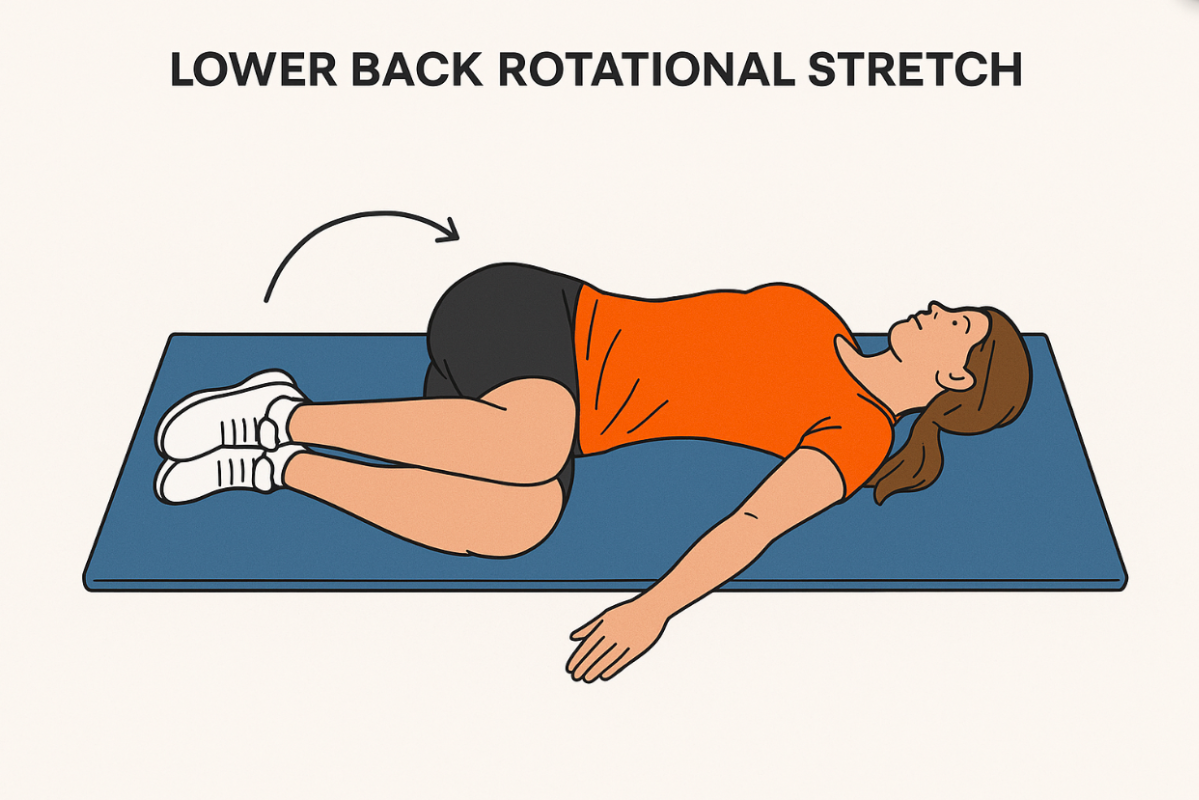
Lower back pain can sneak up on you and wreck your day. Whether you’re running, lifting, or just sitting too long, that ache can make everything harder than it needs to be. But how do you find the lower back stretches that actually help?
You deserve real relief that helps you move freely and feel strong again. And the right lower back stretches, simple moves that can change how your body feels and performs, can get you there.
In this guide, you’ll discover stretches that target those tight, sore spots fast. You’ll also learn when and how to use them so you can get back to doing what you love.

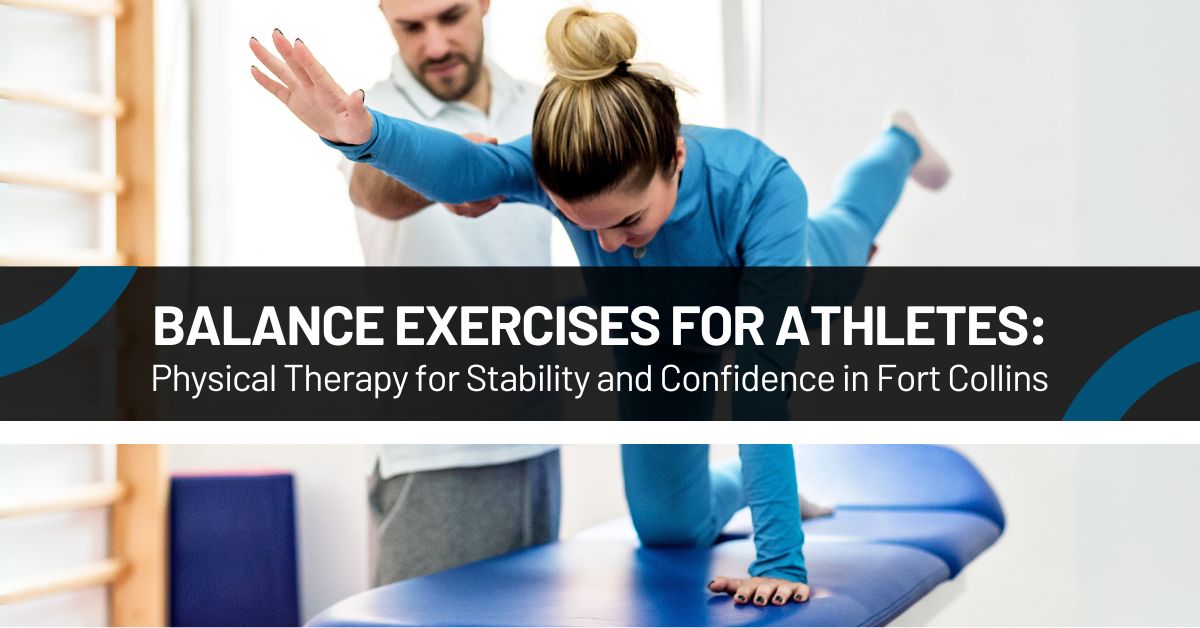
Imagine walking through Old Town Fort Collins, surrounded by the charm of locally-owned shops and the scenic beauty of the Cache La Poudre River. Now, imagine trying to navigate those same streets with a constant fear of falling. That’s where balance exercises for athletes can help you get back in the game!
Whether it’s a trip over uneven pavement or a stumble on one of our beautiful hiking trails, balance issues can drastically affect your quality of life.
But what if we told you that physical therapy could be your ticket to restoring your balance and confidence?

You try to exercise and there it is again—sharp, stubborn knee pain when squatting. Whether you’re lifting in the gym or getting low to pick something up, the pain keeps showing up like an uninvited guest.
It’s frustrating. You stretch, warm up, adjust your form, maybe even rest for a few days… and still, that pain flares right back up. If you’ve been told it’s just something to push through or chalked it up to aging, you’re not alone.
But here’s the truth:
Knee pain when squatting is common, but it isn’t normal. And it doesn’t mean you have to give up your workouts or settle for temporary relief.
At Up and Running Physical Therapy in Fort Collins, we help active adults and athletes fix this exact issue—without pills, surgery, or being told to stop doing what they love.
In this post, you’ll learn:
• Why your knee pain keeps coming back
• The most overlooked reasons squatting hurts
• How our 3-Step Method relieves pain and builds strength

You’re on a trail at Horsetooth, halfway through your run, and you feel it again, that sharp pull or deep ache behind your knee when bending. You stop, stretch, maybe even shake it out, but it lingers.
You’re not alone. We see this kind of pain all the time here in Fort Collins, especially in runners, hikers, and CrossFit athletes who push hard and expect their bodies to keep up.
It might show up as:
• A sudden pinch when you kneel
• A tight pull when squatting at the gym
• An ache that flares up after long bike rides down the Poudre trail
The pain might not be coming from where you think. And if you’ve tried foam rolling, stretching, or even resting with no luck, it’s time to dig deeper.

You work hard to stay active, but something keeps throwing you off. Nagging aches, sore knees, tight hips. It’s frustrating when you’re putting in the miles and still ending up on the treatment table. But the truth is that proper running form myths may be keeping you there.
Many runners think their issues come from pushing too hard or not stretching enough. But the real problem might be your form. And even more surprising? It could be the so-called “proper running form” advice you’ve been following.
Let’s clear up the confusion so you stop repeating mistakes that lead to injury. These common myths don’t just slow you down. They set you up for pain.
Here’s what most runners in Arizona don’t realize:
Good form isn’t about looking perfect
Some popular tips actually increase your risk of injury
Your body type and mechanics matter more than internet advice
You deserve to run without pain. And it starts with tossing out the myths

If you’re dealing with a torn meniscus, you’re probably frustrated, in pain, and wondering if surgery is your only option. The good news? It’s often not. Many times, it’s possible to learn how to heal a torn meniscus naturally.
You can support your body’s natural healing process with a few intentional choices and a little patience. It starts with understanding how your meniscus works and what it needs to recover.
This kind of tear doesn’t heal overnight, but if you give your knee the right environment to heal, you can often avoid the knife.
Whether you’re headed for the Coyote Ridge Trail or the Horsetooth Rock Trail Loop, our goal is to get you up and running again! So let’s look at practical, natural ways to ease the pain, reduce inflammation, and get you moving again, without rushing into surgery.

Imagine training for months to run the Horsetooth Half Marathon, only to be sidelined by knee pain weeks before race day. Unfortunately, this is a reality for many runners who neglect proper knee care. So, how to keep knees healthy?
Studies show that the knee joint is one of the most vulnerable areas for overuse injuries. But here’s the good news: with the right approach, you can:
Bulletproof your knees
Reduce injury risk
Enhance your performance

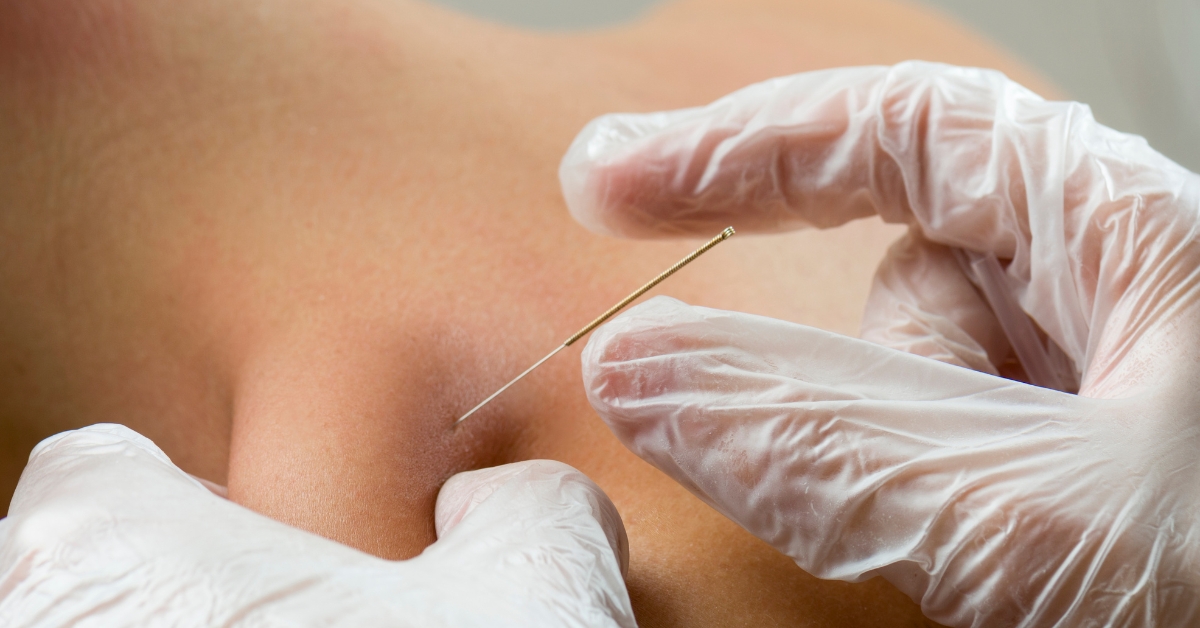
If you’ve ever dealt with muscle pain that won’t go away, dry needling might be the solution you haven’t considered. This technique uses thin needles to target trigger points—tight knots in your muscles that cause discomfort and limit movement.
Unlike acupuncture, which follows traditional Chinese medicine principles, dry needling is based on modern science. It helps by:
Releasing muscle tension
Reducing pain and inflammation
Improving blood flow and mobility
Many people feel relief after just one session. If you’re struggling with stubborn pain, dry needling could be the key to getting back to feeling your best.

Running in Fort Collins means enjoying scenic trails, high-altitude training benefits, and a strong running community. But if you’re struggling to improve your speed or endurance, it might be time to fine-tune your approach. Small adjustments to your form, strength, and conditioning can make a big difference.
At higher elevations, your muscles work harder to get the oxygen they need. Without the right training, you may feel fatigued faster or struggle to maintain your pace. The most common obstacles runners face include:
– Inefficient running form that drains energy
– Muscle imbalances that slow down your stride
– Poor breathing control that leads to early fatigue
– A lack of endurance training that limits your progress
The good news is that with the right strategies, you can train smarter, run faster, and go farther. Whether you’re preparing for a local race or just want to enjoy longer runs in the Colorado foothills, targeted physical therapy can help you reach your goals.

Physical therapy is not just for those recovering from surgery or injury. It’s a powerful tool for anyone looking to improve their balance, reduce the risk of falls, and regain a sense of stability in daily life. Balance exercises can also enhance athletic performance by developing essential skills like stability, strength, and agility.
In Fort Collins, where the active lifestyle is a part of the community’s DNA, maintaining good balance is essential for enjoying everything from a leisurely walk along Spring Creek Trail to tackling more challenging routes like Horsetooth Mountain.
In this blog post, we’ll dive into how physical therapy addresses key factors like hip and ankle stability, vestibular function, and eye movement coordination to enhance balance. By the end, you’ll understand why physical therapy might just be the most effective, long-term solution to improving your balance and reducing fall risks.

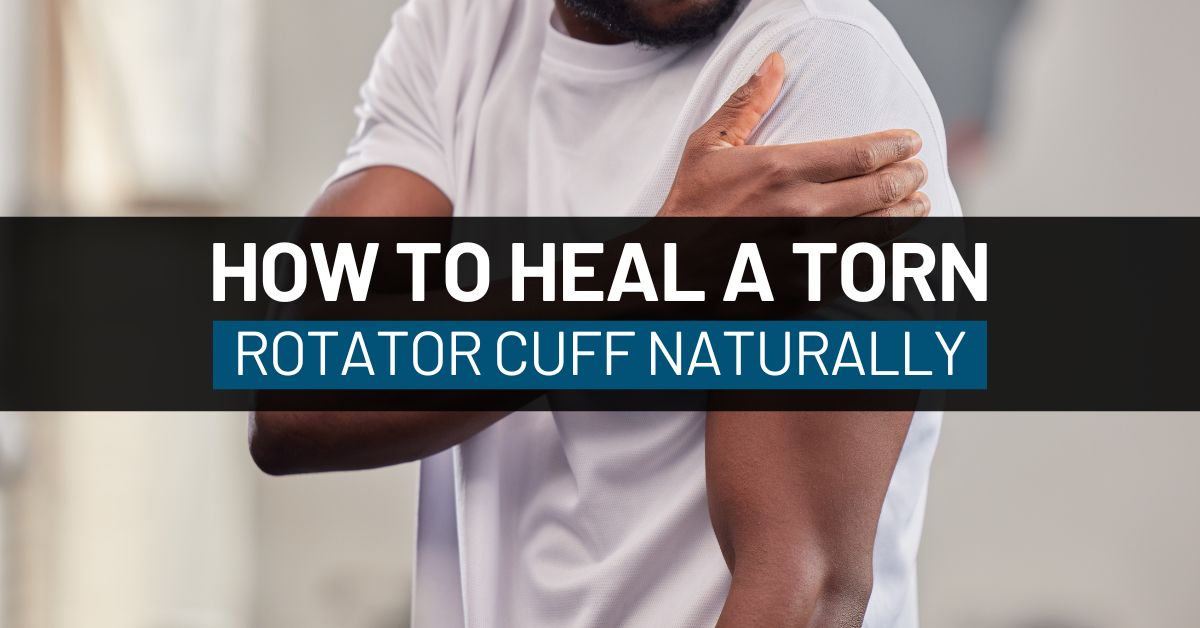
A torn rotator cuff can make even simple movements feel impossible. Reaching for a glass, lifting a bag, or even sleeping comfortably becomes a challenge. You want to know how to heal a torn rotator cuff naturally, but is that possible?
The good news? Many rotator cuff tears don’t need surgery. With the right approach, your body can heal itself.
Natural recovery takes patience, but it’s possible with a mix of rest, gentle movement, and targeted therapies. The key is reducing inflammation, strengthening supportive muscles, and avoiding further strain.
You don’t have to live with pain or limited mobility forever. Let’s go over the best ways to help your shoulder heal without surgery.

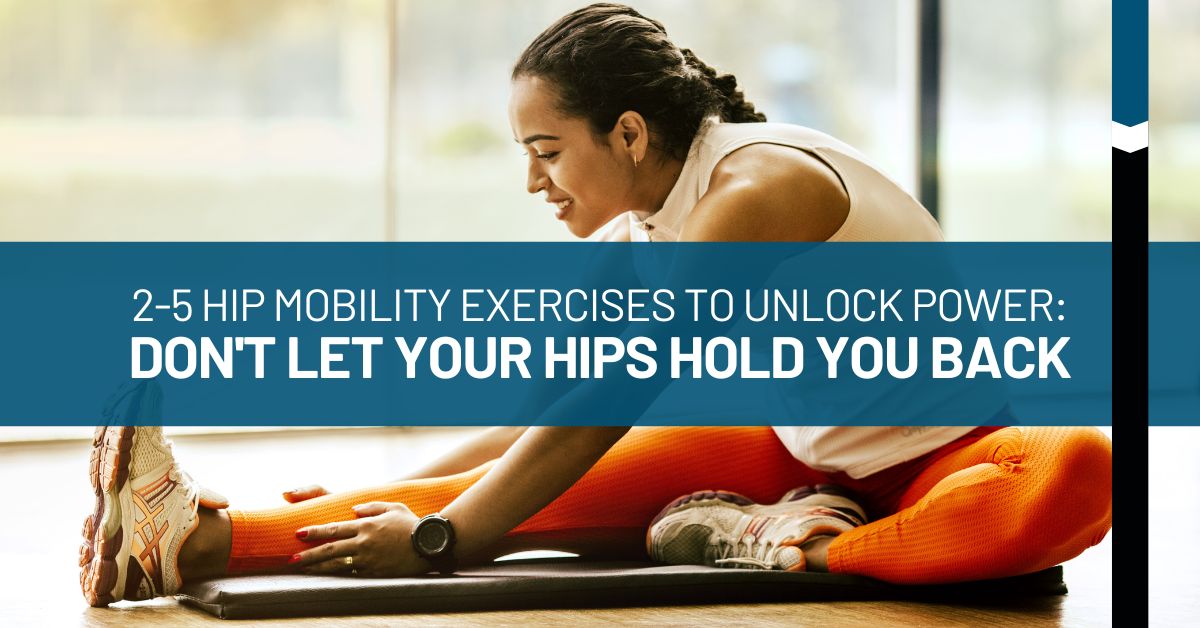
When it comes to staying active and pain-free, your hips play a more vital role than you might think. Poor hip mobility doesn’t just affect your hips—it has a ripple effect on your entire body. The good news is hip mobility exercises can make all the difference!
If you’re an active adult or an outdoor enthusiast, improving your hip mobility can be the key to enjoying activities like hiking at Horsetooth Reservoir or running along Spring Creek Trail without pain.
But here’s the kicker: neglecting your hip mobility could lead to long-term issues like:
– Low back pain
– Knee discomfort
– Even Achilles problems
If your hips aren’t doing their job, other areas of your body will have to pick up the slack—and that often leads to pain or injury.
So, how can you improve your hip mobility, stay strong, and move better? Incorporating a hip mobility exercise routine can be the solution.