If you run, lift, climb, or stay active and your knee aches with every step, you want to know how to fix runner’s knee without giving up the things you love. You care about staying strong, staying in motion, and getting real answers instead of another “just rest it” plan that never quite works.
Runner’s knee is one of the most common reasons active adults back off training or miss a race. It hurts on stairs, during squats, on hills, or even when you sit too long, and it can make you feel like your body is holding you back from your goals.
The good news is that most cases of runner’s knee can improve with the right mix of smart training changes, targeted strength work, and a clear plan. You do not have to rely on pain pills, injections, or surgery to get back to running, lifting, or weekend adventures.
In this blog, you learn what runner’s knee really is, what actually causes it in active adults and athletes, and the key steps to fix it for good. You also see how a performance focused approach helps you return not just to daily life, but to the level of activity you want.
How To Fix Runner’s Knee: Understand The Problem Before You Fix It
What Runner’s Knee Actually Is And Is Not
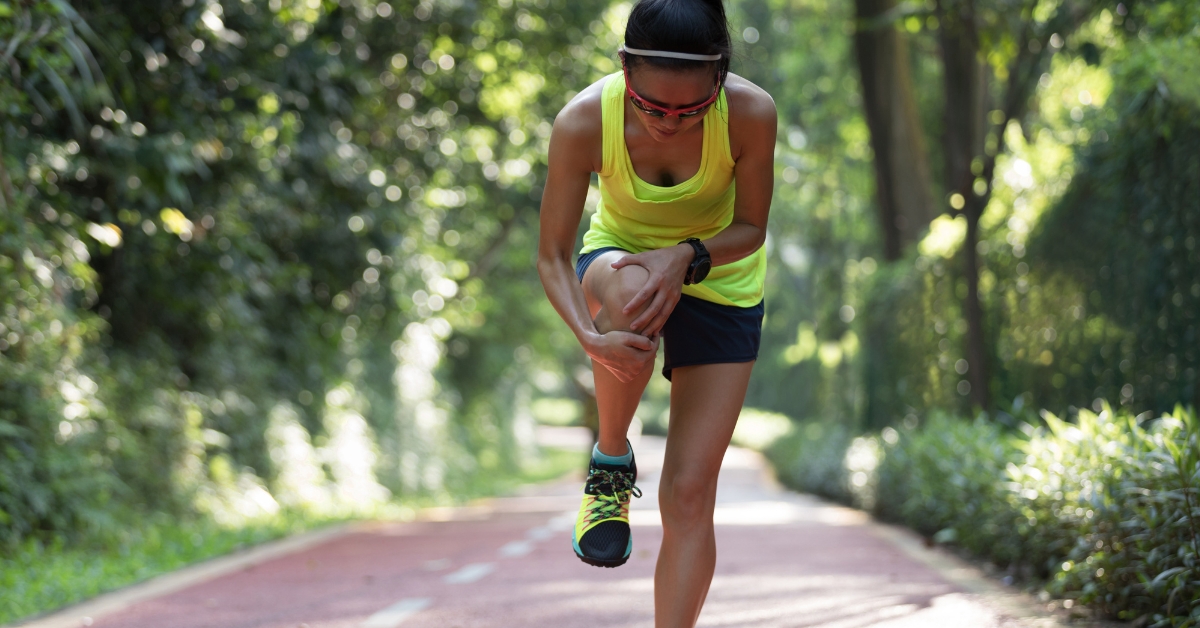
Runner’s knee is a nickname for pain around or behind the kneecap, most often called patellofemoral pain. The pain usually shows up in the front of the knee, especially when the joint has to handle more load.
Typical situations that fire it up include:
- Running, especially downhill or on hills
- Going up or down stairs
- Squats, lunges, or deep knee bends
- Sitting for a long time with knees bent, such as at a desk or in a car
The pain can feel sharp with certain moves and dull or achy later. Some people notice creaking or grinding under the kneecap, but that sound alone does not mean damage.
A lot of people call any knee pain “runner’s knee”, but not all knee pain fits this pattern. Other issues that often get confused with it include:
- Iliotibial band irritation on the outer knee
- Meniscus injuries inside the joint
- Arthritis deeper in the knee
These problems behave differently, so they need a different plan. This is why it helps to pay attention to where you feel pain, what makes it worse, and how it reacts to rest or movement.
Common Causes In Active Adults And Athletes
Runner’s knee rarely comes from a single bad step. It usually builds over time from how you train, how you move, and how strong your support muscles are.
For active adults and athletes, the usual culprits include:
- Training errors
- Strength and control gaps
- Movement patterns that overload the knee
- Sudden changes in terrain or footwear
Training errors often show up in patterns such as:
- Sharp jumps in weekly mileage or step count
- Adding speed work, hills, or long races too quickly
- Doing back to back hard days with no real recovery
- Starting a get back in shape kick at full throttle after time off
Muscles and joints tend to like progress, not surprises. When you spike stress faster than your body can handle, the knee often speaks up first.
Strength and control also matter a lot, especially around the hips, quads, and calves. If those areas cannot handle the load, the knee takes on extra work every step.
Common strength and control issues include:
- Weak glutes that let the knee cave inward
- Quads that lack strength at deeper angles of knee bend
- Calves that fatigue quickly and stop sharing impact forces
- Poor balance on one leg, which shows up in single leg moves and running
Movement patterns can add to the problem. You might notice that your knee drops inward during squats, lunges, or landing from a jump, that your stride is long and heavy when you run, or that your upper body leans back or collapses side to side as you move.
Footwear and terrain can push things over the edge. Worn out shoes, a sudden switch to very minimal shoes, or a big jump in hill running all increase stress on the kneecap.

A Simple, Proven Plan To Fix Runner’s Knee And Stay Active
Step 1: Calm The Pain Without Stopping All Activity
There is no need to throw your running shoes or barbell in the closet. The first goal is to calm your knee down while you keep as much movement as your body tolerates.
Think about turning the volume down, not hitting mute. The idea is to keep your body active, but bring the irritation under control.
You can start by adjusting:
- Distance, by cutting total weekly miles or time on feet by around one third at first
- Intensity, by pausing hard intervals, sprints, and heavy plyometrics
- Hills, by sticking to flatter routes while the knee settles
- Depth, by shortening your range in squats and lunges to pain free or low pain levels
A simple rule that helps many athletes is this. Mild discomfort during activity is often acceptable if it stays under a three out of ten and settles within twenty four hours.
If pain climbs sharply or lingers for more than a day, that session was probably too much. You can take that feedback and adjust the next time.
Good cross training options that keep your engine strong include:
- Cycling with controlled resistance
- Elliptical or stair machine at a comfortable pace
- Pool running or swimming
- Upper body and core strength sessions
Ice or heat can help you feel better, although they do not fix the root problem. Ice can help reduce soreness after activity, and gentle heat can ease stiffness before activity.
The key is to combine symptom relief with smarter movement and load. That combination helps calm the knee while you keep your body in motion.
If runner’s knee keeps slowing you down, there is no need to keep guessing or hoping it improves on its own. A clear, personalized plan can fit your sport, your schedule, and your goals.
Up and Running Physical Therapy offers a Free Discovery Call with a Doctor of Physical Therapy so you can talk through what is going on, what you want to get back to, and whether our approach is the right fit for you. There is no pressure, only honest guidance that respects your goals as an active person.
To get started, call our team at (970) 500 3427 and ask about your free Discovery Call. This is a strong first step toward confident, pain free movement that lets you stay up and running in every part of your active life.
Step 2: Strengthen The Right Muscles For Long Term Relief
To really fix runner’s knee, you need strong muscles that support the joint under load. That foundation comes from targeted strength work, not just stretching.
The main areas to focus on include:
- Hips and glutes
- Quadriceps
- Calves and feet
- Core control
For hips and glutes, useful exercises include:
- Side steps with a band around your legs
- Single leg bridges from the floor or a bench
- Standing hip stability drills such as hip airplanes or variations of them
These build control so your knee tracks better with every step and rep. Strong hips help keep your knee lined up over your foot instead of dropping inward.
For the quadriceps, you want strength through a range of knee bend. Helpful options include:
- Spanish squats using a strap or thick band behind the knees
- Step downs from a low box or step
- Split squats or lunges, starting with bodyweight and building up slowly
Focus on controlled movement, not just getting through the set. If your knee caves in or pain spikes, reduce weight, slow down, or change the depth.
Calf and foot strength help your lower leg stay stable and share impact. You can add:
- Double and single leg calf raises
- Short foot drills to train foot muscles
- Tiptoe holds to build endurance and control
Aim to work strength two to three days per week at first. Start light enough that pain stays low, then slowly increase weight, tempo, or range of motion as your knee allows.
Step 3: Fix Movement Patterns That Keep Irritating Your Knee
Even strong muscles cannot help much if your movement continues to overload one spot. Technique and body control play a big role in keeping runner’s knee away.
Common form issues in runners include:
- Overstriding, where your foot lands far in front of your body
- Very low cadence, which often means more impact per step
- Upright or backward leaning posture that drives forces into the front of the knee
You can experiment with small form changes such as:
- Slightly shorter, quicker steps to increase cadence
- A small forward lean from the ankles, not the hips
- Relaxed arms and shoulders to reduce extra bounce
These changes spread load more evenly across your legs and hips. They should feel smooth and natural rather than stiff or forced.
In the gym, common problems that bother the knee include:
- Knees caving inward during squats or lunges
- Letting the weight shift fully to the toes at the bottom of a rep
- Rushing through single leg work without control
You can clean this up by:
- Watching your knee track over your middle toes
- Keeping your whole foot on the floor, not just the front
- Slowing down the lowering part of each rep for better control
Video and a detailed running form assessment can reveal patterns that repeat under load and help guide the right corrective strategies.
Step 4: Build Back To Pain Free Running And Training
Once knee pain calms and strength improves, you want a clear way to return to your sport. A structured plan helps you earn your way back instead of guessing and hoping.
For runners, a walk and run progression is often very helpful. It lets you test the knee in short bursts, then adjust based on how it responds.
A simple approach might look like this:
- Start with short intervals, such as one minute run and two minutes walk for fifteen to twenty minutes total
- If pain stays low during and the next day, gradually lengthen the run intervals and trim the walk breaks
- When you can run comfortably for twenty to thirty minutes, begin to add distance or gentle hills
Use the same pain guideline as before. Brief, mild discomfort that settles quickly is usually acceptable, but spikes or lingering pain mean you probably pushed too far.
For lifters and field athletes, progress can follow a simple pattern:
- Phase one with lighter loads, high control, and limited depth
- Phase two with heavier loads, more depth, and added single leg strength
- Phase three with more power, jumps, and sport specific drills once the knee handles strength work well
Climbers and weekend athletes can use similar ideas. Start with easier routes and less time in deep knee bend, then gradually add more drop knees, squats on the wall, and controlled impact from jumping down or falling safely.
The goal is not just to feel okay on easy days. The real win is a knee that can handle the full range of what your sport demands.
Step 5: Prevent Runner’s Knee From Coming Back
Once your knee feels better, it is very tempting to stop doing the things that helped. That is often when old pain sneaks back in.
You can reduce the chance of repeat flares with a simple maintenance plan that fits your life. This does not need to be complicated or time consuming.
Useful habits include:
- Two short strength sessions each week for hips, quads, and calves
- A quick dynamic warm up before runs or hard training
- Small, steady increases in training load instead of big jumps
A sample warm up could include:
- Light jog or bike for three to five minutes
- Leg swings front to back and side to side
- Bodyweight squats and reverse lunges
- A few short, quick strides or pick ups if you run
Pay attention to early warning signs. If you notice that stairs, hills, or squats feel more annoying than usual, treat that as helpful feedback instead of a crisis.
You can respond by trimming a bit of volume that week, adding an extra strength session, or spending more time on movement quality in the gym. With that approach, runner’s knee becomes a manageable signal, not a season ending problem.
How Up And Running Physical Therapy Helps You Beat Runner’s Knee
Getting out of knee pain as an active adult is not just about fixing a joint. It is about helping you stay in the sports and activities you love without feeling fragile or limited.
At Up and Running Physical Therapy, the focus stays on athletes first, not just symptoms. The goal is to understand how your body moves, loads, and performs so you can come back stronger, not just patched up.
One On One, Athlete Focused Assessment
Sessions are one on one with a Doctor of Physical Therapy who listens to your story, watches how you move, and builds a plan around your goals. There is no rushed visit or generic routine that ignores your sport.
We look at more than just your knee. We check your hips, feet, strength, control, and how your training or sport might be feeding into pain.
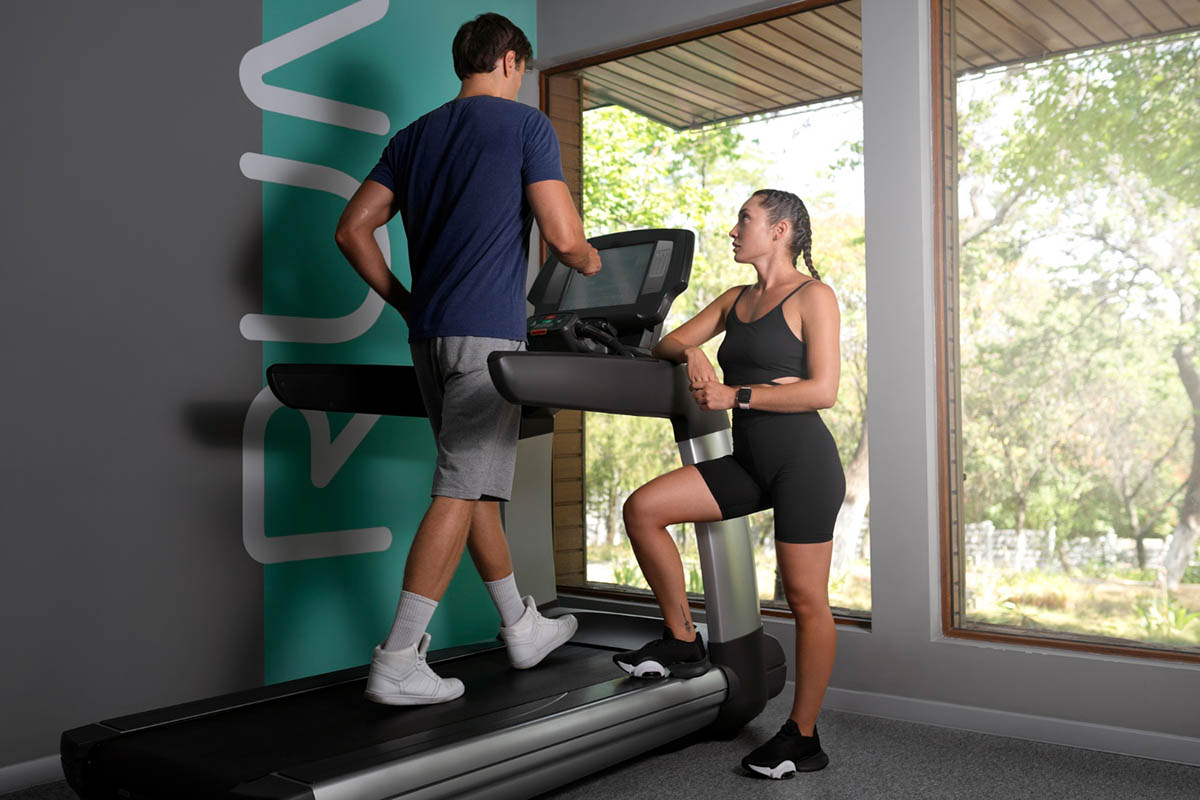
For runners, we may analyze your gait and stride. For lifters, climbers, and weekend warriors, we dial in how you squat, lunge, land, and load the lower body.
The goal is simple and clear. We want to understand exactly why your knee hurts so you know exactly what to do about it.
The Three Step Recovery Method For Long Term Results
A clear, performance based framework keeps the process simple and understandable. The three step recovery method gives structure so you always know what the current focus is.
The method includes:
- Step one to calm the irritation while protecting your fitness
- Step two to restore strength and movement control
- Step three to rebuild performance and resilience
In step one, we reduce pain and swelling, adjust your training plan, and keep you moving in ways that feel safe and productive. This step protects your capacity while the knee settles down.
In step two, we target the weak links that stress your knee, such as hips, quads, and calves, and we clean up patterns in running, lifting, or daily movement. This creates a stronger base that can handle more load.
In step three, we help you return to running, climbing, lifting, or sport with a progressive, sport specific plan so you leave feeling more durable than when you walked in. Each step is tailored to you and your goals.
There is no standard knee sheet or generic list of exercises handed out to everyone. The plan reflects what your body needs and how you want to move.
Performance Rehab For Runners, Lifters, Climbers, And Aging Athletes
Most active adults are not simply trying to walk without pain. Many want to run local trails, finish gym workouts, climb, hike, ski, or play weekend sports and still feel good the next day.
Aging athletes often want to maintain speed, strength, and mobility, not just get by. That mindset shapes the way rehab should look.
Plans at Up and Running Physical Therapy are built around those real life goals. Sessions can include strength training, running or movement analysis, and clear progressions that match your season, races, or adventures.
The job on our side is to help you feel confident loading your knee again. Your job is to show up ready to move and put in the work.
Support For Northern Colorado’s Active Community
Fort Collins and the surrounding Northern Colorado communities have a strong active culture. Trails, races, gyms, and outdoor adventures are part of everyday life here.
We stay connected to that environment. There is an understanding of what local races, routes, and training spots demand from your body, and rehab is designed to fit right into that world.
You do not receive generic advice that ignores where you actually train. Guidance makes sense for how and where you move right now, whether that is on singletrack, in a climbing gym, or in a weight room.
Ready To Take The Next Step
If runner’s knee keeps slowing you down, there is no need to keep guessing or hoping it improves on its own. A clear, personalized plan can fit your sport, your schedule, and your goals.
Up and Running Physical Therapy offers a Free Discovery Call with a Doctor of Physical Therapy so you can talk through what is going on, what you want to get back to, and whether our approach is the right fit for you. There is no pressure, only honest guidance that respects your goals as an active person.
To get started, call our team at (970) 500 3427 and ask about your free Discovery Call. This is a strong first step toward confident, pain free movement that lets you stay up and running in every part of your active life.