Pelvic floor manual therapy uses hands-on techniques to reduce pain, improve muscle function, and restore healthy movement in the pelvic floor. It can help people experiencing pelvic pain, urinary incontinence, muscle tension, or other forms of pelvic floor dysfunction.
Alongside targeted exercises and movement training, manual therapy is an important part of pelvic floor physical therapy that addresses the underlying causes of symptoms rather than simply managing them. This guide explores some of the most effective pelvic floor manual therapy techniques and how they can help improve pelvic health and provide lasting relief.
Key Takeaways:
- Pelvic floor manual therapy uses hands-on techniques to improve pelvic function.
- Different techniques target pain, muscle tension, weakness, and mobility.
- Treatment plans are tailored to each person’s symptoms and goals.
- Manual therapy is often combined with pelvic floor exercises for better outcomes.
- A pelvic floor physical therapist can determine which techniques are right for you.
The Power of Pelvic Floor Manual Therapy
Pelvic floor manual therapy involves hands-on techniques to ease tension, strengthen muscles, and improve control in the pelvic area. This therapy can benefit those struggling with incontinence or pelvic pain. With the growing popularity of physical therapy, “manual pelvic physical therapy near me” is a growing search phrase for many people.
Top Pelvic Floor Manual Therapy Techniques
Understanding the anatomy and function of the pelvic floor muscles is essential in addressing pelvic floor dysfunction effectively. Pelvic floor physical therapy is a specialized field that offers a variety of tailored exercises and techniques to meet individual needs. These therapies are designed to strengthen, stretch, and relax the pelvic muscles, improving overall pelvic health. From addressing specific problems like incontinence to general wellness, pelvic floor therapy exercises can be customized to relieve and restore functionality. Let’s delve into some of the most powerful techniques in this therapy.
Kegel Exercises: The Foundation of Pelvic Health
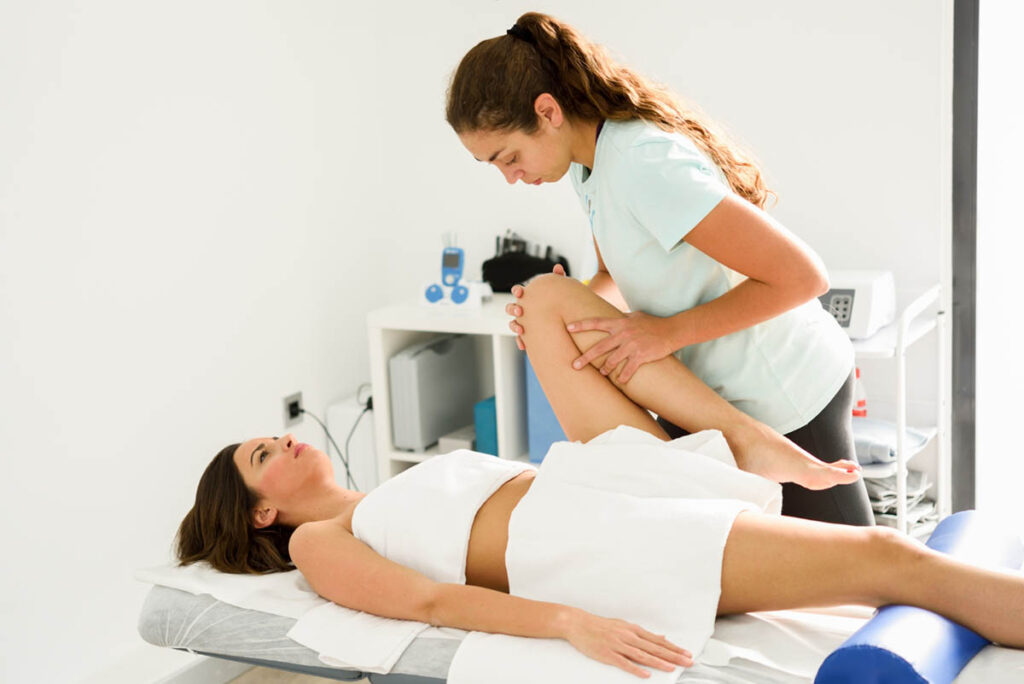
One of the cornerstones of pelvic floor manual therapy is Kegel exercises. These exercises are designed to strengthen the muscles and support the pelvic organs. By contracting and relaxing the muscles, you can significantly improve pelvic health. Many experts recommend Kegels for both men and women as a fundamental practice in manual pelvic floor release.
Myofascial Release: Unwinding Tension
Myofascial release is a gentle, hands-on pelvic floor manual therapy technique. It involves stretching and massaging the connective tissue to reduce tension and improve flexibility. This method can be particularly beneficial for those who carry chronic tension in their pelvic area, as it helps to realign the tissue fibers and promote more natural movement. Myofascial release supports overall physical well-being and comfort by fostering greater elasticity in the connective tissue.
Biofeedback Training: Mind Over Matter
This therapy utilizes electronic devices to monitor and display information about muscular activities in the pelvic area. By understanding how these muscles function, you can learn to control them better. Manual pelvic physical therapy, including biofeedback, has shown promising results in treating various pelvic floor dysfunctions, according to studies from the Mayo Clinic.
Trigger Point Therapy: Targeted Relief
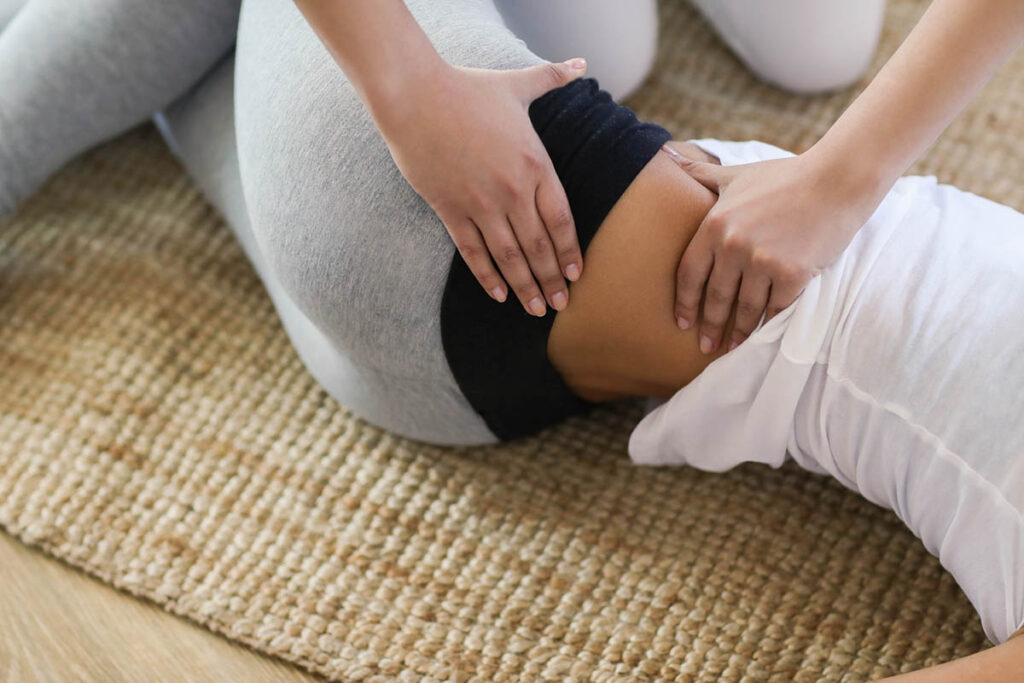
Trigger points are often the source of chronic pain in the pelvic region. By applying precise pressure to these points, pelvic floor manual therapy can relieve pain and discomfort. This therapy is closely linked to the understanding of muscle and connective tissue. It works by releasing areas of tightness that may be causing discomfort in other parts of the body. Physical therapists skilled in manual pelvic floor release techniques can provide effective treatment. These experts are trained to identify the underlying cause of your pain and address it with targeted, personalized care. Whether used alone or in conjunction with other therapies, trigger point therapy can be a valuable tool in the quest for pelvic health.
Stretching and Relaxation Techniques: Unwinding the Stress
Stretching exercises combined with relaxation techniques can be integral to pelvic floor manual therapy. These methods are designed to release tension and improve mobility. Incorporating these techniques into your daily routine can increase flexibility and ease of movement. By focusing on physical stretching and mental relaxation, this holistic approach addresses the interconnected nature of the mind and body, enhancing overall wellness. This method can be a powerful tool in manual pelvic physical therapy and is available at Up And Running physical therapy Fort Collins.
Electrical Stimulation: Sparking Recovery
Another innovative technique involves using low-voltage electrical currents to stimulate the pelvic muscles. Electrical stimulation works by activating muscle contractions, helping to strengthen and rehabilitate the pelvic area. The therapy can be tailored to individual needs and is often used in conjunction with other methods to achieve optimal results. By utilizing this cutting-edge approach, patients can experience quicker recovery and significant improvements in function and comfort.
Joint Mobilization: Restoring Flexibility
Joint mobilization is a gentle stretching and manipulation technique used to improve the mobility of pelvic joints. It plays a vital role in pelvic floor manual therapy and can be highly effective in restoring flexibility and function. By targeting specific areas of stiffness or restriction, this method enhances the range of motion and alleviates discomfort. The personalized care provided by skilled therapists ensures that joint mobilization is tailored to meet individual needs and conditions.
Incorporating Pelvic Floor Therapy into Your Routine
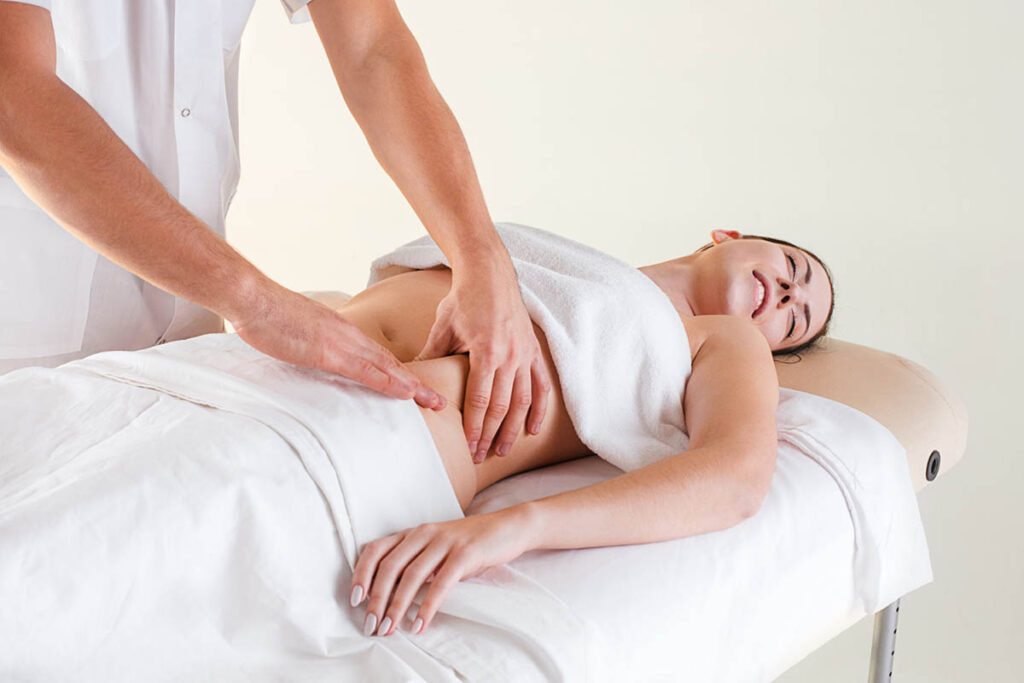
Implementing these techniques into your daily routine can empower you to control your pelvic health. You can create a personalized approach that suits your needs by consulting with a trained physical therapist. Whether it’s following a set of prescribed exercises at home or attending regular therapy sessions, consistency and commitment will lead to noticeable improvements. Partnering with a professional can help ensure that you’re on the right track to achieve your pelvic health goals.
Bringing It All Together: Your Path to Pelvic Prosperity
Pelvic floor issues don’t have to dominate your life. By utilizing these techniques and seeking personalized care, you can regain control, reduce discomfort, and enjoy a more fulfilling lifestyle. Information, dedication, and the right therapeutic approach can significantly affect your pelvic health.
Pelvic floor manual therapy offers a variety of techniques to address the challenges associated with pelvic health. Whether seeking to strengthen muscles, relieve tension, or improve control, these approaches provide viable options. By exploring these methods with the assistance of trained professionals, you can find quick relief and enhance your overall well-being.
If you’re ready to take the first step towards healing and revitalization, consider reaching out to Up And Running Physical Therapy. Our team of skilled therapists specializes in pelvic floor manual therapy and is dedicated to helping you on your path to recovery. Don’t wait to make the change you need; contact us today and take control of your pelvic health in Fort Collins!
Pelvic Floor Manual Therapy FAQs
How long does it take for pelvic floor manual therapy to work?
Recovery varies depending on your symptoms and the underlying condition. Some people notice improvements after a few sessions, while others with more complex pelvic floor dysfunction may need several weeks of treatment and home exercises to achieve lasting results.
Does pelvic floor manual therapy hurt?
Pelvic floor manual therapy should not be painful, although you may feel mild discomfort when tight or sensitive muscles are being treated. Your physical therapist will adjust each technique based on your comfort level and treatment goals.
What conditions can pelvic floor manual therapy help treat?
Pelvic floor manual therapy can help treat pelvic pain, urinary incontinence, pelvic organ prolapse, painful intercourse, constipation, and other pelvic floor disorders. Your physical therapist will tailor treatment to your specific symptoms and diagnosis.
Do I need pelvic floor exercises if I am receiving manual therapy?
Yes, in many cases. Manual therapy helps improve muscle mobility and reduce tension, while pelvic floor exercises help build strength, coordination, and long-term pelvic stability. Combining both approaches often leads to better outcomes.
How do I know if I need pelvic floor manual therapy?
You may benefit from pelvic floor manual therapy if you experience symptoms such as pelvic pain, urinary leakage, pelvic pressure, constipation, or pain during intercourse. A pelvic floor physical therapist can evaluate your symptoms and determine whether manual therapy is appropriate for your condition.