Prolapse exercises are breathing, pelvic floor, and strength drills that support your bladder, uterus, or rectum. They ease symptoms like heaviness and leaking, especially when you learn to both lift and fully relax your pelvic floor.
A prolapse diagnosis can feel scary, especially if you love to run, hike, or lift. The truth is encouraging. Many active women keep moving with the right plan and the right support.
This guide covers what prolapse is, which exercises help most, and how to work back toward running.
Do this today:
- Spend 2 minutes breathing low and wide into your ribs and belly while lying down.
- Practice 10 gentle pelvic floor lifts, letting the muscles fully relax after each one.
- Exhale and lift your pelvic floor before you pick up something heavy.
- Notice when heaviness shows up, like late in the day or after a long run.
- Keep bowel movements soft with water and fiber so you avoid straining.
What Is Pelvic Organ Prolapse?
Pelvic organ prolapse happens when the muscles and tissues that support your pelvic organs stretch or weaken. One or more organs then drop or press into the vaginal wall.
It is more common than most women realize. According to the Office on Women’s Health, pelvic floor disorders affect one in five women in the United States. Prolapse on its own affects almost 3% of women in the U.S.
The Common Types of Prolapse
Prolapse is named for the organ that moves. The most common types include:
- Bladder prolapse (cystocele): The bladder presses into the front vaginal wall. This is the most common type.
- Rectal prolapse into the vagina (rectocele): The rectum bulges into the back vaginal wall.
- Uterine prolapse: The uterus drops lower into the vaginal canal.
Prolapse is also graded by how far the organ has moved. Lower grades often respond very well to conservative care like exercise.
Symptoms Active Women Notice
Symptoms often show up with activity or as the day goes on. Many runners first notice them late in a long run.
- A feeling of heaviness, pressure, or dragging in the pelvis
- A bulge you can feel or see at the vaginal opening
- Leaking with running, jumping, coughing, or lifting
- Trouble fully emptying your bladder or bowels
- Discomfort with tampons or with sex
Why Prolapse Happens
Vaginal childbirth is the biggest risk factor, but it is not the only one. You can have prolapse even if you had a cesarean birth or never had children.
Other contributors include constipation, a long lasting cough, and heavy lifting with poor pressure control. The hormone changes of menopause also play a part. Genetics and connective tissue differences can also play a role.
Can You Correct a Prolapse With Exercise?
Exercise cannot always move an organ fully back into place. It can reduce symptoms, improve support, and sometimes improve the grade of a prolapse. For many women, that means less heaviness and a return to the activities they love.
The research backs this up. A 2026 review of 16 randomized controlled trials in BMC Urology looked at pelvic floor muscle training. Training lowered prolapse symptom scores and improved pelvic floor strength and endurance. The same review found the clearest benefits within the first six months of training.
That is why consistency matters so much. Think of prolapse exercises as ongoing training, not a quick fix.
What Exercise Can and Cannot Do
It helps to set clear expectations from the start:
- Exercise can improve muscle strength, endurance, and timing.
- It can ease heaviness and reduce leaking.
- It can help you tolerate running, lifting, and long days on your feet.
- It may not fully reverse a higher grade prolapse on its own.
- Some women benefit from pairing exercise with a pessary or other care.
What Are the Best Prolapse Exercises?
The best prolapse exercises train your pelvic floor to lift, relax, and respond to pressure. Then they connect it to the rest of your core. Start lying down, where gravity is on your side, and progress to standing and moving.
Diaphragmatic Breathing
Your diaphragm and pelvic floor move together like a piston. When you inhale, both lower. When you exhale, both gently lift.
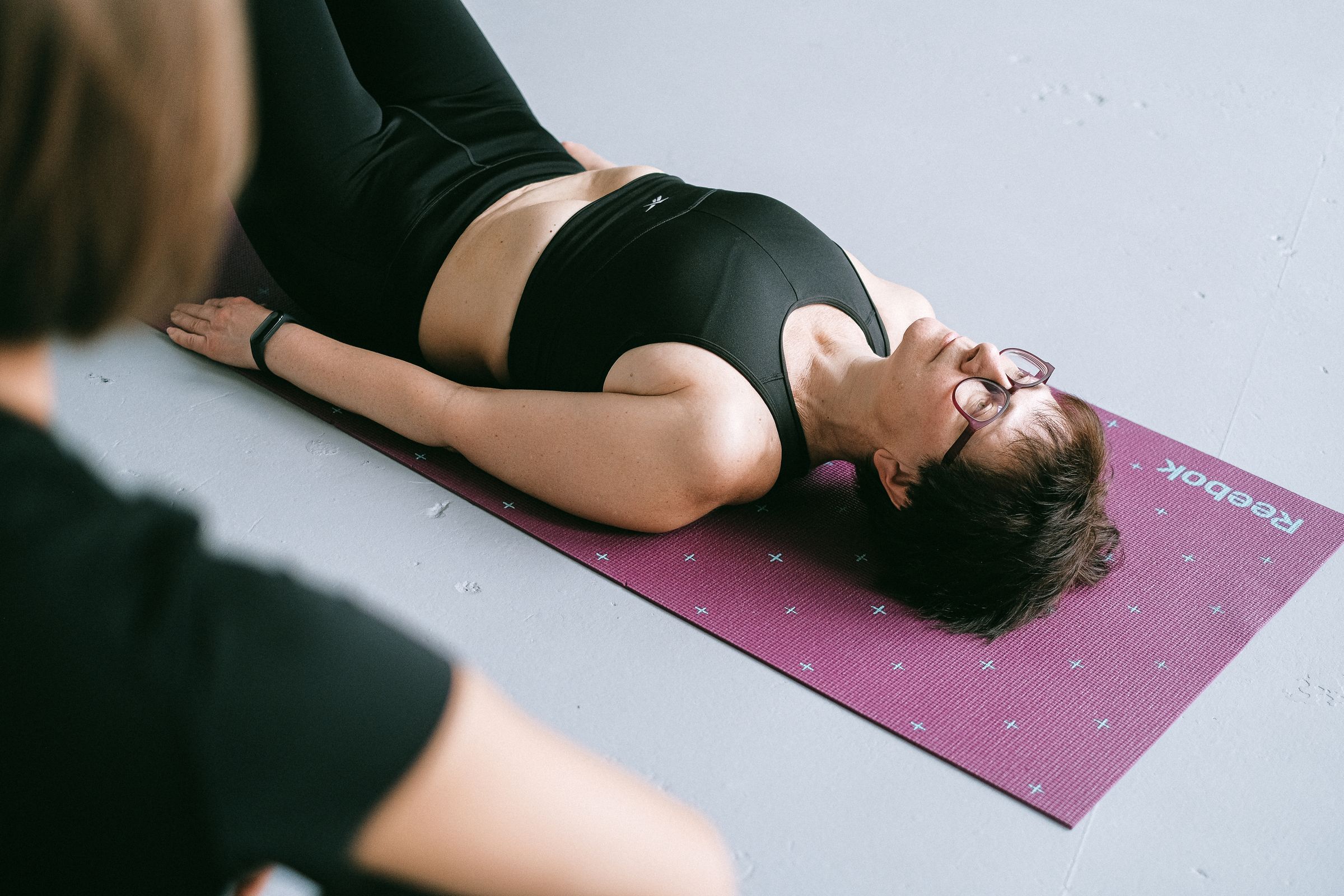
Lie on your back with your knees bent. Breathe in so your ribs widen and your belly softens, then exhale slowly through pursed lips.
Practice for 2 to 3 minutes a day. This simple drill sets up every other exercise on this list.
Pelvic Floor Lifts and Holds
Pelvic floor contractions build the strength that supports your organs. Imagine gently lifting a blueberry with your vagina, or stopping gas.
Try two versions:
- Long holds: Lift and hold for 5 to 10 seconds, then fully relax for the same amount of time. Repeat 8 to 10 times.
- Quick flicks: Lift quickly and let go right away. Repeat 10 times.
The relaxation phase matters as much as the lift. A muscle that never lets go gets tired and weak.
The Knack
The knack is a pelvic floor lift timed right before a pressure spike. It is one of the most useful skills for runners and lifters.
Lift your pelvic floor, then cough, sneeze, jump, or lift. Over time, this timing becomes automatic.
Glute Bridges With an Exhale
Bridges strengthen your glutes and teach your core to stay steady under load. Strong hips help share the work with your pelvic floor.
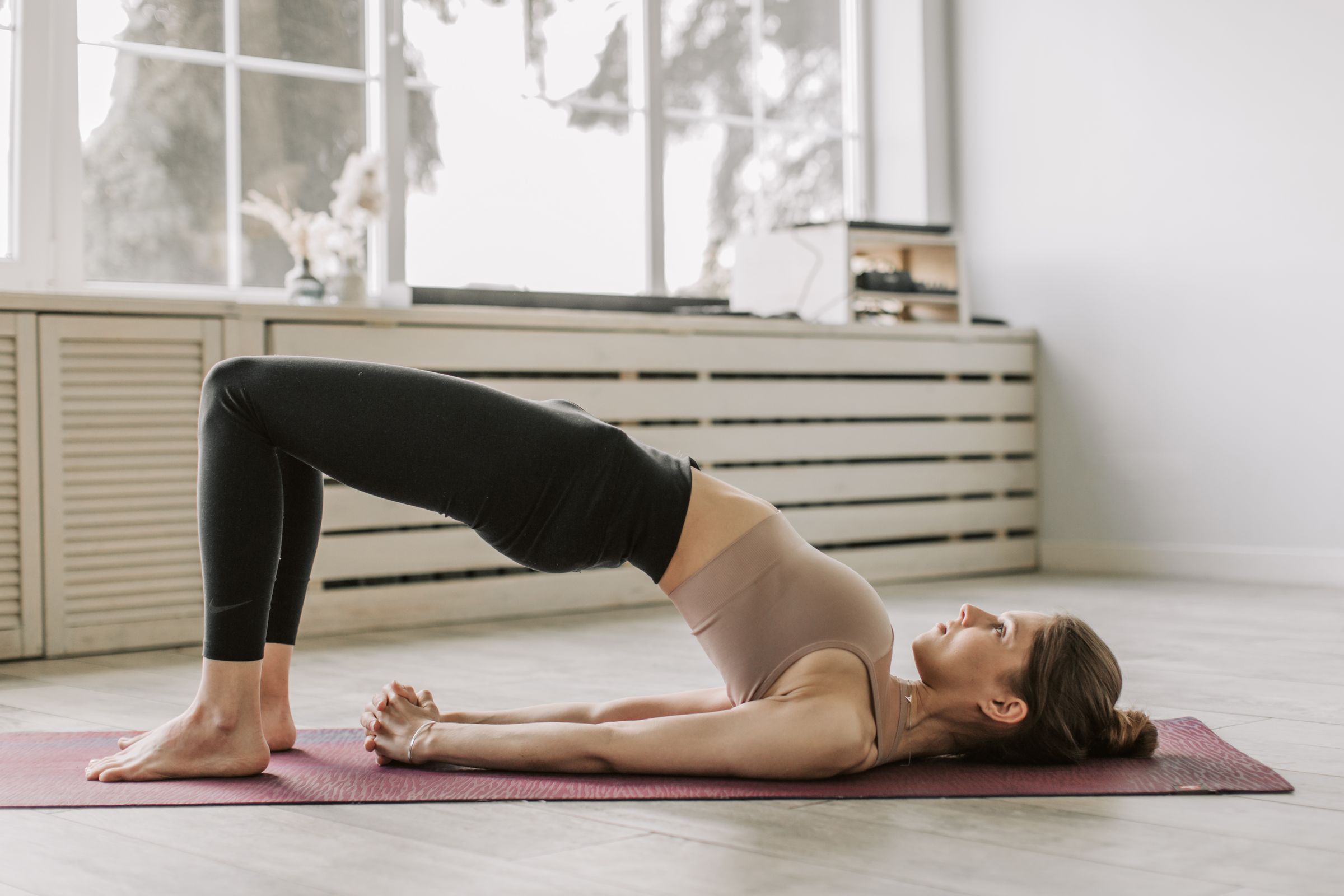
Exhale and lift your pelvic floor as you raise your hips. Inhale as you lower slowly. Build to 3 sets of 10.
Side Lying Clams and Side Planks
Your deep hip muscles connect directly to your pelvic floor. Training them improves stability when you land on one leg while running.
Start with clams on your side, knees bent, lifting the top knee against a light band. Progress to a side plank from your knees, then from your feet.
Squats and Lifts With Pressure Control
Squats bring your training into real life. Every time you lift a child, a grocery bag, or a barbell, you manage pressure in your abdomen.
Exhale and lift your pelvic floor as you stand up from the squat. Add weight only when you can do so with no heaviness or leaking.
How Do You Know You Are Doing Prolapse Exercises Right?
You are doing them right when you feel a gentle lift and squeeze inside the pelvis. There should be no bearing down, breath holding, or clenching of your glutes. You should also feel a clear, complete release after each lift.
Common mistakes are easy to fix once you know them:
- Holding your breath while you squeeze
- Pushing down as if you are going to the bathroom
- Squeezing your buttocks or inner thighs instead of the pelvic floor
- Lifting without ever fully relaxing
Some women with prolapse also have a tight, overactive pelvic floor. For them, more squeezing is not the answer. A pelvic health assessment shows which direction your muscles need.
What Exercises Should You Avoid If You Have a Prolapse?
You do not need to avoid most exercises forever. Instead, you modify the ones that create more pressure than your pelvic floor can handle right now.
Heaviness, bulging, or leaking during or after an activity is your guide. Those symptoms mean the load is ahead of your support, not that the activity is off limits for good.
| Activity | Why It Can Aggravate Symptoms | Smarter Option For Now |
|---|---|---|
| Running and jumping | Repeated impact increases downward pressure | Brisk walking, hills, and a gradual run walk plan |
| Heavy lifts with breath holding | Breath holding spikes abdominal pressure | Lighter loads with an exhale on effort |
| Full sit ups and crunches | They push pressure down toward the pelvis | Dead bugs, bird dogs, and side planks |
| Long days standing still | Gravity adds load through the day | Short breaks lying down with legs up |
| Straining on the toilet | Straining pushes directly on pelvic support | A footstool, fiber, water, and relaxed breathing |
Can You Run With a Prolapse?
Many women can run with a prolapse once their pelvic floor is strong and responsive enough to handle impact. The key is a gradual return that respects your symptoms.
Running is high impact. Each stride sends a force through your body that is two to three times your body weight.
Signs You Are Ready to Try Running

Before your first run, you should be able to do these without heaviness or leaking:
- Walk briskly for 30 minutes
- Balance on one leg for 10 seconds on each side
- Do 10 single leg squats on each side
- Jog in place for 1 minute
- Hop on each leg 10 times
A Gradual Return to Run Plan
Here is an example of how a return to running often progresses. Your own timeline depends on your symptoms and your starting point.
| Phase | Typical Timing | Focus | Move On When |
|---|---|---|---|
| Foundation | Weeks 1 to 4 | Breathing, pelvic floor lifts, bridges | Lifts feel strong and relaxation is complete |
| Strength | Weeks 4 to 8 | Squats, lunges, side planks, carries | You can lift and carry with no heaviness |
| Impact prep | Weeks 6 to 10 | Hops, skips, and jogging in place | Impact tests feel symptom free |
| Run walk | Weeks 8 to 12 | 1 minute run with 2 minutes walk intervals | Runs feel good the next day too |
| Build | Week 12 and beyond | Longer runs, then hills and speed | Symptoms stay quiet as miles grow |
If heaviness shows up, step back one phase for a week. That is progress, not failure.
Tips for Running With Less Heaviness
Small changes can make running feel much better:
- Empty your bladder before you run, but do not go just in case every mile.
- Shorten your stride and slightly raise your cadence to soften impact.
- Choose softer surfaces like dirt paths while you build.
- Run earlier in the day, before symptoms tend to build.
- Ask about a pessary if you want extra support during runs.
How Can You Make Your Prolapse More Comfortable Day to Day?
You can ease prolapse symptoms by avoiding straining, managing pressure when you lift, and taking short rest breaks. These habits add up fast.
Protect Your Pelvic Floor on the Toilet
Straining is one of the biggest daily stressors on pelvic support. Aim for soft, easy bowel movements.
- Drink water through the day and add fiber from fruits, vegetables, and whole grains.
- Put your feet on a small stool so your knees sit above your hips.
- Breathe out gently instead of holding your breath and pushing.
Take Short Breaks Off Your Feet
Symptoms often build as the day goes on. A 10 minute break lying down can reset how you feel.
Lie on your back with your hips on a pillow and breathe slowly. Many women find this helpful after work or a long run.
Consider a Pessary
A pessary is a small, removable device that supports your pelvic organs from inside the vagina. Many runners use one during exercise and remove it afterward.
Your gynecologist or urogynecologist fits it. Exercise and a pessary often work very well together.
When Should You See a Pelvic Health Specialist?
See a pelvic health specialist if you feel heaviness or a bulge, or if you leak with activity. It also helps if you are unsure about your technique. You should also get checked before returning to running after childbirth.
An internal assessment shows exactly how your muscles lift, hold, and relax. That turns general advice into a plan that fits your body.
Call your doctor right away if you cannot empty your bladder or notice bleeding, sores, or a sudden change. Those symptoms need medical care.
Frequently Asked Questions About Prolapse Exercises
Can you fix a prolapse without surgery?
Many women manage prolapse well without surgery by combining pelvic floor training, pressure management, and sometimes a pessary. Surgery is usually considered when symptoms stay bothersome despite conservative care.
How long does it take for prolapse exercises to work?
Most women notice changes in 6 to 12 weeks of consistent training. Muscle strength builds gradually, so steady daily practice matters more than long, occasional sessions.
How often should I do prolapse exercises?
A short session once or twice a day works well for most women. Aim for about 10 minutes that includes breathing, long holds, quick lifts, and full relaxation.
Are Kegels the only exercise for prolapse?
No, Kegels are only one piece of the plan. Breathing, hip strength, core control, and practicing the knack during real movements all help support your pelvic organs.
Can a prolapse get worse from running?
Running can increase symptoms if your pelvic floor is not ready for the impact. With a gradual plan and symptom monitoring, many women run without making their prolapse worse.
What does a prolapse feel like when you run?
Many women describe heaviness, pressure, or a feeling that something is falling out. Some also notice leaking or an ache in the low back or pelvis toward the end of a run.
How Our Fort Collins Pelvic Health Team Helps You Stay Active
Living with prolapse does not mean giving up the activities you love. With the right guidance, you can build real support and move with confidence again.
Care That Starts With Listening
Your first visit is private, one on one, and unhurried. We want to hear about your symptoms, your goals, and the runs or workouts you miss.
Then we assess how your pelvic floor, breathing, and hips work together. Our pelvic floor therapy in Fort Collins is built around what we find, not a generic handout.
A Plan Built for Active Women
We connect your pelvic floor training to the way you actually move. That includes running, lifting, hiking, and chasing kids.
Our 3 Step Recovery Method calms symptoms, rebuilds strength, and prepares you for your sport. It works without pills, surgery, or giving up the activities you love.
Support Through Every Stage of Life
Prolapse can show up after childbirth, during menopause, or later in life. We help women at every stage feel strong and in control.
Learn more about our approach to women’s pelvic health in Fort Collins and the conditions we treat.
Ready to Feel Supported Again?
Call us today at (970) 500.3427 to schedule your FREE Discovery Visit. You can also reach our team through our contact page.
We will answer your questions, talk through your goals, and map out your next steps. Strong, confident miles are closer than you think.