Ankle pain after running usually comes from an overloaded tendon, a lingering sprain, or a weak, unsteady ankle. In short, your ankle can’t yet handle your current mileage. Most cases get better with smarter training load, targeted strength work, and balance drills, not weeks on the couch.
The key is figuring out where it hurts and when it shows up. That pattern tells you which tissue is irritated and what it needs from you right now.
We see this every week with runners from the Poudre Trail, Horsetooth, and Spring Creek. The good news is simple. Ankles respond really well to the right kind of work.
Do this today:
- Note exactly where it hurts: the inside, outside, front, or back of your ankle.
- Swap your next run for an easy walk, bike, or pool session if pain climbs above 3 out of 10.
- Try 2 sets of 15 slow calf raises and notice how the ankle responds.
- Balance on the sore leg for 30 seconds and compare it to the other side.
- Check the miles on your shoes and your training over the last two weeks.
Why Does My Ankle Hurt After Running?
Your ankle hurts after running because a tendon, ligament, or joint took on more load than it could handle. Pain is your body asking for a better balance between stress and recovery.
This is common. A 2021 systematic review in the Journal of Sport and Health Science looked at injuries in runners. Achilles tendinopathy had the highest injury incidence at 10.3%, and ankle sprains also made the top five. The same review found the ankle was the most frequently injured site among ultramarathon runners.
Training Load Is the Usual Suspect
Most ankle pain in runners traces back to change. A new race plan, a jump in miles, or a block of hill repeats can all tip the scale.
Tendons adapt to load, but they adapt slowly. Your heart and lungs can get fitter in a few weeks, while tendons need months to catch up.
Watch for these common triggers:
- Adding more than a few miles to your week all at once
- Starting speed work or hill repeats after a long easy block
- Switching from road to steep, rocky trail
- Moving into a lighter shoe with less heel drop
- Stacking hard days with too little sleep
Old Sprains Leave a Mark
A past ankle sprain changes how your ankle senses its own position. Even after the swelling fades, the joint often feels less steady on uneven ground.
That lost sense of position means small muscles around the ankle fire late. Over time, tendons like the peroneals on the outside of your ankle work overtime to keep you upright.
Your Ankle Is Part of a Chain
Your ankle rarely works alone. Weak calves, stiff big toes, or tired hips can all shift extra stress down to the ankle.
That is why we look at your whole stride, not just the spot that hurts. Fixing the source keeps the pain from coming back next season.
What Does the Location of Your Ankle Pain Tell You?

Where your ankle hurts is the best clue to what is going on. Each side of the ankle has its own common culprits.
Use this table as a starting point, not a diagnosis:
| Where It Hurts | Likely Cause | What It Often Feels Like | Smart First Step |
|---|---|---|---|
| Outside of the ankle | Peroneal tendinopathy or an old sprain | Ache behind or below the outer ankle bone | Calf raises with a slight outward push and balance work |
| Inside of the ankle | Posterior tibial tendinopathy | Ache along the inner ankle into the arch | Arch lifts and slow single leg calf raises |
| Back of the ankle | Achilles tendinopathy | Morning stiffness that eases as you warm up | Slow, heavy calf raises and fewer hills for now |
| Front of the ankle | Anterior impingement or tibialis anterior strain | Pinch when your knee drives over your toes | Ankle mobility work and less downhill running |
| Deep, pinpoint bone pain | Possible bone stress injury | Sharp pain on one spot that worsens each run | Stop running and get evaluated |
Pain on the Outside of the Ankle
Outer ankle pain often points to the peroneal tendons or leftover sprain irritation. It tends to flare on cambered roads and technical trail.
You may notice it more at the end of a long run. The tendons fatigue, and the ankle starts to roll outward more often.
Pain on the Inside of the Ankle
Inner ankle pain often involves the posterior tibial tendon. This tendon helps hold up your arch when your foot hits the ground.
When it gets irritated, your arch may feel tired or flatter by the end of a run. Left alone, this one can progress, so it deserves early attention.
Pain at the Back of the Ankle
Pain just above the heel usually means the Achilles tendon is overloaded. The classic sign is stiffness with your first steps in the morning.
It often loosens up once you warm up. That easing can trick you into running through it for far too long.
Pain at the Front of the Ankle
Front ankle pain often feels like a pinch at the crease of your ankle. It shows up when your knee drives far over your toes, like on steep downhills or deep lunges.
Limited ankle mobility and old sprain scar tissue can both play a role. Laces tied too tight across the top of the foot can also irritate the tendons there.
Why Does My Ankle Hurt After Running but Not During?
Your ankle often hurts after running because irritated tendons react to load with a delay. During the run, blood flow and adrenaline mute the signal.
Once you cool down, the tissue stiffens and the ache shows up. The next morning is often the most honest report on how your ankle handled the run.
This delay is useful information. Track your pain the morning after each run, not just during it.
Should You Keep Running With a Sore Ankle?
You can often keep running with mild ankle soreness if the pain stays low and settles by the next morning. Sharp pain, limping, or pain that builds each run means it is time to stop.
The 3 Out of 10 Rule
We use a simple pain monitoring guide with many of our runners. Rate your pain from 0 to 10 during and after your run.
- 0 to 3 out of 10 during the run is usually acceptable.
- Pain should settle back to your normal level by the next morning.
- Pain should not climb week to week.
If you stay inside those limits, running can actually help your tendon recover. Load is part of the fix, not just the problem.
Signs You Need to Stop Running
Some symptoms mean you should stop and get checked. Do not push through these:
- Pain on one small spot of bone that you can press with a fingertip
- Swelling or bruising that appears without a clear twist or roll
- Pain at night or at rest that keeps getting worse
- A limp that changes how you run or walk
- Numbness, tingling, or a pop you felt during the run
How Do You Treat Ankle Pain After Running at Home?
You treat most ankle pain after running by lowering the load that irritates it. Then you rebuild strength and balance step by step. Complete rest rarely fixes the problem on its own.
Calm It Down Without Shutting Down
Start by trimming the things that flare it. That might mean shorter runs, flatter routes, or fewer hard sessions for a week or two.
Keep moving in ways that feel good. Cycling, swimming, and easy walking keep your fitness up while the ankle settles.
Ice can take the edge off pain after a run. It does not heal a tendon, so think of it as comfort, not treatment.
Exercises That Rebuild Your Ankle
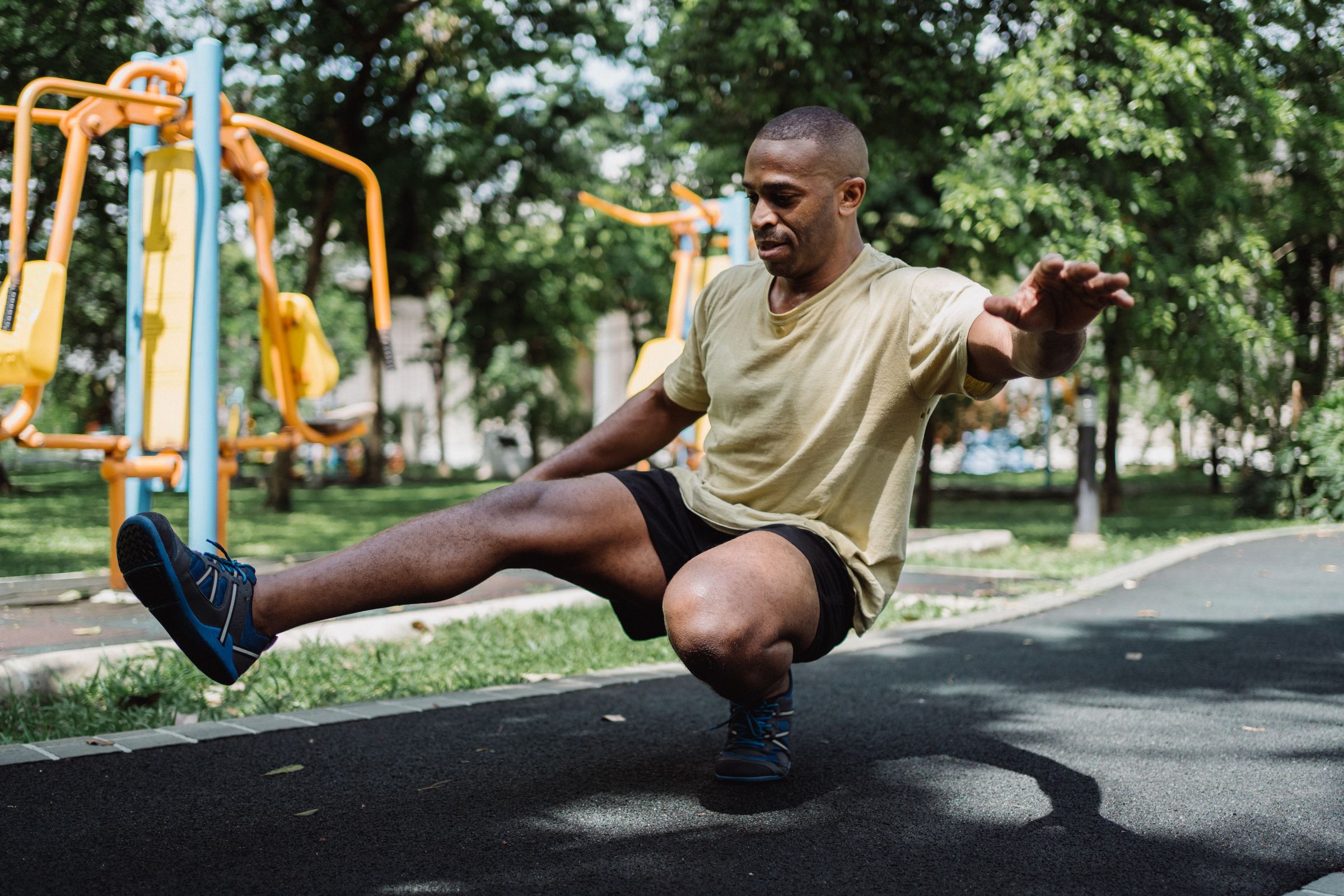
Strength is where the real change happens. Try these three to four times a week:
- Slow calf raises: Rise for 3 seconds and lower for 3 seconds. Build to 3 sets of 15 on one leg.
- Bent knee calf raises: Do the same with your knee bent to target the soleus muscle.
- Banded ankle eversion: Loop a band around your foot and turn it outward against resistance.
- Short foot arch lifts: Pull the ball of your foot toward your heel to lift your arch. Keep your toes relaxed.
- Single leg balance: Stand on one leg for 30 seconds, then try it with your eyes closed.
Add weight slowly as the exercises feel easy. Tendons like heavy, slow work better than lots of quick bouncing early on.
Balance Training Pays Off
Balance work is not filler. It retrains the sensors that tell your brain where your ankle is.
According to StatPearls on recurrent ankle sprains, up to 40% of ankle sprains develop chronic symptoms like pain and instability. The same review notes that neuromuscular training with balance and proprioception tasks is key to reducing repeat sprains.
Start on flat ground and progress to a pillow or foam pad. Then add movement, like reaching or catching a ball while you balance.
How Long Does Runner’s Ankle Take to Heal?
Most mild ankle pain after running settles in 2 to 6 weeks with the right changes. Tendon problems that have lingered for months can take 3 months or more to fully rebuild.
Your timeline depends on how long you have had symptoms and how consistent you are with strength work. Here is a general guide:
| Situation | Typical Timeline | What Progress Looks Like |
|---|---|---|
| Mild overload, caught early | 1 to 3 weeks | Morning stiffness fades and runs feel normal |
| Mild to moderate ankle sprain | 2 to 6 weeks | Walking and hopping feel steady before running returns |
| Short term tendon irritation | 4 to 8 weeks | Pain stays under 3 out of 10 as miles build |
| Long standing tendinopathy | 3 to 6 months | Strength improves first, then pain drops |
| Bone stress injury | 6 to 12 weeks or more | Pain free walking and hopping before a gradual return |
Healing is rarely a straight line. A small flare after a longer run is normal as long as it settles within a day.
How Can You Prevent Ankle Pain When You Run?
You prevent ankle pain by building your miles gradually, keeping your lower legs strong, and giving your ankles variety. Small habits make a big difference over a full season.
Build Mileage Like a Staircase
Raise your weekly volume in small steps. Then hold steady for a week before the next jump.
Every third or fourth week, cut back a little. Your tendons use that easier week to catch up with your fitness.
Keep Your Calves Strong Year Round
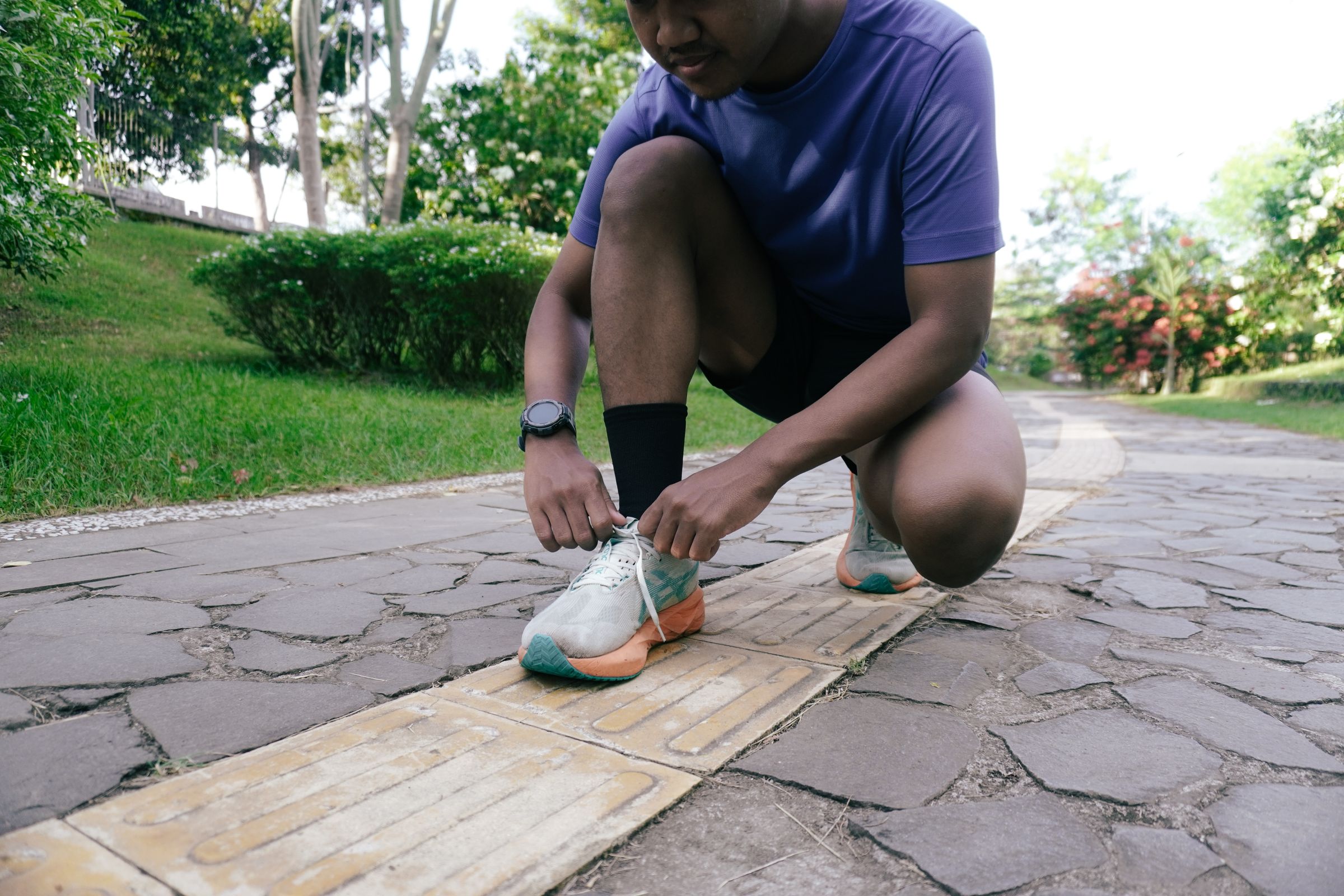
Your calf muscles absorb a huge share of the force with every stride. Strong calves take pressure off the tendons around your ankle.
Keep two short strength sessions in your week, even during race season. Ten minutes is enough when you stay consistent.
Choose Shoes and Surfaces With Intention
Replace shoes that feel flat or break down on one side. If you change to a new shoe style, rotate it in slowly.
Mix up your surfaces too. Colorado gives you dirt, gravel, and trail, so use them.
- Start new trail seasons on smoother paths before rocky, technical terrain.
- Limit long runs on steeply cambered roads.
- Shorten your stride slightly on steep downhills.
Look at Your Running Form
Overstriding puts your foot far ahead of your body and adds stress to the ankle. A slightly quicker cadence often fixes this naturally.
A running gait analysis can show exactly how your ankle moves at speed. That makes your plan specific to you, not a generic list.
Frequently Asked Questions About Ankle Pain After Running
What is runner’s ankle?
Runner’s ankle is a casual name for pain around the ankle caused by repetitive running stress. It usually involves an irritated tendon, like the Achilles, peroneal, or posterior tibial tendon, rather than a single injury.
Should I run if my ankle is sore?
You can usually run if soreness stays at 3 out of 10 or lower and settles by the next morning. Stop if the pain is sharp, makes you limp, or gets worse with each run.
Is ankle pain after running a sign of a stress fracture?
It can be, but most ankle pain is a tendon or ligament problem. Pinpoint bone pain, swelling without a twist, or pain at night are warning signs. Those need a professional evaluation.
Can bad shoes cause ankle pain after running?
Yes, worn out or poorly matched shoes can change how your ankle loads with each step. A sudden switch to a very different shoe can also overload tendons that are not used to the new demand.
Should I use ice or heat for ankle pain after running?
Ice can calm pain and swelling right after a run or a fresh sprain. Heat can ease stiffness before activity for an older, achy tendon, but neither one replaces strength work.
When should I see a physical therapist for ankle pain?
See a physical therapist if the pain lasts longer than two weeks, keeps returning, or changes how you run. Early care usually means a shorter recovery and fewer missed training weeks.
How We Help Fort Collins Runners Get Past Ankle Pain
Ankle pain after running does not have to end your season. With the right plan, most runners keep moving while their ankle gets stronger.
We Find the Real Source of Your Pain
You work one on one with a Doctor of Physical Therapy for the full visit. We test your strength, balance, and mobility, then watch how you actually run.
That tells us why your ankle hurts, not just where. Our running injury rehab in Fort Collins is built around that answer.
We Keep You Running Whenever Possible
We rarely tell runners to stop completely. Instead, we adjust your training so you keep your fitness while your ankle heals.
Our 3 Step Recovery Method calms the pain, rebuilds strength, and then prepares you for the demands of your sport. It works without pills, surgery, or long stretches of rest.
We Plan for the Miles Ahead
Getting out of pain is step one. Staying out of pain is the goal.
We build your strength plan around your race calendar and the trails you love. Learn more about how we help injured runners get back to strong, confident miles.
Ready to Run Without Ankle Pain?
Call us today at (970) 500.3427 to schedule your FREE Discovery Visit. You can also reach our team through our contact page.
We will listen to your story, look at your ankle, and map out your next steps. Your next pain free run starts here.