The best diastasis recti exercises start with breathing and deep core control. Then they build slowly toward full body strength and running. Crunches and sit ups are not on that early list. They push your belly outward instead of helping the gap close.
So can exercise really help ab separation? For most people, yes. A good plan can improve how your core works and feels, even years after your last baby.
We work with many runners and active moms in Fort Collins. They want their core back without giving up the sports they love. This guide covers what to do, what to avoid, and how to know you are ready to run.
Do This Today
- Check your gap lying down with the simple finger test below.
- Practice five slow breaths that let your ribs expand out to the sides.
- Roll to your side to get out of bed instead of sitting straight up.
- Watch for doming or coning down the middle of your belly during daily tasks.
- Swap crunches for a gentle core breath with a pelvic floor lift.
What Is Diastasis Recti?
Diastasis recti is a widening of the gap between the two sides of your rectus abdominis, often called the six pack muscles. The tissue between them, the linea alba, stretches and thins during pregnancy.
According to Cleveland Clinic, diastasis recti affects about 6 in 10 women after childbirth. It can also show up in men and in anyone who strains hard while lifting.
Common Signs of Diastasis Recti
- A bulge or pooch just above or below your belly button.
- A soft, jelly like feeling around your belly button.
- Coning or doming down the middle when you sit up or lift.
- Low back pain or a core that feels weak during lifting.
- Leaking or pelvic heaviness during running or jumping.
Does It Go Away on Its Own?
Some separation closes naturally in the months after delivery. For many women, though, it sticks around much longer than expected.
A 2024 ultrasound study in Scientific Reports found diastasis recti in 36 percent of women three years after birth. Even 30 years after birth, 30 percent of women still had it.
Time alone does not fix it for everyone. The good news is that the right exercise plan can help at any stage.
How Do You Check Yourself for Diastasis Recti?
You can check for diastasis recti at home with a simple finger test. Lie on your back, lift your head slightly, and feel along the midline of your belly. A gap of two finger widths or more is worth a closer look.
- Lie on your back with your knees bent and feet flat.
- Place your fingertips across your belly button, pointing toward your feet.
- Exhale and lift your head and shoulders just slightly off the floor.
- Feel how many fingers fit between the edges of the muscles.
- Repeat the check above and below your belly button.
Width Is Not the Whole Story
Gap width matters, but tension matters too. If the tissue under your fingers feels firm when you lift your head, your core is often managing load well.
A soft, deep gap tells a different story. A pelvic health physical therapist can measure both and explain what they mean for your training.
What Are the Best Diastasis Recti Exercises?
The best diastasis recti exercises train your deepest ab muscle to work with your breath and pelvic floor. That muscle is called the transverse abdominis. Cleveland Clinic notes that the best exercises use deep breathing and slow, controlled movements.
Think of your core as a pressure system. Your diaphragm sits on top and your pelvic floor sits on the bottom. Your abs wrap around the front and sides.
Phase 1: Breath and Connection

- 360 breathing. Lie on your back and breathe so your ribs widen to the front, sides, and back.
- Core breath. As you exhale, gently draw your lower belly in toward your spine.
- Pelvic floor lift. Pair a gentle lift of your pelvic floor with each exhale.
- Heel slides. Slide one heel away and back while your belly stays flat.
- Supine march. Lift one foot an inch off the floor without your belly doming.
Phase 2: Stability Under Light Load
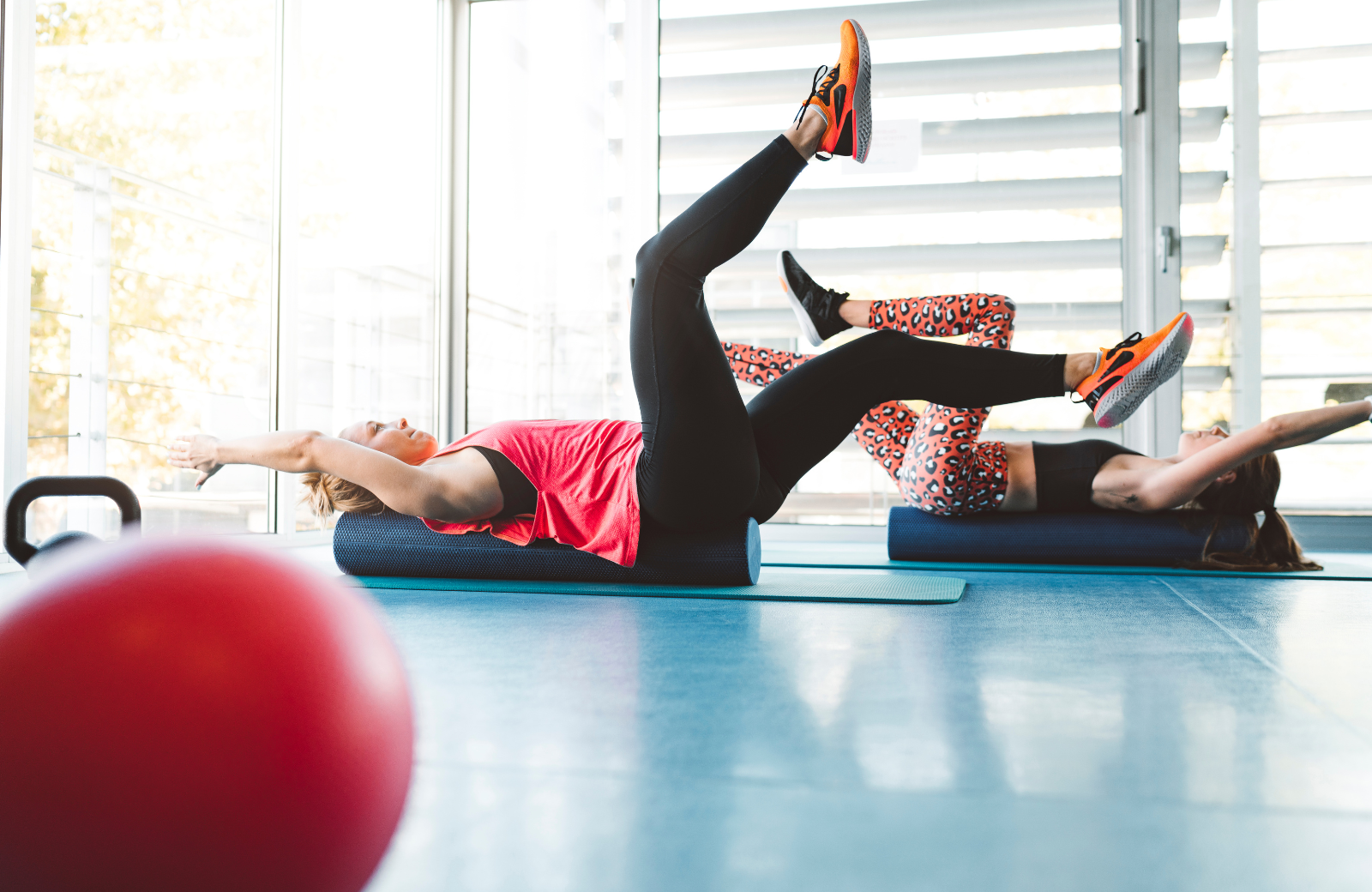
- Glute bridges. Exhale as you lift your hips and keep your ribs down.
- Dead bugs. Move one arm or one leg at a time with a steady trunk.
- Bird dogs. Reach an opposite arm and leg while your back stays level.
- Side lying leg lifts. Build hip strength without loading the midline.
- Wall push ups. Press away from the wall with a firm, flat belly.
Phase 3: Strength for Real Life and Sport
- Knee side planks. Build side core strength with a shorter lever.
- Pallof press. Resist a band pulling you sideways to train control.
- Goblet squats. Hold a weight at your chest and exhale as you stand.
- Suitcase carries. Walk with a weight in one hand and stay tall.
- Step ups. Drive through one leg the way you will when you run.
Phase 4: Impact and Running
Once carries and squats feel solid, you can add light impact like small hops, skips, and marching in place. These moves teach your core and pelvic floor to handle the bounce of running.
Keep the volume low at first and watch your midline. If it stays controlled and you feel no leaking or heaviness, you are ready for walk run intervals.
How Often Should You Do Them?
Short daily sessions of 10 to 15 minutes work well in the early weeks. As you progress, two or three focused strength sessions per week usually beat long daily routines.
Diastasis Recti Exercise Progression at a Glance
| Phase | Focus | Example Exercises | Move On When |
|---|---|---|---|
| Phase 1 | Breath and deep core connection | 360 breathing, heel slides, supine march | No doming during daily tasks |
| Phase 2 | Stability with light load | Bridges, dead bugs, bird dogs | Your midline stays firm during these moves |
| Phase 3 | Strength and carries | Pallof press, goblet squats, suitcase carries | Lifting and carrying feel solid |
| Phase 4 | Impact and running | Hops, skips, walk run intervals | Running feels strong with no leaking or heaviness |
Which Exercises Should You Avoid With Diastasis Recti?
Avoid exercises that make your belly bulge, cone, or dome down the middle, especially early on. Cleveland Clinic lists crunches, sit ups, full planks, and double leg lifts among the moves to skip for now.
- Crunches and sit ups of any kind.
- Full planks and floor push ups without modifications.
- Double leg lifts and scissor kicks.
- Deep backbends and some advanced yoga poses.
- Heavy lifting while you hold your breath.
Doming Is Your Feedback
Doming in a single moment is not dangerous. It simply tells you the load is more than your core can manage right now.
Scale the move back until your midline stays flatter and firmer. Then build up again over the next few weeks.
Everyday Habits Matter Too
- Roll to your side when you get out of bed.
- Exhale as you lift your kids, the car seat, or groceries.
- Avoid straining on the toilet, and use a footstool if it helps.
- Hold your baby close to your body instead of out on one hip.
Can You Run With Diastasis Recti?
Yes, many women can run with diastasis recti once they can control pressure through their core and pelvic floor. Readiness depends on your strength and symptoms, not just the size of your gap.
Signs You Are Ready to Run
- You can walk briskly for 30 minutes without pain or heaviness.
- You can hop on one leg 10 times without leaking.
- You can do 20 single leg calf raises on each side.
- Your belly stays controlled during bridges and squats.
- You feel no pelvic pressure or bulging after activity.
Build Back With Walk Run Intervals
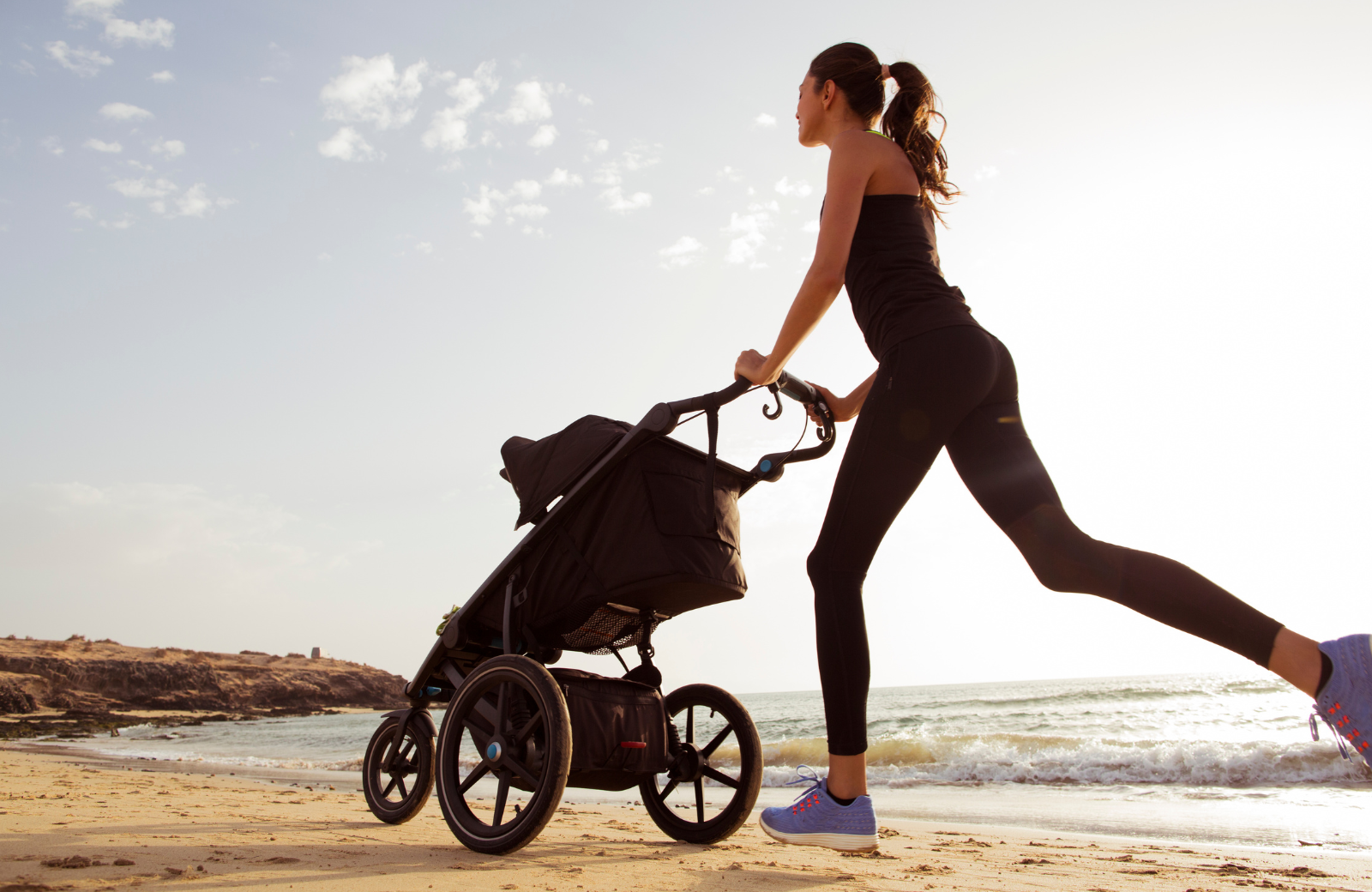
Start with short intervals, like one minute of running and two minutes of walking. Add time slowly over several weeks as long as your symptoms stay quiet.
If you notice leaking, heaviness, or doming, drop back to the last stage that felt good. That is normal progress, not failure.
Running After Pregnancy Takes Patience
Many postpartum return to running guidelines suggest waiting at least 12 weeks after delivery before you run. Your own timeline depends on your delivery, your strength, and your symptoms.
Can You Do Diastasis Recti Exercises While Pregnant?
Yes, gentle diastasis recti exercises are usually safe during pregnancy, and they can help you manage the stretch as your belly grows. Always check with your pregnancy care provider before starting a new routine.
Some separation during pregnancy is normal and expected. Your goal is not to stop it completely, but to keep your core working well as it changes.
Helpful Moves During Pregnancy
- Side lying or seated breathing that widens your ribs.
- Gentle core breath with a soft pelvic floor lift on the exhale.
- Bridges, side lying leg lifts, and supported squats.
- Walking, swimming, and stationary cycling.
What to Modify as Your Belly Grows
Skip crunches and sit ups after the first trimester, and modify planks if you see doming. Roll to your side to get up, and exhale as you lift anything heavy.
If you run during pregnancy, watch for heaviness, leaking, or pain. Those are signs to adjust your pace, distance, or support.
Should You Lift Weights With Diastasis Recti?
Yes, most people with diastasis recti can lift weights once they can control pressure through their core. Strength training is part of the solution, not something to fear.
The key is how you breathe and brace. Exhale through the hardest part of the lift and keep your midline from bulging.
Smart Lifting Tips
- Start lighter than you think and build up week by week.
- Exhale as you stand up from a squat or pull from the floor.
- Choose carries, squats, and rows before heavy overhead work.
- Watch for doming, leaking, or heaviness as your guide to load.
Our approach uses strength work to rebuild your core. It is the same idea we use with runners, applied to your midline.
How Long Does It Take to Heal Diastasis Recti With Exercise?
Many people notice better core control within 6 to 12 weeks of steady exercise. Changes in the gap itself can take several months.
Cleveland Clinic points to research showing about 45 percent of women still have diastasis recti six months after giving birth. It also notes that it is never too late to improve it with the right exercises.
Factors That Shape Your Progress
- How many pregnancies you have had.
- Twins or a larger baby.
- Less than a year between pregnancies.
- Your current training and lifting load.
- Constipation and straining habits.
When Does Surgery Come Up?
Surgery is usually considered only for very large gaps, a hernia, or months of good rehab without enough change. Most people start with a structured exercise program first.
Why See a Pelvic Floor Physical Therapist for Diastasis Recti?
A pelvic floor physical therapist looks at your abs, breathing, pelvic floor, and posture together. They all work as one pressure system. That full picture leads to a plan that fits your body and your sport.
In our pelvic health program, we also screen for leaking, heaviness, and back pain. These often travel together with diastasis recti.
What a Visit Looks Like
- A conversation about your pregnancy, delivery, and activity goals.
- A check of your gap width and midline tension.
- An assessment of your breathing, posture, and pelvic floor.
- A progressive plan that leads you back to lifting and running.
Frequently Asked Questions About Diastasis Recti Exercises
Can diastasis recti be fixed years after pregnancy?
Yes. Your core can still get stronger and work better years after your last baby. Many people see real improvement with a consistent, progressive exercise plan.
Are planks bad for diastasis recti?
Full planks are often too much in the early phases because they can cause doming. Modified versions, like incline or knee planks, can work well once your midline stays flat and firm.
Does walking help diastasis recti?
Walking is a great early activity because it keeps you moving without heavy strain on your abs. On its own it will not close a gap, so pair it with targeted deep core exercises.
Can men get diastasis recti?
Yes. Men can develop it from heavy lifting with poor pressure control, chronic straining, or big weight changes. The same exercise principles apply.
Will a belly band fix diastasis recti?
A belly band can offer support and remind you to engage your core, but it will not strengthen your muscles. Exercise is what rebuilds function.
Is diastasis recti linked to leaking when running?
They often show up together because your abs and pelvic floor share the job of managing pressure. Treating both at the same time usually works better than focusing on one.
How We Help You Rebuild Your Core in Fort Collins
One on One Care With a Doctor of Physical Therapy
Every visit is one on one with a Doctor of Physical Therapy who understands pelvic health and running. We take time to listen, assess, and coach you through every exercise.
Our 3 Step Recovery Method
Our 3 Step Recovery Method calms symptoms, rebuilds deep core strength, and prepares you for the activities you love. You stay active the whole way, without relying on pills, surgery, or weeks of rest.
Back to Lifting, Running, and Real Life
Whether you are a few months postpartum or many years out, it is not too late to feel strong again. Learn more about our pelvic floor physical therapy in Fort Collins and how we help active women return to sport.
Schedule Your Free Discovery Call
Not sure if your core is ready for running? Book a Free Discovery Call and talk with our team about your goals.
Call us at (970) 500.3427 or reach our team through our contact page. Your strongest core is still ahead of you.