If you are dealing with a pulled hamstring, the fast track back to running is to protect the muscle early, ease into gentle movement, then rebuild strength before you sprint again. A pulled hamstring is a strain of one of the three muscles at the back of your thigh, and most cases heal well with the right plan and a little patience.
That sudden grab at the back of your leg can feel scary, especially mid stride. The good news is that most runners recover fully when they respect the injury and follow a smart progression.
Do This Today to Protect a Pulled Hamstring
Here are the first steps that set up a smoother recovery.
- Stop the aggravating activity and avoid sudden stretching or sprinting.
- Ice the back of your thigh for 15 to 20 minutes at a time, several times a day.
- Use a light compression wrap and keep the leg elevated when you rest.
- Start gentle, pain free movement within a day or two to keep blood flowing.
- Book an assessment if you felt a pop, have heavy bruising, or cannot walk well.
What Is a Pulled Hamstring?
A pulled hamstring is a strain or tear in the muscles that run down the back of your thigh. These muscles help you bend your knee and drive your leg back, which makes them vital for every stride you take.
Where It Hurts
Most runners feel a sharp or pulling pain in the back of the thigh, sometimes with tightness or a knot. The pain can sit low near the knee, high near the sit bone, or anywhere in the muscle belly.
How Common Is a Pulled Hamstring?
Hamstring strains are one of the most frequent injuries in running and sprinting sports. According to Cleveland Clinic, a hamstring injury is one of the most common sports injuries, and athletes who sprint, jump, or lunge carry the highest risk.
The Three Grades of a Pulled Hamstring
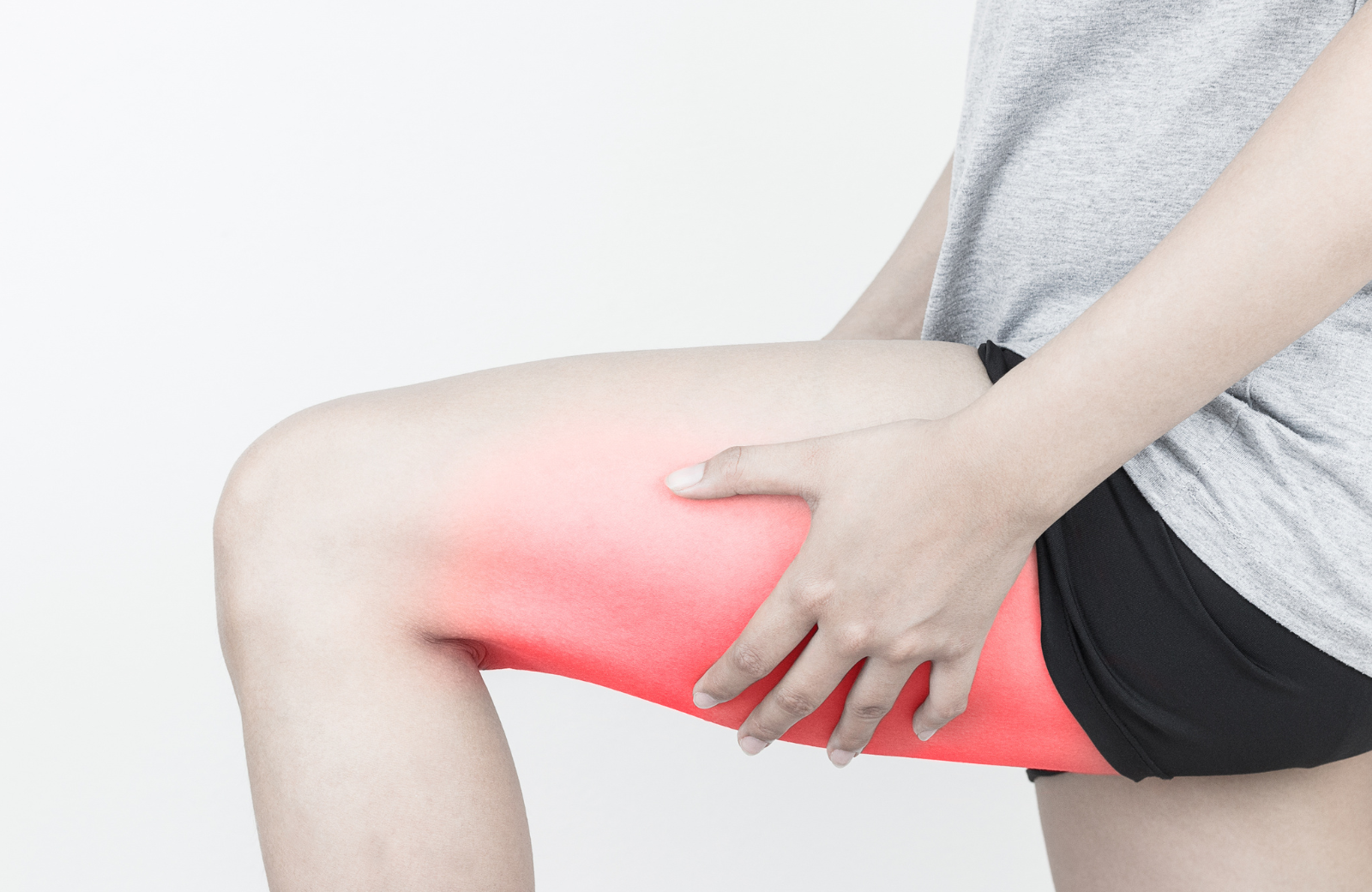
Doctors grade hamstring strains by how much muscle is torn. Knowing your grade helps you set a realistic timeline instead of guessing.
| Grade | What It Means | Typical Signs |
|---|---|---|
| Grade 1 | Mild strain with minimal tearing | Tightness, mild pain, near normal strength |
| Grade 2 | Moderate strain with a partial tear | Sharper pain, some strength loss, possible bruising |
| Grade 3 | Severe strain or complete tear | A pop, heavy bruising, major weakness, trouble walking |
What Causes a Pulled Hamstring in Runners?
A pulled hamstring happens when the muscle is pushed past what it can handle, often at high speed. The back of your thigh works hardest right as your foot reaches forward before it strikes the ground.
The Sprinting Trap
Fast running loads the hamstring while it is lengthening, which is the most vulnerable moment. As OrthoInfo from the American Academy of Orthopaedic Surgeons explains, the hamstrings lengthen and take on body weight during sprinting, and that combination of stretch and load is what tears the muscle.
Muscle Imbalance and Fatigue
When your quads greatly out muscle your hamstrings, the back of the thigh can fatigue and fail first. Tired muscles absorb less force, so late in a hard workout your risk climbs.
Skipping the Warm Up
Cold, tight muscles do not tolerate sudden speed well. A rushed start with no build up leaves your hamstrings unprepared for the forces of fast running.
Ramping Up Too Fast
Adding speed work, hills, or mileage too quickly is a common trigger. Your hamstrings need a gradual build to handle the sharp demands of sprinting and surging.
How Do You Treat a Pulled Hamstring?

You treat a pulled hamstring by calming the injury early, then rebuilding strength and length in stages. Rushing any phase is the fastest way to end up hurt again.
The First Few Days
Early care follows the familiar RICE approach of rest, ice, compression, and elevation. This calms swelling and protects the healing muscle while the worst of the pain settles.
Getting Moving Again
Gentle, pain free motion beats total rest once the sharp pain eases. Light walking and easy range of motion work keep the tissue healthy and prevent stiffness.
The Role of Physical Therapy
Guided rehab is where a pulled hamstring turns the corner. OrthoInfo notes that a therapy program starts with flexibility, then adds strengthening as healing allows, which is exactly how we structure recovery.
- Gentle range of motion to restore normal movement.
- Progressive strengthening that includes lengthening loads for the hamstring.
- Hip and core work so your stride shares the load.
- Gradual speed and running drills before a full return.
Our running injury rehab team builds each stage around your grade and your goals, so you come back ready rather than rushed.
How Long Does a Pulled Hamstring Take to Heal?
Healing time depends heavily on how much muscle is torn. A mild strain can settle in a week or two, while a serious tear can take several months of patient work.
| Grade | General Timeline | Recovery Focus |
|---|---|---|
| Grade 1 | Around 1 to 3 weeks | Calm symptoms, restore motion, light strengthening |
| Grade 2 | Around 4 to 8 weeks | Progressive strength and running drills |
| Grade 3 | Several months | Guided rehab, sometimes surgical care |
Cleveland Clinic notes that a grade 1 injury may need less than a week to feel better, while grade 2 and grade 3 injuries can take up to several months. Your own timeline hinges on the severity and how closely you follow your plan.
How Do You Come Back Without Reinjuring It?
You return safely by making sure the hamstring is strong and pain free at speed, not just at rest. Reinjury is common when runners rush back before the muscle is truly ready.
Rebuild True Strength First
Your hamstring needs to handle load while it lengthens before you sprint again. Exercises that strengthen the muscle in a lengthened position build the durability that protects you.
Reintroduce Speed Gradually
Add faster running in careful steps rather than all at once. Strides, tempo work, and short accelerations let your hamstring adapt to speed before you open up fully.
Listen to Warning Signs
Tightness or a pull that returns is a signal to back off, not push on. Catching a flare early keeps a small setback from becoming a full reinjury.
How Can You Prevent a Pulled Hamstring?
You prevent a pulled hamstring by keeping the muscle strong, flexible, and ready for speed. A little consistent work goes a long way toward keeping the back of your thigh healthy.
Strengthen for Sprinting
Regular hamstring strengthening is your best defense against a strain. Focus on movements that load the muscle as it lengthens, since that is where injuries happen.
Balance Your Legs
Build the hamstrings and glutes so they keep pace with strong quads. Balanced legs share the workload and lower the chance of the hamstring failing first.
Warm Up With Purpose
Ease into speed with an active warm up before hard efforts. A few minutes of building intensity prepares your hamstrings for the demands ahead. Our running injury rehab team can design a prevention routine that fits your training.
When Should You See a Physical Therapist for a Pulled Hamstring?
See a physical therapist when the injury is more than mild, keeps returning, or is slow to improve. Skilled guidance shortens recovery and lowers your reinjury risk.
Signs You Should Not Wait
- You heard or felt a pop at the moment of injury.
- You have heavy bruising or major weakness in the leg.
- Walking is painful or difficult.
- The strain keeps coming back each time you resume running.
What Skilled Care Adds
A running focused therapist builds a plan around your grade, your stride, and your goals. We make sure your hamstring is truly ready before you get back to full speed.
How Do You Know Your Hamstring Is Ready to Run Again?

Your hamstring is ready when it feels strong and pain free through a full range, not just when the soreness fades. Runners who wait for real strength come back far more reliably than those who chase the calendar.
Strength Matches the Other Side
Your injured leg should push and hold close to the strength of your healthy leg. A large gap between sides is a sign the muscle still needs more time and work.
Speed Feels Comfortable
Light strides and easy accelerations should feel smooth without any grab or pull. When faster running stays comfortable, you have a green light to build from there.
Daily Life Is Pain Free
Sitting, walking, and stairs should all feel normal before you add speed. Lingering pain in everyday movement means the tissue is still healing underneath.
What Are the Best Exercises for a Pulled Hamstring?
The best exercises meet your hamstring where it is in healing and build it back in careful stages. We start gentle and progress toward the lengthening loads that protect you at speed.
Early Stage Movement
Begin with easy motion that does not provoke pain. Gentle range of motion and light muscle holds wake the tissue up without straining it further.
Building Real Strength
Once the muscle tolerates more, we load it in ways that mirror running demands. Progressive strength work is what turns a fragile hamstring into a resilient one.
- Bridges and hip hinges to load the hamstring safely.
- Hamstring curls that progress from light to challenging.
- Single leg work to fix side to side differences.
- Exercises that load the muscle as it lengthens for durability at speed.
Getting Ready to Run
As strength returns, we add running drills and controlled speed. This bridge from the gym to the track makes sure your hamstring is truly ready for real running.
How Do You Stay Fit While Your Hamstring Heals?
You hold onto your fitness by training everything that does not stress the healing muscle. A short break from running does not have to mean lost fitness.
Low Impact Cardio
Cycling, swimming, and pool running keep your heart strong without straining the hamstring. Many runners keep a solid aerobic base through a few weeks of smart cross training.
Upper Body and Core
Your recovery time is a great window to build a stronger core and upper body. A steady trunk supports better running form once you return to the roads and trails.
Fuel and Sleep
Muscle repairs while you rest and eat well, so your daily habits matter. Good sleep and enough protein give your hamstring the raw materials it needs to heal.
Pulled Hamstring Versus Other Causes of Back of Thigh Pain
Not every ache in the back of your leg is a pulled hamstring. Telling these apart helps you choose the right path forward and avoid wasted weeks.
Hamstring Tendinopathy
Pain high near the sit bone that builds slowly often points to tendinopathy rather than a sudden strain. This overuse issue tends to ache with sitting and needs its own loading plan.
Referred Pain From the Back
Sometimes back of thigh pain comes from the lower back or an irritated nerve, not the muscle itself. Tingling, numbness, or pain that travels can be a clue that the true source sits higher up.
Cramps and Simple Tightness
A cramp or general tightness can mimic a strain but usually eases quickly. A real strain leaves lasting tenderness and often weakness that a simple cramp does not.
Frequently Asked Questions About a Pulled Hamstring
Should I stretch a pulled hamstring?
Aggressive stretching early on can irritate a healing muscle and slow you down. Gentle, pain free motion is fine, but leave deep stretching until your therapist says the tissue is ready.
Can I still run with a pulled hamstring?
Running through a fresh hamstring strain usually makes it worse and raises your reinjury risk. Most runners recover faster by resting from running early, then returning through a guided progression.
How do I know if my pulled hamstring is serious?
A pop at the time of injury, heavy bruising, major weakness, or trouble walking all point to a more serious tear. If you notice these signs, get it assessed rather than waiting it out.
Is heat or ice better for a pulled hamstring?
Ice is the better choice in the first few days to calm swelling and pain. Heat can help later to loosen tightness before gentle activity once the acute phase has passed.
Why does my hamstring keep getting pulled?
Repeat strains usually mean the muscle was not fully rehabbed before returning to speed. Weakness, poor length, and a rushed comeback set the stage for the injury to return.
Do I need surgery for a pulled hamstring?
Most hamstring strains heal well without surgery through rest and rehab. Surgery is reserved for severe cases where the tendon pulls completely away from the bone.
Get Back to Running With a Strong, Healthy Hamstring
A pulled hamstring does not have to steal your season or your goals. With the right plan, you can heal well and come back more resilient than before.
Why Runners Trust Us
We are runners who treat runners, and we chase the root cause instead of a quick fix. Our approach rebuilds you stronger than ever, without pills, surgery, or endless rest.
Your Next Step
We would love to help you heal your hamstring and return to running with confidence. Start with a free Discovery Visit or ask to Speak With a PT so we can map your comeback.
Call us today at (970) 500.3427 or reach out through our contact page to book your visit. Let us help you run stronger, longer, and pain free.