A calf strain is a tear in the muscle fibers at the back of your lower leg, and for runners it usually announces itself as a sudden sharp catch mid stride, often described as feeling like someone threw a rock at your calf. Most strains involve the inner head of the gastrocnemius, most heal well without surgery, and most take between two and eight weeks depending on how many fibers gave way.
The single biggest mistake runners make is resting until the pain leaves, then jumping straight back into the mileage they were running the week it happened. That approach is why so many calf strains repeat.
Your calf handles roughly six to eight times your body weight every stride you run. Rebuilding that capacity takes deliberate loading, not just time off.
Five Things To Do Today
- Stop running now, and walk only as far as you can go without limping.
- Ice for 15 minutes and wrap the calf with a compression sleeve for the first 48 hours.
- Add a small heel lift to both shoes to take tension off the healing fibers.
- Begin gentle ankle pumps within the first day to keep blood moving.
- Watch for calf swelling, redness, or warmth that keeps building, and get it evaluated promptly.
What Is a Calf Strain and Which Muscle Did You Actually Injure?
A calf strain is a tear in the gastrocnemius, the soleus, or occasionally the plantaris, and which one you injured changes both the timeline and the rehab plan. The gastrocnemius sits on top and crosses the knee, while the soleus lies underneath it and crosses only the ankle.
Gastrocnemius and Soleus Behave Very Differently
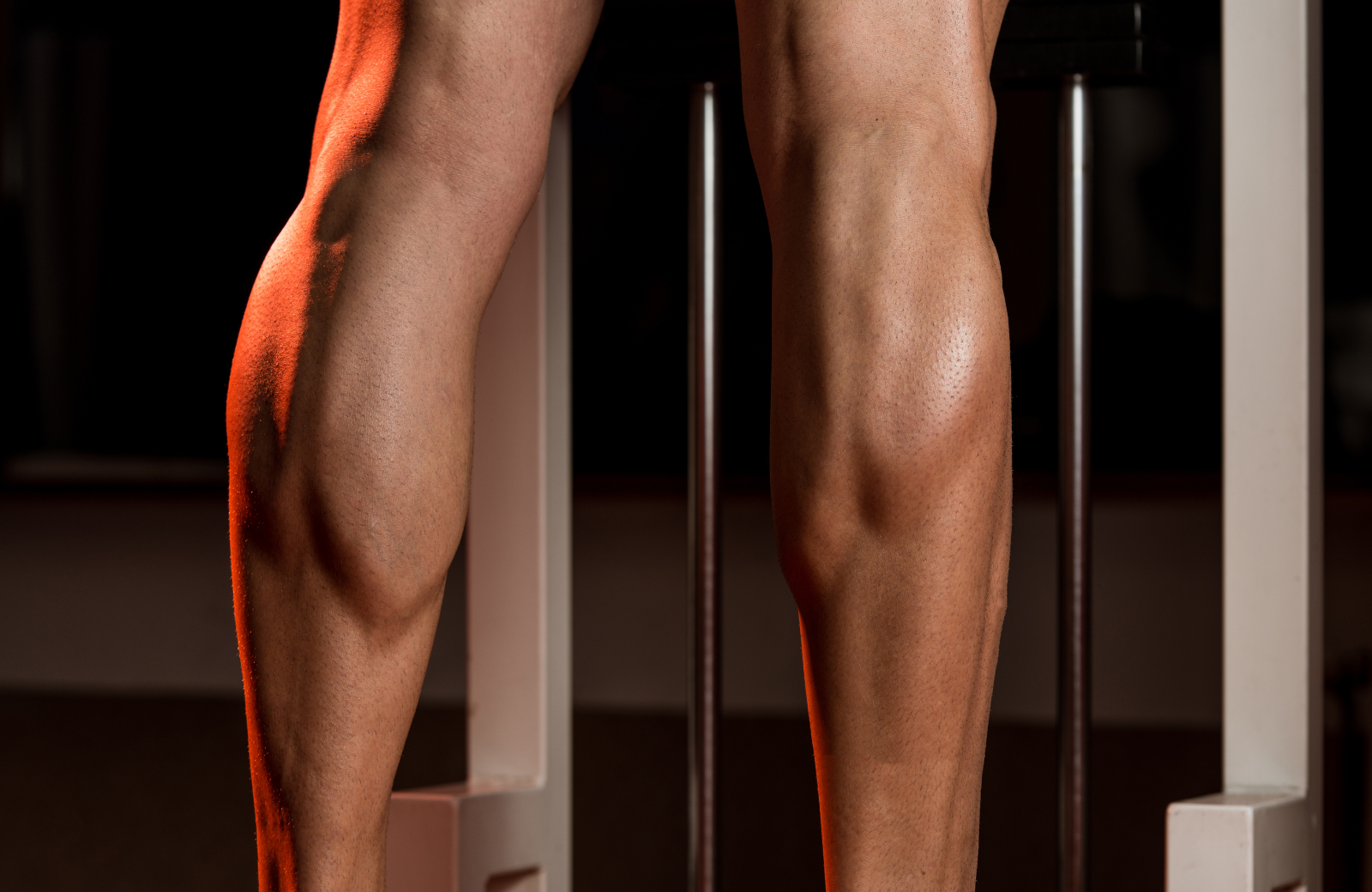
The gastrocnemius is the fast, powerful one. It fires hardest during sprinting, hill starts, and any moment where your knee straightens while your ankle bends upward.
The soleus is the endurance workhorse. It carries you through steady miles and tends to break down late in long runs rather than in one explosive moment.
| Feature | Gastrocnemius Strain | Soleus Strain |
|---|---|---|
| How it starts | Sudden, sharp, one identifiable moment | Gradual ache that builds over days or weeks |
| Where you feel it | Upper inner calf, often with visible bruising | Deeper and lower, closer to the Achilles |
| Pain with a straight knee heel raise | Sharp and obvious | Often mild |
| Pain with a bent knee heel raise | Usually much less | Clearly worse |
| Typical return to running | 3 to 8 weeks | 2 to 6 weeks, but easier to reaggravate |
That bent knee test is the fastest way to separate the two at home. Bending the knee takes the gastrocnemius out of the equation and puts the soleus on the spot.
Why The Medial Head Takes Most Of The Damage
The inner head of the gastrocnemius tears far more often than the outer head. According to the StatPearls review of gastrocnemius strain published by the National Library of Medicine, the muscle is vulnerable because it crosses three joints, and the medial head shows more muscular activity than the lateral head.
That same review describes the classic mechanism as maximal knee extension combined with full ankle dorsiflexion, which is exactly the position your back leg reaches at the end of a powerful push off.
Is This a Calf Strain or Your Achilles?
Calf strains hurt in the muscle belly, usually several inches above the heel. Achilles problems hurt in the cord itself, closer to the heel bone, and tend to feel stiff first thing in the morning rather than sharply painful during activity.
Squeeze the muscle belly, then squeeze the tendon. Whichever one reproduces your pain tells you where to focus.
Want To Know Exactly What You Injured?
We can tell you which muscle is involved and how long it will take in one visit. Call (970) 500.3427 or book a free Discovery Visit through our contact page.
What Causes a Calf Strain in Runners?
Calf strains happen when the muscle is asked to lengthen under load faster than its fibers can tolerate, and fatigue is almost always sitting in the background. The tear is the final event, not the whole story.
The Common Triggers
- Speed work or strides added after months of steady easy running
- Downhill running, where the calf absorbs load while lengthening
- Sudden acceleration, especially from a standing start
- Racing in low drop shoes after training in higher drop shoes
- Late miles of a long run when the calf is already fatigued
The Risk Factors Behind The Trigger
Age raises risk noticeably. The StatPearls review notes that gastrocnemius strain occurs most commonly in middle aged or older patients, which lines up with what we see in masters runners across Fort Collins.
Prior calf injury is the strongest single predictor of the next one. Scar tissue is stiffer than muscle, and stiff tissue transfers load to the fibers next to it.
Low calf strength and limited ankle mobility round out the list. If you cannot do 25 single leg heel raises, your calf is under built for distance running.
The Warning You Probably Ignored
Many runners feel a dull calf ache in the days before the tear. That same StatPearls review reports that roughly 20 percent of patients experience prodromal symptoms before the injury event.
A calf that feels tight and cranky for a week is asking for attention. Listening then is far cheaper than listening after the pop.
How Do You Know How Bad Your Calf Strain Is?
Calf strains are graded one through three based on how many fibers tore, and your ability to walk normally is the most useful home indicator. The more your gait changes, the higher the grade.
| Grade | Fibers Involved | What You Feel | Typical Return To Running |
|---|---|---|---|
| Grade 1 | Under 10 percent | Sharp twinge, you can usually keep walking normally | 1 to 3 weeks |
| Grade 2 | 10 to 50 percent | Cannot continue activity, limping, bruising within days | 4 to 8 weeks |
| Grade 3 | 50 to 100 percent | Palpable gap, severe swelling, very difficult to bear weight | 3 to 6 months |
Grade 1 strains often tempt you back too early because they feel manageable within days. Grade 2 strains are the most common in runners and the most commonly rushed.
Three Checks You Can Do At Home
First, walk 20 steps and watch whether your stride shortens on the injured side. Second, do a slow double leg heel raise and see whether you can hold the top position.
Third, gently squeeze along the calf from knee to heel and note whether you can feel a divot or gap in the muscle. A palpable gap warrants a same week evaluation.
What Should You Do In The First 72 Hours After a Calf Strain?
Protect the tissue, control the swelling, and start gentle movement early. Total immobilization for a week leaves you with a stiffer, weaker calf and a slower return.
The First Three Days
- Ice for 15 minutes every two to three hours while you are awake
- Wear a compression sleeve during the day to limit swelling
- Elevate the leg when you are sitting
- Add a 6 to 10 millimeter heel lift to both shoes so your hips stay level
- Walk short distances at a pain free pace rather than not at all
What To Skip Early On
Deep massage and heat both increase bleeding into a fresh tear, so hold off during the first few days. Aggressive calf stretching does the same thing to fibers that are trying to knit back together.
Anti inflammatory medication in the first 24 to 72 hours also gets a caution in the medical literature because of bleeding risk. Ask your physician before reaching for it.
Start Moving Sooner Than You Think
Gentle ankle pumps on day one keep circulation moving and reduce stiffness. Pain free isometric holds can usually start within two to four days.
Early controlled movement is not the same as early running. The goal is blood flow and gentle tension, not load.
Which Exercises Rebuild a Strained Calf?
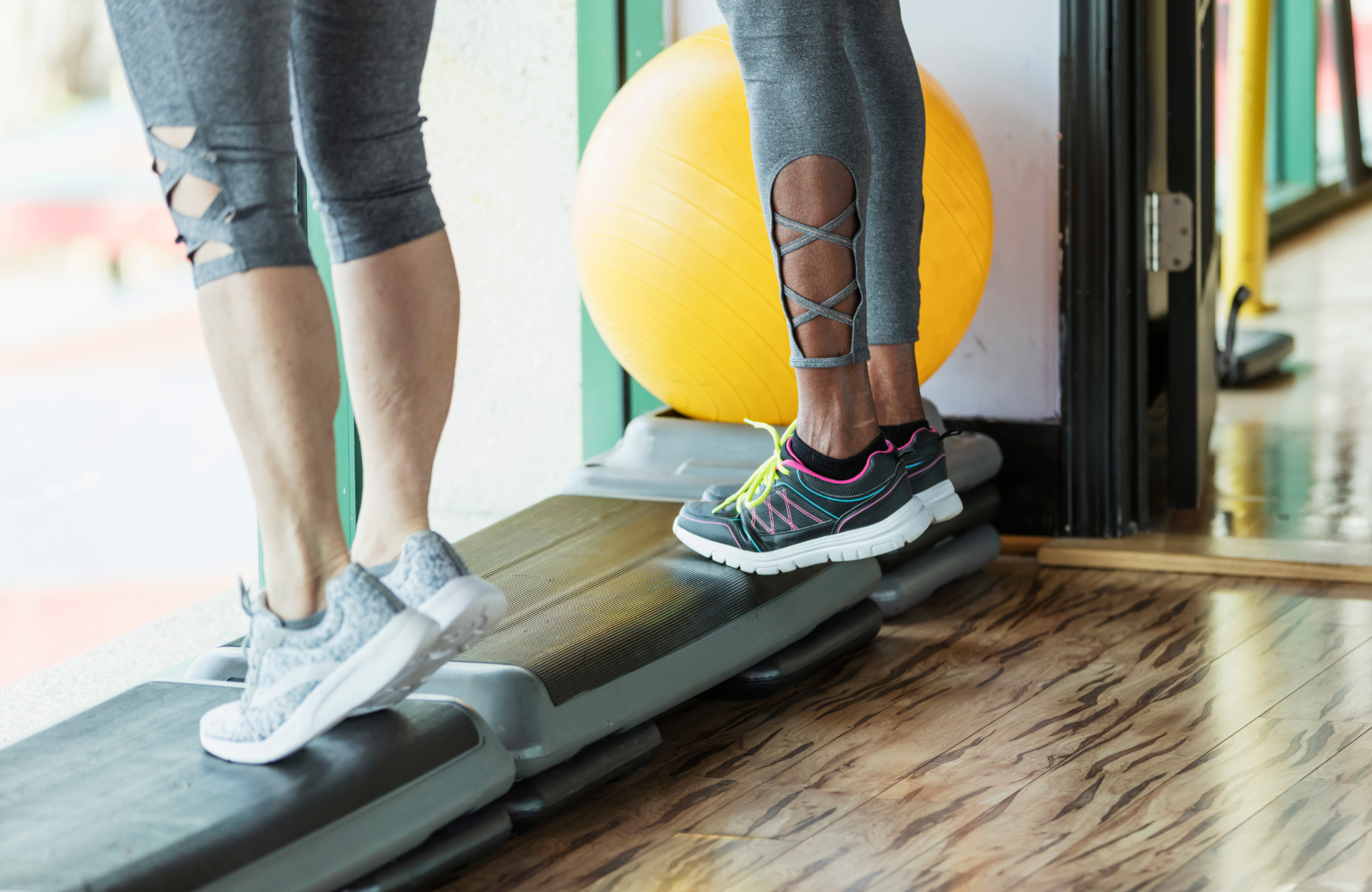
Muscle heals through progressive loading, meaning you gradually add tension until the tissue handles running forces again. Rest builds nothing.
Stage One: Gentle Tension
Begin with isometric calf holds. Push the ball of your foot into a wall or a band and hold for 30 seconds, five rounds, twice daily.
Add seated heel raises with light weight on your knee once the isometrics feel comfortable. Three sets of 15, slow up and slower down.
Stage Two: Build Strength Under Load
Progress to double leg standing heel raises, then to single leg. Work toward three sets of 15 single leg raises with full range, which is the benchmark most runners need before they return to real mileage.
Add bent knee heel raises to target the soleus directly. Runners skip these constantly, and the soleus carries more of your steady state running load than the gastrocnemius does.
Finish this stage with heavy slow calf work off a step, letting the heel drop below the step under control.
Stage Three: Prepare For Impact
Once single leg heel raises feel strong on both sides, begin pogo hops for 30 seconds. Progress to single leg hopping, then to short accelerations on grass.
Only after hopping is comfortable should you reintroduce running. Skipping this bridge is the most reliable way to tear the same fibers again.
How Long Does a Calf Strain Take To Heal?
Grade 1 calf strains typically allow a return to easy running in one to three weeks, grade 2 strains take four to eight weeks, and grade 3 tears can take three to six months. Prognosis overall is good, and the StatPearls review confirms that most patients recover well with conservative management.
| Phase | Typical Timing | Milestone To Hit | Focus |
|---|---|---|---|
| Protect | Day 1 to 5 | Walking without a limp | Compression, heel lift, isometrics, ankle pumps |
| Restore | Week 1 to 3 | Pain free double leg heel raises | Seated and standing calf work, gentle mobility |
| Strengthen | Week 2 to 6 | 15 single leg heel raises, both knee positions | Heavy slow loading, soleus specific work |
| Impact | Week 4 to 8 | Pain free single leg hopping | Plyometrics, strides, walk and run intervals |
| Return | Week 6 to 12 | Full mileage with no next day soreness | Gradual volume, then hills and speed last |
These windows overlap on purpose. Your calf follows milestones, not the calendar.
When Can You Start Running Again After a Calf Strain?
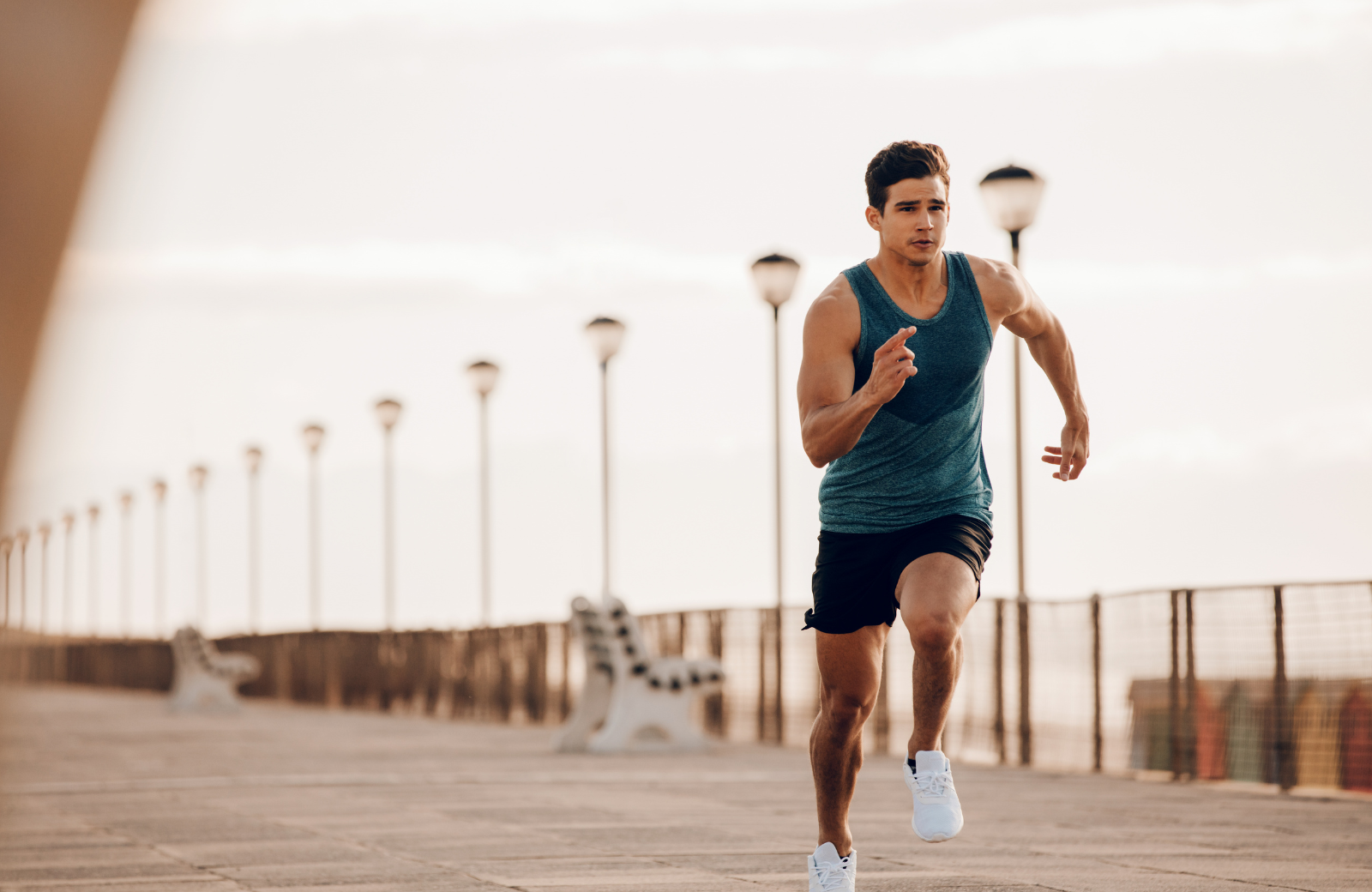
You are ready to run when you can walk normally, complete 15 single leg heel raises with full range, and hop on the injured leg without pain. Missing any one of those means the tissue is not ready.
A Sensible First Two Weeks Back
- Start with one minute of running and one minute of walking, repeated 10 times
- Run only on flat, even surfaces at an easy conversational effort
- Run every other day so you can judge the next morning response
- Increase running intervals only when the previous session causes no next day soreness
- Hold off on hills and speed work until you are back to continuous easy running
The Rule That Protects You
If calf soreness is worse the morning after a run than it was before, the previous run was too much. Repeat that session rather than progressing.
Downhill running deserves special caution. Add it last, since lengthening under load is the exact mechanism that caused the strain.
Why Do Calf Strains Keep Coming Back?
Reinjury usually happens because the calf regained comfort but never regained capacity. Pain is a poor measure of readiness.
Stopping Rehab At The Wrong Moment
Most runners stop their calf work the week walking feels normal, which is weeks before the muscle is strong enough for running loads. Keep loading through the whole return, then keep two sessions a week going indefinitely.
Ignoring The Soleus
Straight knee heel raises alone leave the soleus underprepared. Since the soleus carries most of the load during steady running, that gap shows up as a fresh strain a few weeks in.
Coming Back To The Wrong Mileage
Returning at your pre injury volume treats healed tissue like trained tissue. Rebuild volume from where you are now, not from where you left off.
When Should You Get a Calf Strain Checked Out?
See a professional if you cannot bear weight, if you feel a gap in the muscle, or if calf swelling, redness, and warmth keep increasing rather than settling. That last combination deserves urgent attention.
The Reason To Take Swelling Seriously
Blood clots can mimic calf strains and can also occur alongside them. The StatPearls review cites a study of 141 patients with clinically diagnosed calf injuries in which 10 percent had deep vein thrombosis with no visible gastrocnemius damage at all.
That is not a reason to panic over ordinary soreness. It is a reason to get a calf that keeps swelling looked at rather than waiting it out.
Why Early Guidance Changes Your Season
Running injuries are common and the lower leg absorbs most of them. A 2023 overview of systematic reviews in Current Emergency and Hospital Medicine Reports found running injury prevalence ranging from 36 percent to 63.5 percent, with the knee, ankle and foot, and calf named as the most common sites.
Getting the grade and the plan right in week one is what keeps a three week problem from becoming a three month one.
Frequently Asked Questions
How do you know if a calf strain is serious?
The clearest warning signs are an inability to bear weight, a gap you can feel in the muscle, and swelling that keeps increasing after the first 48 hours. Severe bruising that spreads down toward the ankle also suggests a higher grade tear. Any of those signs warrants an evaluation within a few days.
Should you walk on a strained calf?
Walking short distances without limping is generally helpful because it maintains circulation and prevents stiffness. Walking far enough to change your stride is counterproductive. Let a normal gait be your limit rather than a step count.
Does a calf strain need a boot?
Most grade 1 and grade 2 calf strains do not require a boot, and a simple heel lift in both shoes usually does the job. Boots are reserved for severe tears or cases where walking without one is impossible. Prolonged boot use weakens the calf you are trying to rebuild.
Why does my calf keep cramping after a strain?
Healing muscle is more sensitive and fatigues faster, so cramping during the return phase is common. It usually reflects a strength deficit rather than a hydration problem. Building calf endurance with higher repetition heel raises typically settles it.
Can you stretch a calf strain?
Aggressive stretching in the first week pulls on fibers that are trying to reconnect and can slow healing. Gentle pain free ankle motion is fine from day one. Meaningful mobility work belongs after the early healing phase, alongside strength.
Is a calf strain the same as tennis leg?
Tennis leg is the common name for a tear of the inner head of the gastrocnemius, so it is one specific type of calf strain. The name comes from the lunging serve position that produces the same mechanism runners create at push off. Treatment and timelines are the same.
How We Get Fort Collins Runners Back From a Calf Strain
We see this injury constantly, and we see the same pattern behind it. Runners rest, feel better, return to their old mileage, and tear the same fibers again six weeks later.
Our 3 Step Recovery Method
First we identify exactly which muscle you injured and how badly, because gastrocnemius and soleus strains need different plans. Second we calm the tissue while keeping you training in ways that protect your fitness.
Third we rebuild your calf until it handles more load than it did before the injury. That final step is what turns a recovery into a permanent fix.
One on One Care With a Doctor of Physical Therapy
Every appointment at our Fort Collins clinic runs start to finish with a Doctor of Physical Therapy. You get a real assessment, hands on care, and a plan built around your race calendar rather than a generic handout.
We work with runners throughout Fort Collins, Loveland, Windsor, Wellington, and Bellvue. Our program for injured runners exists because runners need answers that respect their training, not blanket advice to stop.
Stronger Without Pills, Surgery, or Rest
Nothing about calf strain recovery requires medication, a procedure, or an open ended break from the sport you love. Progressive loading and honest milestones do the work.
The runners who come back strongest are the ones who treat rehab as training rather than as waiting.
Ready To Run Again Without Guarding Your Calf?
Call us at (970) 500.3427 and we will help you figure out what happened and what comes next. You can also book a free Discovery Visit or ask about availability and cost through our contact page, and our team for injured runners will build your return plan.
Your calf can come back stronger than it was. We will show you how to get there without losing your season.