If you want to know how to get rid of shin splints, the short answer is that you calm the irritated tissue along your shin, fix the training or footwear mistake that caused it, then rebuild your lower legs so the pain stays gone. Most runners feel real relief within a few weeks when they lower the pounding, ice the sore area, and start smart strength work for the calves and hips.
Shin splints happen when the muscles and the lining of your shin bone get overloaded faster than they can recover. That soreness along the inner edge of your lower leg is your body asking for a smarter plan, not a signal to quit running for good.
Do This Today to Start Calming Shin Splints
Here are the first moves that take pressure off your shins right now.
- Cut your running volume by about half and swap in low-impact cardio like cycling or pool running.
- Ice the sore inner shin for 15 to 20 minutes after activity, with a towel between the ice and your skin.
- Check your shoes and replace any pair with more than 400 miles on them.
- Add two easy calf raise sets and one single-leg balance drill each day.
- Book a gait and strength assessment if the pain returns every time you run.
What Are Shin Splints, Exactly?
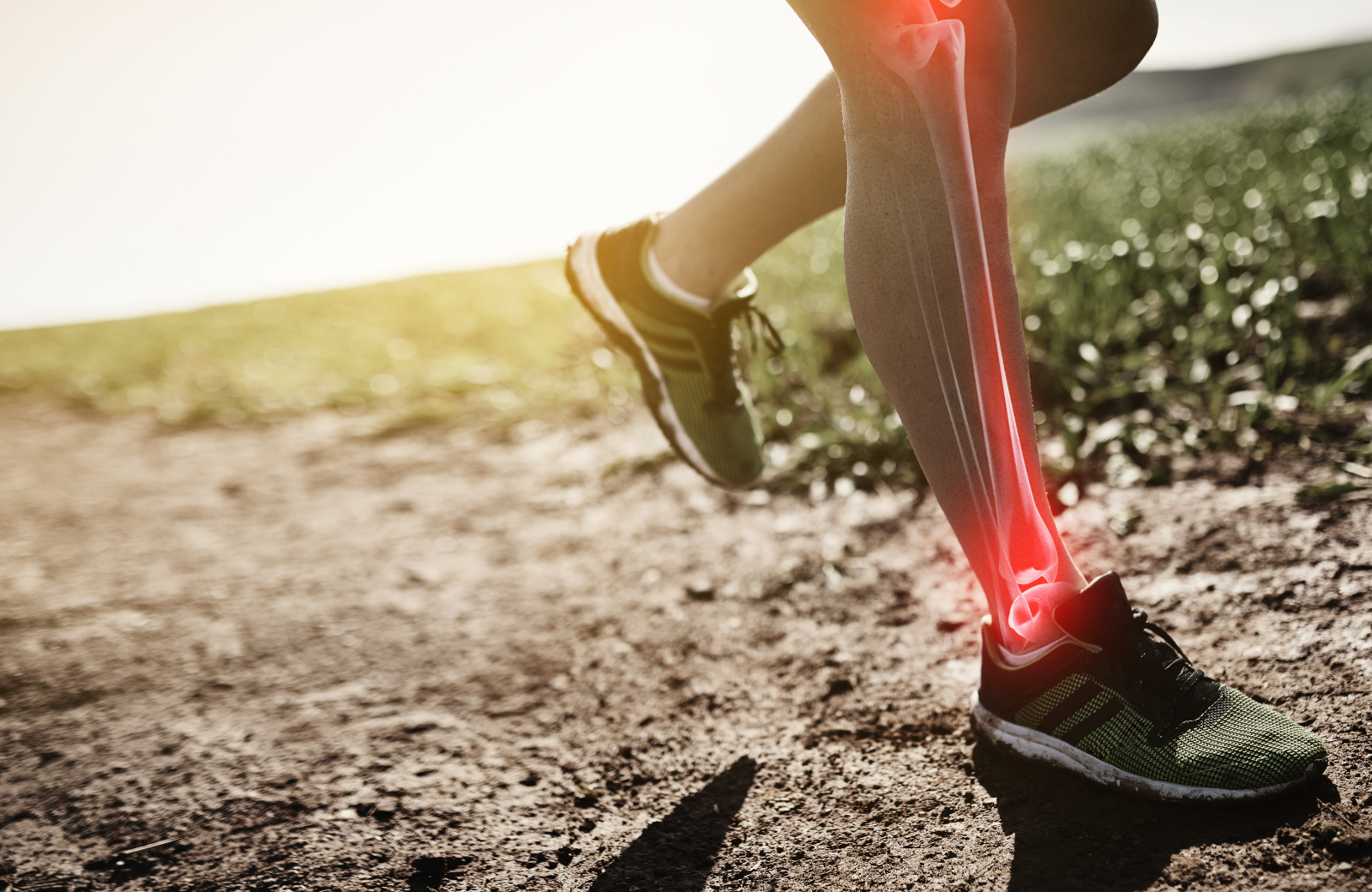
Shin splints describe pain along the inner or front edge of your shin bone, usually from repeated stress. Doctors call the most common form medial tibial stress syndrome, and it sits right where your calf muscles attach to the tibia.
Where You Feel the Pain
Most runners feel a dull ache along the lower two-thirds of the inner shin. The area can feel tender to the touch, and it often warms up during a run before flaring again afterward.
Early on, the ache may fade once you are warm and then return that evening. Left alone, the pain tends to show up sooner in each run and stick around longer once you stop.
How Common This Really Is
You are far from alone if your shins hurt. A review in the journal Cureus reports that overuse injuries like shin splints can affect up to 70 percent of runners over a single year, and that shin pain accounts for 10 to 20 percent of all running injuries.
Shin Splints Versus a Stress Fracture
Shin splints spread across a broad area, while a stress fracture usually hurts in one sharp, pinpoint spot. This difference matters, because a missed stress fracture can sideline you for months.
| Sign | Shin Splints | Stress Fracture |
|---|---|---|
| Pain location | Spread along several inches of shin | One small, pinpoint spot |
| Pain timing | Warms up during a run, aches after | Sharp with impact, can hurt at rest |
| Response to rest | Eases within days to a couple weeks | Lingers and needs longer offloading |
| Hop test | Uncomfortable but tolerable | Sharp, focused pain |
| Next step | Load management and strength work | Medical imaging and guided recovery |
What Causes Shin Splints in Runners?
Shin splints come from doing too much, too soon, on legs that are not ready yet. The tissue along your tibia takes on more load than it can repair between runs.
Training Errors
Sudden jumps in mileage, pace, or hills are the usual trigger. The same Cureus review notes that training errors are behind roughly half of all running injuries, so your calendar often matters more than your form.
A big race on the horizon tempts many runners to pile on miles fast. Your heart and lungs adapt quickly, yet bone and connective tissue need more patient loading to keep up.
Footwear and Surfaces
Worn-out shoes lose their cushioning and let more shock reach your shins. Hard or slanted surfaces add to that load, especially when you run the same route every day.
Fort Collins runners often mix concrete paths, canal trails, and road shoulders in a single week. That variety is great, but it also means your legs face different demands that your body has to be ready for.
Strength and Mechanics
Weak calves, hips, and feet let your shin absorb stress it was never built to handle. Poor shock absorption up the chain sends more force straight into the tibia with every stride.
Body and Anatomy Factors
Flat feet, high arches, and tight calves can all raise your risk. These traits do not doom you to shin pain, yet they do mean you need a smarter build-up than the average runner.
How Do You Get Rid of Shin Splints?
The way to get rid of shin splints is to calm the tissue first, then correct the cause so the pain does not return. Rest alone helps for a while, but the ache comes back fast if you never fix the underlying load problem.
Step One: Calm the Irritation
Lower your running load and lean on ice, gentle movement, and relative rest. According to OrthoInfo from the American Academy of Orthopaedic Surgeons, standard care includes several weeks of reduced activity, with low-impact options like swimming, cycling, or an elliptical during recovery.
Keep moving in ways that do not spike your pain. Total rest can feel tempting, yet gentle blood flow helps the area heal.
Step Two: Rebuild Your Lower Legs
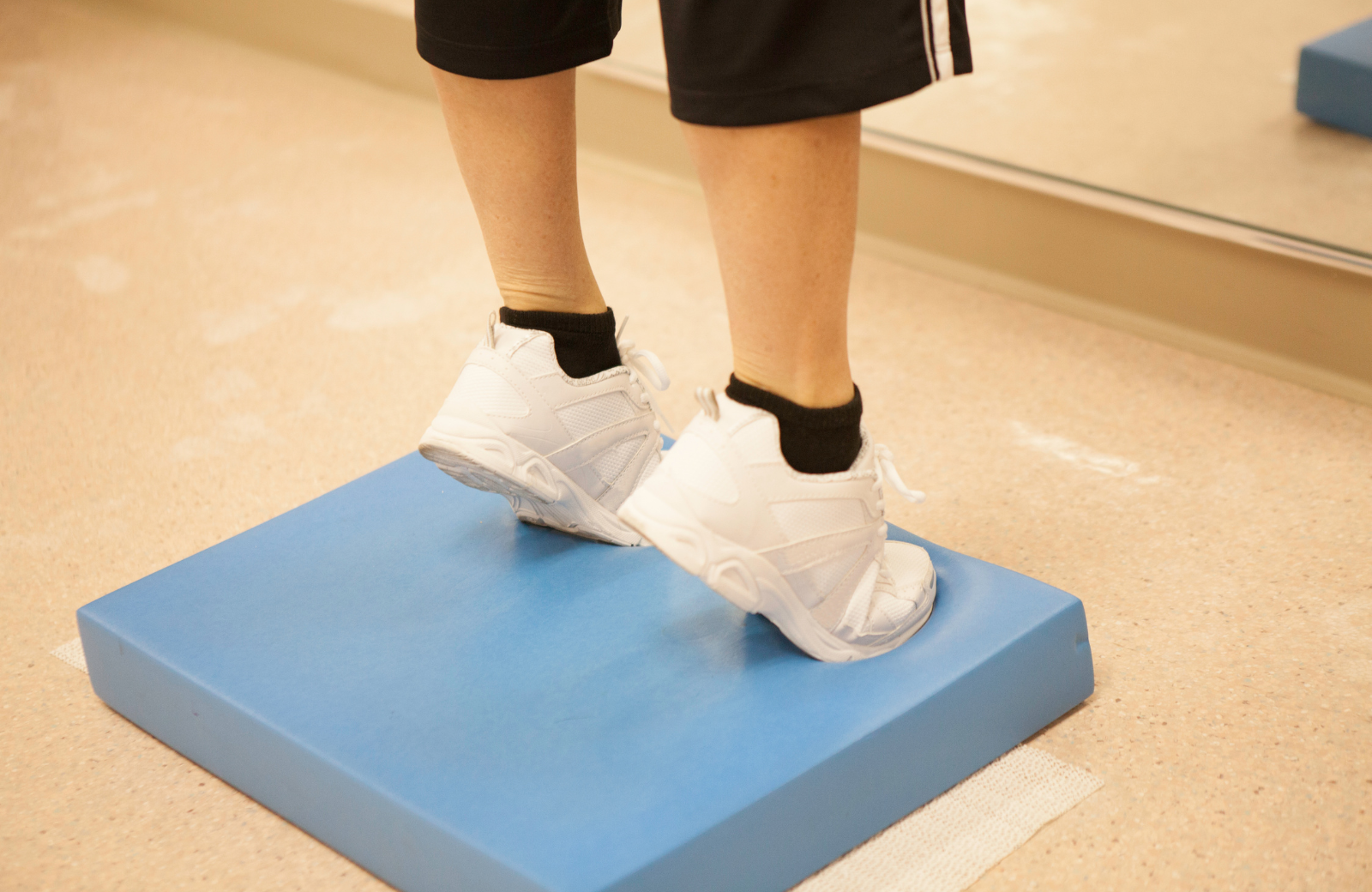
Strength is what keeps shin splints from coming back. We build your calves, feet, and hips so they share the load your shin has been carrying alone.
- Calf raises, both straight knee and bent knee, to load the soleus and gastrocnemius.
- Single-leg balance work to wake up the small stabilizers in your foot and ankle.
- Hip and glute strength so your stride absorbs shock higher up the chain.
- Toe and arch drills to support the muscles that attach along the shin.
Progress the load slowly and steadily over several weeks. Tissue gets stronger when you challenge it just enough, then give it time to adapt before the next push.
Step Three: Return to Running the Smart Way
Ease back in with short, easy runs once the sharp pain is gone. A common approach is walk-run intervals that add a little volume each week, so your tissue adapts instead of flaring.
This is exactly where guided care pays off. Our running injury rehab program maps out your return so you do not rush the timeline and start the whole cycle over.
How Long Do Shin Splints Take to Heal?
Most mild cases settle in 2 to 4 weeks once you lower the load and start rehab. More stubborn cases that have simmered for months can take 6 weeks or longer, especially if you keep running through the pain.
| Stage | Timeline | What You Focus On |
|---|---|---|
| Calm phase | Days 1 to 10 | Reduce load, ice, gentle mobility, low-impact cardio |
| Rebuild phase | Weeks 2 to 4 | Progressive calf, foot, and hip strengthening |
| Reload phase | Weeks 3 to 6 | Walk-run intervals and gradual mileage return |
| Prevention phase | Ongoing | Strength maintenance, smart mileage, fresh shoes |
Your timeline depends on how early you act. Runners who address the problem in the first week almost always recover faster than those who push through for a month.
How Do You Train Around Shin Splints While You Heal?
You keep your fitness by shifting to activities that spare your shins from pounding. Smart cross-training lets you hold onto your engine while the tissue settles down.
Low Impact Cardio Options
Pool running, cycling, and the elliptical keep your heart and legs working without the repeated impact. Many runners are surprised how well they hold their fitness through a couple weeks of cross training.
Strength and Mobility Days
Use your lighter weeks to sharpen the strength work that prevents the next flare. Calf, hip, and core sessions turn downtime into progress rather than lost ground.
Sleep, Fuel, and Recovery
Your tissue rebuilds while you rest and eat well, so recovery is part of the plan. Solid sleep and enough fuel give your body what it needs to repair the irritated shin.
Common Mistakes That Make Shin Splints Worse
Many runners stay stuck because they repeat the same few errors. Avoiding these can shave weeks off your recovery.
Running Straight Through the Pain
Pushing through sharp shin pain tells your body to keep breaking down tissue. A little discomfort in daily life is normal during healing, yet stabbing pain on the run is a clear stop sign.
Only Resting and Nothing Else
Rest calms the flare, but it does nothing to make your legs more durable. The pain returns the moment you resume your old mileage on the same unprepared legs.
Buying New Shoes and Calling It Fixed
Fresh shoes help, yet they are only one piece of the puzzle. Without strength work and smarter mileage, new shoes rarely solve a stubborn case on their own.
Ignoring the Hips and Core
Shin splints often start higher up the chain than you would think. Weak hips let your stride collapse, which loads the shin far more than it should on every step.
Do Orthotics, Taping, or Massage Help Shin Splints?
These tools can ease symptoms and support your recovery, but they work best alongside strength and load changes. Think of them as helpers, not cures.
Orthotics and Insoles
Supportive insoles can cut down shock and help runners with flat feet or heavy pronation. They are most useful when paired with the foot and calf strengthening that fixes the root cause.
Taping and Compression
Taping and compression sleeves can calm soreness and give your legs a sense of support during activity. They make runs more comfortable, though they do not replace a smart rehab plan.
Soft Tissue Work
Massage and calf release can loosen tight tissue and feel great after a run. Use these to support your training, not as the only thing standing between you and pain-free miles.
How Can You Prevent Shin Splints From Coming Back?
You prevent shin splints by respecting your body’s build-up limits and keeping your lower legs strong. Prevention is far easier than another month on the sideline.
Follow a Sensible Mileage Rule
Increase your weekly mileage in small steps rather than big leaps. Give your body a lighter week every few weeks so tissue can catch up and get stronger.
Keep Your Shoes and Surfaces in Check
Rotate fresh shoes and retire pairs before they break down. Mixing softer surfaces into your week can lower the repeated pounding on your shins.
Never Skip Strength Work
Two short strength sessions a week protect your shins better than any gadget. Strong calves and hips act like shock absorbers that keep force off the bone. Our running injury rehab team can build a routine that fits your schedule and your goals.
When Should You See a Physical Therapist for Shin Splints?
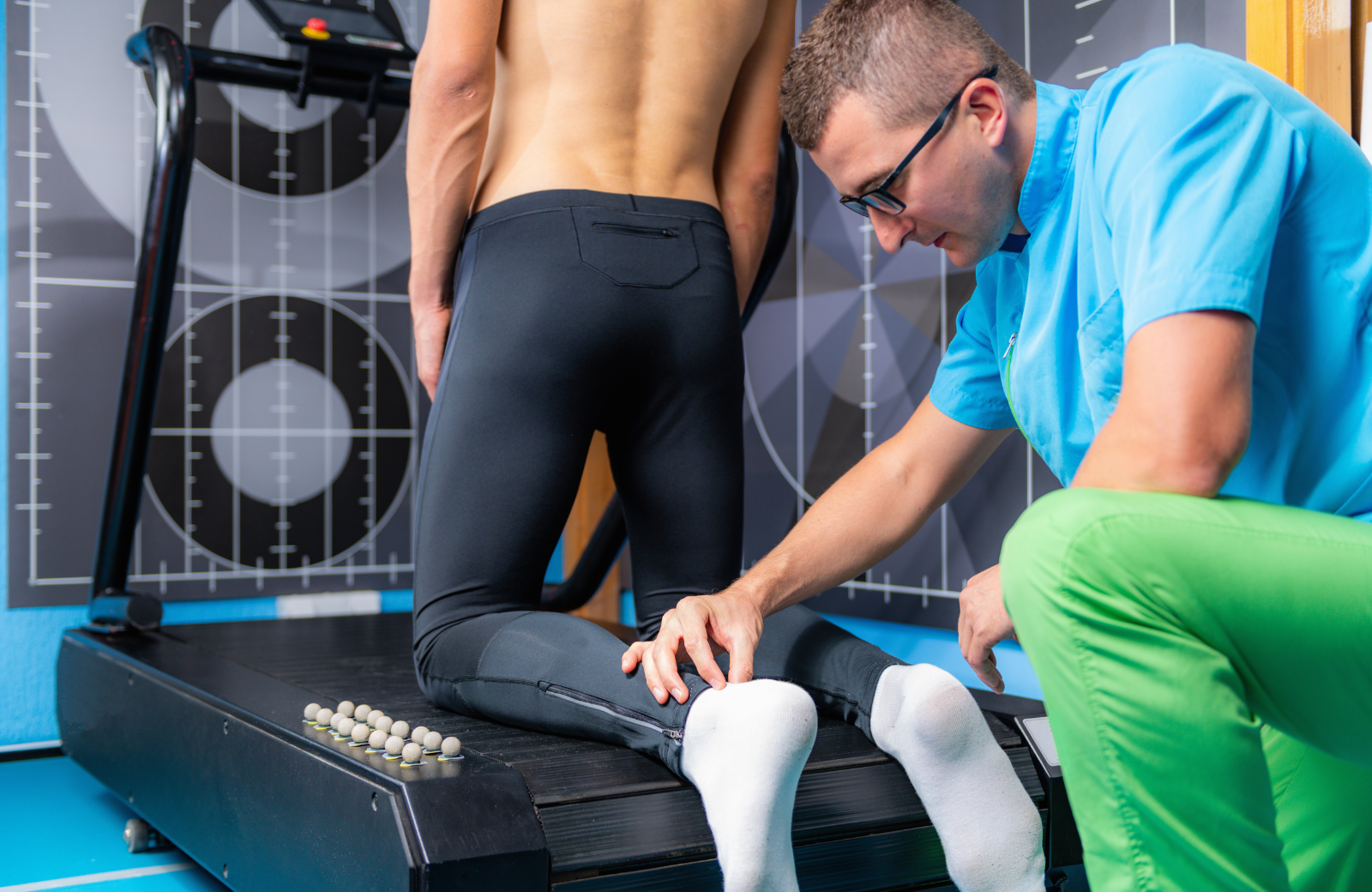
See a physical therapist when the pain keeps returning, worsens, or narrows to one sharp spot. Early guidance saves you weeks of guesswork and rules out a stress fracture hiding behind the ache.
Signs You Should Not Wait
- Pain that sharpens to a single pinpoint on the bone.
- Aching that shows up during rest or at night.
- Shin pain that comes back every single time you run.
- Swelling that does not settle with ice and reduced load.
What Skilled Care Adds
A running-focused physical therapist finds why your shins keep flaring, not just how to numb them. We look at your gait, your strength, and your training so the fix actually holds.
Frequently Asked Questions About Shin Splints
Can I keep running with shin splints?
You can sometimes run at a much lower volume if the pain stays mild and does not sharpen. Most runners heal faster by swapping some runs for low-impact cardio for a couple of weeks, then easing back in.
What is the fastest way to get rid of shin splints?
The fastest path is to lower your running load right away, ice the area, and begin targeted calf and hip strengthening within the first week. Acting early is the single biggest factor in a quick recovery.
Do compression sleeves help shin splints?
Compression sleeves can ease soreness and support the muscles during activity. They help you feel better, yet they do not replace load management and strength work that fix the real cause.
Are shin splints a sign of a stress fracture?
Shin splints and stress fractures share a location but differ in pain pattern. Broad, spread-out soreness usually points to shin splints, while sharp pinpoint pain that lingers at rest deserves a medical check.
Why do my shin splints keep coming back?
Recurring shin splints almost always mean the cause was never fixed. Weak calves and hips, worn shoes, or mileage jumps bring the pain right back once you resume normal training.
Will stretching cure my shin splints?
Stretching your calves can ease tension and feels good, but stretching alone rarely resolves shin splints. Lasting relief comes from combining load management with progressive strengthening.
Get Back to Running Without Shin Pain
You do not have to accept shin splints as part of being a runner. With the right plan, you can calm the pain, rebuild your legs, and get back to the miles you love.
Why Runners Trust Us
We are runners who treat runners, and we care about the root cause instead of a quick patch. Our approach rebuilds you stronger than ever, without pills, surgery, or endless rest.
Your Next Step
We would love to help you sort out what is driving your shin pain and map a clear way back. Start with a free Discovery Visit or ask to Speak With a PT so we can point you in the right direction.
Call us today at (970) 500.3427 or reach out through our contact page to book your visit. Let us help you run stronger, longer, and pain-free.