Many people with a torn meniscus can recover without surgery through the right combination of activity modification, targeted exercise, and physical therapy. While not every meniscus tear heals on its own, conservative treatment is often effective for reducing pain, improving knee function, and helping you return to your normal activities. Recovery takes time, but supporting your body’s natural healing process can make a significant difference.
This guide explains how to heal a torn meniscus naturally, what treatments can help, and when it’s important to seek medical care. Whether you’re headed for the Coyote Ridge Trail or the Horsetooth Rock Trail Loop, our goal is to get you up and running again! So let’s look at practical, natural ways to ease the pain, reduce inflammation, and get you moving again, without rushing into surgery.
Key Takeaways:
- Seek medical care if symptoms persist or worsen.
- Some meniscus tears can heal without surgery.
- Rest, exercise, and physical therapy support recovery.
- Gradually returning to activity helps protect the knee.
- Not every meniscus tear heals naturally.
Meniscus Tears and Non-Surgical Treatment Options
Understanding how to heal a torn meniscus naturally starts with knowing what kind of tear you’re dealing with. Not all meniscus tears are the same, and not all of them require surgery.
In many cases, especially with smaller or degenerative meniscus tears, non-surgical treatment can reduce pain, restore knee function, and help you heal without surgery.
What Happens When You Tear Your Meniscus
The meniscus is cartilage in your knee joint that acts like a cushion between your thigh bone and shin bone. Each knee has two menisci—a medial meniscus on the inside and a lateral meniscus on the outside.
Meniscus tears happen either from acute trauma, like a twist during sports, or from degeneration over time. These tears can happen with other injuries too, like damage to the anterior cruciate ligament.
Common Symptoms of a Meniscus Tear
You might not always know right away that you’ve torn your meniscus. Symptoms often develop over time.
Here’s what you might notice:
- A popping sound or sensation when the injury happens
- Pain along the knee joint, especially when twisting
- Swelling in the affected area
- Limited ability to fully straighten or bend your knee
- Feeling like your knee “locks” or “catches”
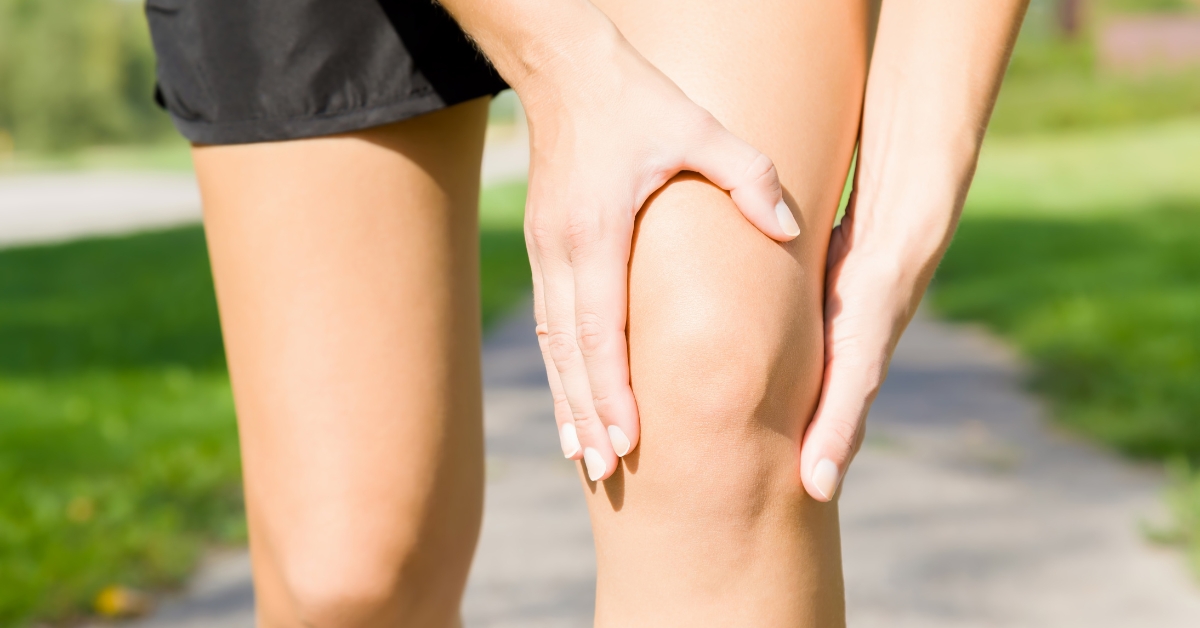
You may feel pain more with deep squats, sudden stops, or while bearing weight. These signs are often a cue to stop and get a physical examination.
When Non-Surgical Treatment Makes Sense
Most small or degenerative meniscus tears can heal without surgery, especially if the tear is in the outer third of the meniscus, where there is better blood supply (the red zone).
Here’s when non-surgical treatment is often a good choice:
- The tear is small or in the red zone
- The knee is stable, and you can bear weight
- You’re not dealing with a complex tear like a flap tear or bucket handle tear
- Your pain is manageable and not worsening
If your tear fits these conditions, your physical therapist can guide your recovery process with a custom plan.
Whether you’re running trails, lifting weights, or just want to walk without pain, you deserve a clear path forward. You don’t have to stay stuck in the cycle of pain and rest.
At Up and Running Physical Therapy, we work with you to build strength, correct movement, and support your meniscus tear recovery naturally.
Schedule your visit today at (970) 500-3427 or find out more to get started.

Physical Therapy for Meniscal Tears
Physical therapy is one of the most effective ways to support meniscus tear recovery. The goal is to reduce swelling, restore knee function, and strengthen the muscles that support the joint.
A physical therapist might guide you through:
- Range-of-motion exercises to keep the knee mobile
- Strengthening work for the hamstring muscles, core, and glute muscles
- Balance and stability training to protect the injured knee
- Gradual return to sport or activity with proper mechanics
Your program will likely include specific exercises to reduce pain and promote healing in the affected area. You’ll learn how to move safely without making the tear worse.
Tools and Techniques That Support Healing
Several non-surgical tools and methods can help you heal a torn meniscus naturally. These are usually part of your overall care plan.
Options might include:
- The RICE method (rest, ice, compression, elevation) to reduce swelling early on
- Mobility aids like crutches if needed
- A knee brace for added stability during early recovery
- Imaging tests like magnetic resonance imaging to monitor progress
- Platelet-rich plasma injections in some cases, to boost healing in the red zone
Your physical therapist or healthcare provider will help decide what’s right for your specific injury and tear type.
When Non-Surgical Care Isn’t Enough
Some severe meniscus tears, especially those in the white zone (with limited blood supply), may not heal naturally. If you’ve tried conservative care but still feel pain or the knee keeps locking, surgery might be necessary.
Meniscus repair or arthroscopic surgery may be recommended when:
- The tear is large or complex
- There’s damage to other structures, like the ACL
- You’ve lost knee function or stability
- Pain persists or worsens after non-surgical care
Even then, physical therapy is a vital part of recovery both before and after surgery. Your path to healing still involves movement, strength, and consistent care.
Understanding your knee injury, getting the right physical examination, and staying active in your recovery process can make all the difference.
Non-surgical treatment options are often highly effective for many types of meniscus tears, and a sports physical therapist can walk you through exactly how to heal a torn meniscus naturally.

Up and Running Physical Therapy: Helping You Heal Naturally
At Up and Running Physical Therapy in Fort Collins, we help you get back to doing what you love—without surgery, endless rest, or unnecessary medications.
If you’re dealing with knee pain or a torn meniscus, our approach focuses on addressing the true source of the problem.
We work with runners, active individuals, and athletes who want long-term solutions that actually restore strength, stability, and movement.
Why Our Approach to Knee Pain Works
You don’t just get cookie-cutter treatment here. Your knee injury is unique, and so is your path to healing.
We look at:
- How your entire body moves, not just the affected knee
- Muscle imbalances and poor mechanics that place stress on the knee joint
- Strength in the surrounding areas like glutes, hamstrings, and core
- Walking, running, and movement patterns that may need correcting
By understanding the full picture, we help you move in ways that support your body’s natural healing process.
What to Expect From Your Recovery Plan
Your recovery begins with a full evaluation. We don’t just treat symptoms—we find the actual cause of your knee pain.
From there, your plan includes:
- Personalized mobility and strength exercises
- Hands-on treatment when needed
- Education about your specific injury and how to heal it naturally
- Return-to-activity guidance so you can move with confidence again
We help you avoid surgery unless it’s absolutely necessary. The goal is real, lasting results—not temporary relief.

Get Back to the Life You Love
Whether you’re running trails, lifting weights, or just want to walk without pain, you deserve a clear path forward. You don’t have to stay stuck in the cycle of pain and rest.
Let’s work together to build strength, correct movement, and support your meniscus tear recovery naturally.Schedule your visit today at (970) 500-3427 or find out more to get started.
How to Heal a Torn Meniscus Naturally FAQs
Can a torn meniscus heal naturally without surgery?
Yes, some torn meniscus tears can heal naturally without surgery. Smaller tears in the outer part of the meniscus, where there is a better blood supply, often respond well to rest, physical therapy, and gradual rehabilitation. Larger or more complex tears may require surgery.
How long does it take for a torn meniscus to heal naturally?
Recovery time depends on the severity and location of the tear. Many people improve within 6 to 12 weeks with conservative treatment, although larger tears or persistent symptoms may take longer to heal.
What exercises help heal a torn meniscus naturally?
Gentle strengthening and mobility exercises can support meniscus healing and improve knee function. A physical therapist may recommend exercises that strengthen the quadriceps, hamstrings, glutes, and core while protecting the injured knee during recovery.
What activities should I avoid with a torn meniscus?
Avoid activities that increase knee pain or place excessive stress on the joint. Deep squats, twisting movements, pivoting, jumping, and high-impact sports can worsen symptoms or delay healing until your knee has recovered.
Can physical therapy help a torn meniscus heal naturally?
Yes. Physical therapy is one of the most effective non-surgical treatments for many meniscus tears. A personalized rehabilitation program can reduce pain, improve strength and mobility, and help you return to your normal activities safely.