You feel that sharp, nagging ache in the back of your heel every time you run, and you are tired of pretending it is nothing. Achilles tendon pain from running can turn your favorite trail, track, or neighborhood loop into something you start to dread instead of look forward to.
Maybe it loosens up a bit once you get moving, so you push through and hope it will sort itself out. Then the next morning you step out of bed and that first step sends a jolt up your leg, and you know it is not just normal soreness anymore.
If you are an active adult or athlete, pain like this does more than slow you down.
It messes with your routine, your goals, and even your mood, because running or training is how you clear your head and feel like yourself.
In this blog, we walk through what is actually going on with your Achilles, why it keeps flaring up when you run, and what a smart, performance focused plan looks like.
Clear, practical ideas can help you move away from guessing and toward confident, pain free running again.
Understanding Achilles Tendon Pain From Running
Achilles pain rarely shows up out of nowhere. It usually gives you a few early warning signs first.
You might notice things like:
- Stiffness or tightness in the back of your heel when you get out of bed.
- A sore, burning, or aching spot right above your heel bone or higher on the tendon.
- Pain when you start a run that eases as you warm up, then comes back later.
- Tenderness when you press on the tendon with your fingers.
- Tight calves that never seem to loosen fully, even after stretching.
For many runners and active adults, the pattern looks very familiar. You feel fine at the start of a run, a little niggle shows up, you ignore it, and then the soreness after your workout keeps growing from week to week.
There are also a few red flag signs that mean you should stop and get checked right away.
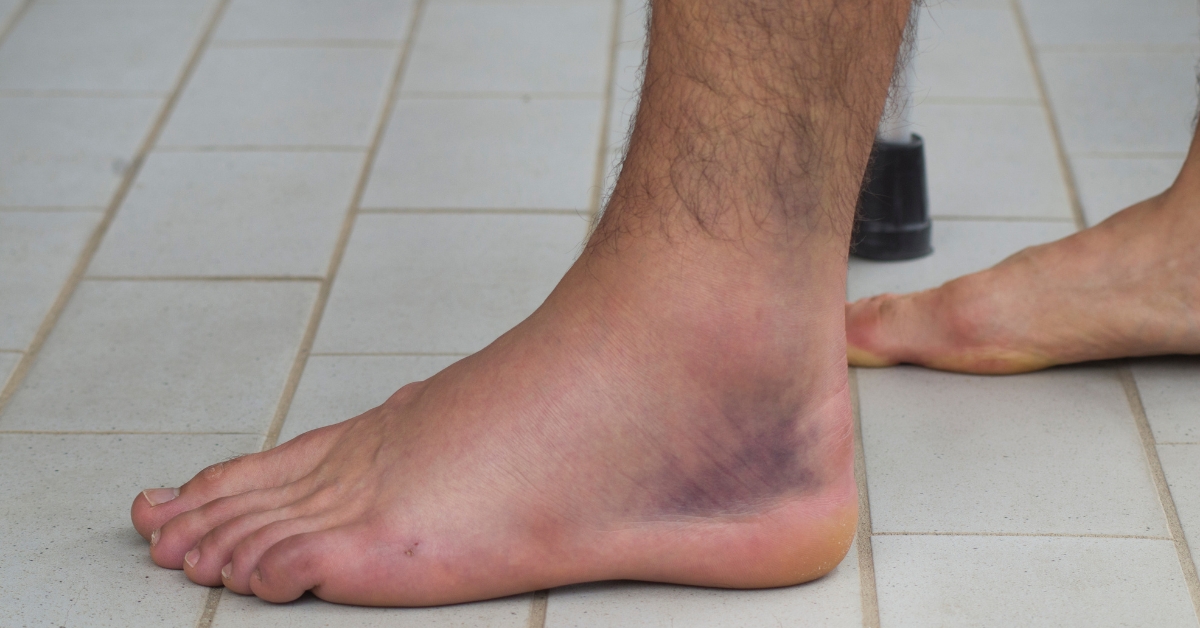
These include sudden, sharp pain in the back of your lower leg or heel, a pop or snap you feel or hear in the tendon, trouble pushing off the ground or standing on your toes, and swelling or a visible gap in the tendon.
Those signs can point to a more serious injury, like a partial or full tear, and need prompt attention. For most people though, Achilles pain builds slowly and starts as a nagging overuse issue that simply will not let go.
Why Runners And Active Adults Get Achilles Pain
Achilles tendon pain is almost always about load. In simple terms, something about how you train or move asks your tendon to handle more stress than it is ready for.
Some of the most common factors include training errors, such as:
- Jumping mileage too fast.
- Adding speed work or hills too quickly.
- Stacking hard workouts without recovery days.
- Returning from time off and trying to pick up where you left off.
Footwear can also play a big role. Running in very worn out shoes, switching shoe models or heel drops too quickly, or training in the wrong type of shoe for how you move can all increase strain on the Achilles.
Strength and mobility gaps matter as well.
Calf weakness, especially on single leg tasks, stiff ankles that limit how your foot moves when it hits the ground, and limited hip strength or control that changes your stride can all push more load into the tendon.
For aging athletes, there is another layer. Tendons do not recover from load as quickly in your thirties, forties, and fifties as they did in your teens and twenties.
You can absolutely keep running and stay competitive, but your body needs a smarter approach to balance stress and recovery. If you climb, lift, or play recreational sports on top of running, the total demand on your Achilles climbs even more, and that stacked stress adds up.
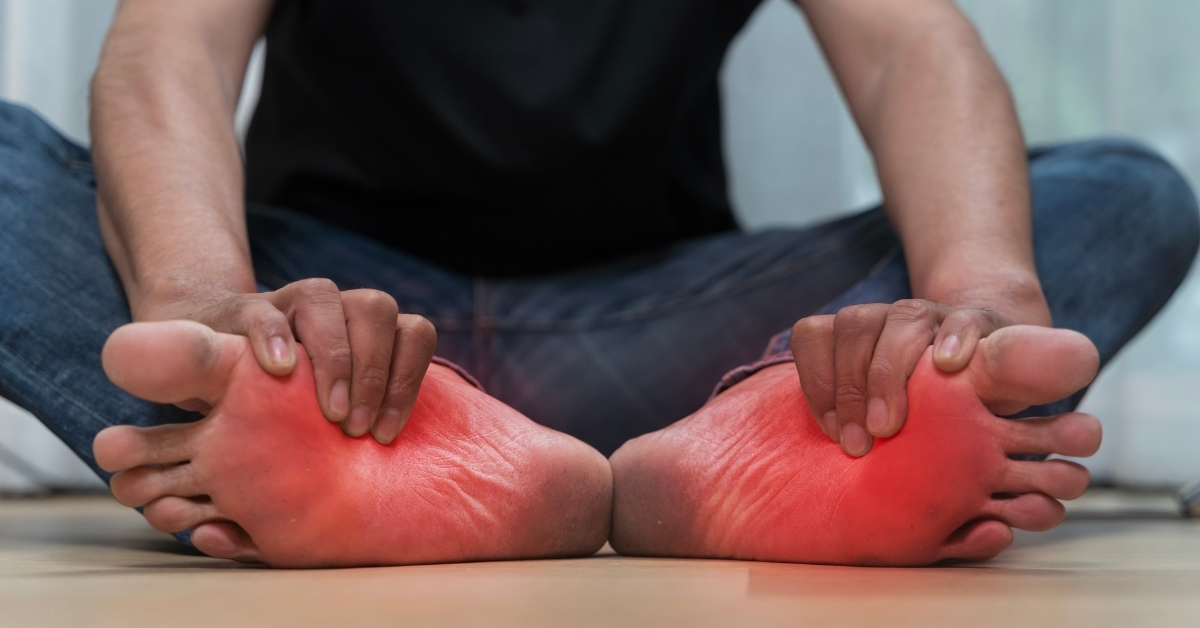
Tendonitis Vs Tendinopathy: What Is Really Going On
You hear a lot of different words for Achilles pain. Achilles tendonitis, tendinopathy, tendon overload, and even Achilles strain all show up in conversations and online.
Tendonitis means inflammation of the tendon, and this used to be the default label for almost any tendon pain.
Tendinopathy is a broader term that fits better for most active adults, and it describes a tendon that has been overloaded repeatedly and has started to change and become irritated.
With tendinopathy, the tendon itself is not ruined. It is more like a coiled rope that has been asked to hold a heavy load day after day without enough recovery or proper training.
This is why rest alone rarely fixes the issue. If you stop running completely, the pain might ease, but the tendon does not build the strength and capacity it needs for your sport.
When you jump back in, the same problem often returns, sometimes even stronger than before. Pain relief tools like ice, pills, and massage can help you feel better, but they do not teach the tendon how to handle force again.
What your Achilles really needs is the right amount of load, at the right time, in the right way. That is where a structured, progressive plan makes a huge difference.
What Actually Works: Evidence Based Solutions For Achilles Tendon Pain
Step 1: Calm Things Down Without Completely Stopping
Most runners want to avoid the word rest, and that makes sense. You train because you love to move, and you do not want to lose all your hard earned fitness.
The good news is that you often do not need to stop everything. You just need to calm the tendon down enough so it can start to respond to strength and rehab work.
That usually involves smart adjustments like:
- Reducing weekly mileage for a short time.
- Swapping some runs for lower impact cardio such as biking, elliptical, or pool running.
- Avoiding steep hills and speed work while symptoms are flared.
- Trimming out explosive jumping drills that spike tendon load.
Sometimes simple tools help in this phase. You might use ice after activity for short term pain control, temporary heel lifts in your shoes to reduce strain on the tendon, or light taping around the ankle and heel for support and awareness.
The key idea is not do nothing. It is do what your tendon can handle today so it can do more tomorrow.
Step 2: Build Calf And Achilles Strength The Right Way
This is the part many people skip or rush. Tendons love load, but they hate surprise.
You want to give your Achilles clear, progressive challenges so it can rebuild capacity. That means more than a few random calf raises after a run.
A solid Achilles strength plan usually moves through stages like these.
Early isometrics for pain relief and basic strength can include static heel raise holds with bodyweight or a wall sit with heels slightly lifted. These drills can reduce pain for some people and wake up the tendon without too much motion.
Controlled heavy calf work is the next step. Straight knee calf raises target the gastrocnemius, bent knee calf raises hit the soleus which works hard when you run, and you then progress from two legs to one leg, from floor to step, and eventually add load.
Progressive loading over time is where real tendon changes occur. You increase resistance slowly with dumbbells, kettlebells, or a barbell, increase time under tension by using slow lowers and controlled tempo, and add more challenging angles or surfaces as the tendon tolerates load.
Common mistakes include staying in light, high repetition work and never getting to heavier, challenging loads, stopping the exercises as soon as the pain calms down, or jumping back into full training without a bridge between rehab and sport. Tendon changes take time, so it helps to think in weeks and months, not days.
The goal is not just to make the tendon feel better for one run. The goal is to build a stronger, more resilient Achilles that actually supports the pace, mileage, or vertical gain you have in mind.
Step 3: Fix Running Form And Training Habits
Your form and training habits play a big role in how much stress lands on your Achilles. You do not need a perfect stride, but small tweaks can shift load in a big way.
Some simple form ideas that often help include:
- Slightly increasing your cadence so you take more steps per minute.
- Avoiding heavy over striding where your foot lands far in front of your body.
- Keeping your posture tall and relaxed instead of leaned way back or slumped.
You do not have to obsess over specific foot strike labels. What matters more is how your whole leg and body move together.
Alongside form tweaks, you want a smart return to run structure.
A simple framework often includes walk run intervals that gradually favor more running and less walking, short frequent runs instead of big occasional efforts, and a clear plan for when to hold, progress, or back off based on symptoms.
Weekly planning matters too, especially if you are an active adult with a full life. A typical Achilles friendly training week could include two to four runs that avoid stacked hard days, two focused strength sessions that include calf and lower body work, and at least one full rest or very light day for real recovery.
Small, consistent changes build momentum over time. With a thoughtful plan, you set your tendon up to succeed instead of guessing day by day.
If you feel stuck in that loop of run a little, flare up, rest, repeat, you are not broken. You just need a clear path and a plan that actually matches your goals.
At Up and Running Physical Therapy in Fort Collins, we help active adults, runners, climbers, weekend warriors, and aging athletes across Northern Colorado fix the real problem, not just chase symptoms.
We use a one to one, performance focused approach and a structured three step recovery method so your rehab matches your training style and the life you want to live.
You can start with a Free Discovery Call with a Doctor of Physical Therapy to discuss your goals and recovery plan. In that call, we listen to your story, talk through what is going on with your Achilles, and outline your next best steps, whether you work with us or not.
If you are ready to run, train, and explore without that constant heel ache in the back of your mind, reach out today. Call Up and Running Physical Therapy at (970) 500 3427 and take the first step toward confident, pain free running again.
What About Stretching, Massage, And Other Popular Fixes
Most people with Achilles pain go straight to stretching. The tendon feels tight, so it is natural to want to pull on it.
The problem is that a very irritated tendon often reacts poorly to deep, aggressive stretching. You might get temporary relief, but you can also make the tendon more irritable if you overdo it.
Gentle mobility can still have a place when used wisely. You might benefit from light calf stretching held for short periods, ankle mobility drills that target the joint and not just the tendon, and dynamic warm ups before you run instead of static stretches only.
Soft tissue work can also help you feel and move better, it just should not be your only strategy.
Common tools include foam rolling the calves and bottom of the foot, massage or manual therapy to ease tight muscles around the tendon, and massage guns used briefly on the calf and not right on the tendon.
What about braces, orthotics, injections, or surgery.
Orthotics may help if your foot mechanics place extra stress on the tendon, but they work best alongside strength training, and braces and night splints can sometimes ease symptoms, but they do not replace loading and rehab.
Injections and surgery are usually reserved for more severe or stubborn cases after a full rehab effort.
None of these options build tendon capacity on their own, so they might play a role in your plan, but they should support, not replace, an active, movement based approach.
How Performance Focused Physical Therapy Helps You Return To Running Strong
Why Generic Rehab Fails Active Adults And Athletes
If you have tried rehab before and felt underwhelmed, you are not alone. Active adults often get plans that do not match their goals or sport.
Common problems include being handed a sheet of generic ankle exercises and sent home, getting only passive treatments like heat, ice, or basic ultrasound with no real plan to load the tendon, or working with someone who does not understand running, strength training, or your specific activities.
Those approaches might help a bit in the short term, but they often fall short when you want to return to five kilometer races, trail runs, long hikes, or busy gym sessions.
There is a big difference between being out of pain in daily life and being ready to handle intervals, hills, or race day. Your Achilles needs a rehab plan that respects your identity as an athlete, not just as a patient.
A Three Step Recovery Method For Achilles Tendon Pain From Running
A clear, structured method keeps things from feeling random. You know what you are doing, why you are doing it, and what comes next.
A performance focused three step process often looks like this.
Step one is Assess. This is where you get the full picture of what your body is doing and what your Achilles is handling right now.
A good assessment looks at your pain history and training load, calf and lower body strength on each side, ankle mobility and control, and running mechanics or movement patterns that might load the tendon. You find the reasons behind your specific Achilles pain, so the plan targets real issues instead of guessing.
Step two is Rebuild. Next, you use what you learned in the assessment to create a focused plan that fits your life and your goals.
Rebuild work usually includes individualized calf and lower leg strengthening with clear targets, whole chain strength for hips, core, and feet to support better mechanics, and a reasoned plan to adjust running or sport volume while symptoms calm.
This is not a cookie cutter list pulled from a textbook, it is tailored to how you move, what you enjoy, and what you want to get back to.
Step three is Perform. Finally, you shift from basic rehab to performance and bridge the gap between pain free in controlled settings and confident on the road or trail.
This stage might include fine tuning your running form with video or real time feedback, building specific workouts that target your race or trail goals, and adding back hills, speed, or explosive work in a logical sequence.
Here the focus sits on what you want to do, not just what hurts, so you move from protecting the tendon to fully trusting it again.
What Working One To One With A Specialist Looks Like
When you work one to one with a specialist who understands runners and active adults, the process feels clearer and more focused.
You are not lost in a big room of people doing the same exercises.
A typical session might include checking in on how your Achilles feels during the week’s training, adjusting exercises on the spot based on symptoms and strength, coaching your technique on calf raises, squats, or running drills, and using hands on work when needed to help stiff or sore areas move better.
You have space to talk about your real life and goals, so travel, races, big hikes, or busy work weeks all factor into the plan.
Instead of guessing what to try next, you follow a clear path that respects your drive and your body.
You stay an athlete while you recover, and you set your Achilles up for long term success, not just a quick fix.
Stay Ahead Of Achilles Pain So You Can Keep Moving
Achilles tendon pain from running does not have to be something you just live with as you get older or busier.
With the right mix of smart training, targeted strength, and honest recovery, you protect your tendon and protect your identity as an athlete.
Think of Achilles care as part of your long term performance plan, not just an emergency tool when things go wrong. Simple habits make a real difference, such as keeping consistent calf and lower body strength work in your routine all year, progressing mileage and workouts gradually instead of chasing sudden jumps, doing quick self checks on morning stiffness and post run soreness, and respecting early warning signs instead of waiting for a full flare up.
When you build this kind of base, your Achilles handles more of what you ask from it.
You stay ready for races, long trail days, climbing trips, or that last minute yes to an adventurous weekend.
When It Is Time To Get Help
You can often calm down mild Achilles irritation with smart load management and basic strength work.
If pain improves over a couple of weeks and keeps trending in the right direction, self management can be enough.
It is time to get help when pain hangs around for several weeks with no real progress, when you keep cycling through better for a few days then worse again, or when you change your stride, limp, or avoid hills just to get through runs. It is also time when you feel nervous every time you push the pace or distance because you expect the tendon to flare up.
In those cases, waiting usually costs you more time and frustration.
A targeted plan lets you move forward instead of spinning your wheels.
Ready To Fix Your Achilles Tendon Pain From Running
If you feel stuck in that loop of run a little, flare up, rest, repeat, you are not broken. You just need a clear path and a plan that actually matches your goals.
At Up and Running Physical Therapy in Fort Collins, we help active adults, runners, climbers, weekend warriors, and aging athletes across Northern Colorado fix the real problem, not just chase symptoms.
We use a one to one, performance focused approach and a structured three step recovery method so your rehab matches your training style and the life you want to live.
You can start with a Free Discovery Call with a Doctor of Physical Therapy to discuss your goals and recovery plan. In that call, we listen to your story, talk through what is going on with your Achilles, and outline your next best steps, whether you work with us or not.
If you are ready to run, train, and explore without that constant heel ache in the back of your mind, reach out today. Call Up and Running Physical Therapy at (970) 500 3427 and take the first step toward confident, pain free running again.